22 Indian nationals, including 14 seafarers, killed during West Asia conflict: MEA
Source Entity
Shubhajit Roy
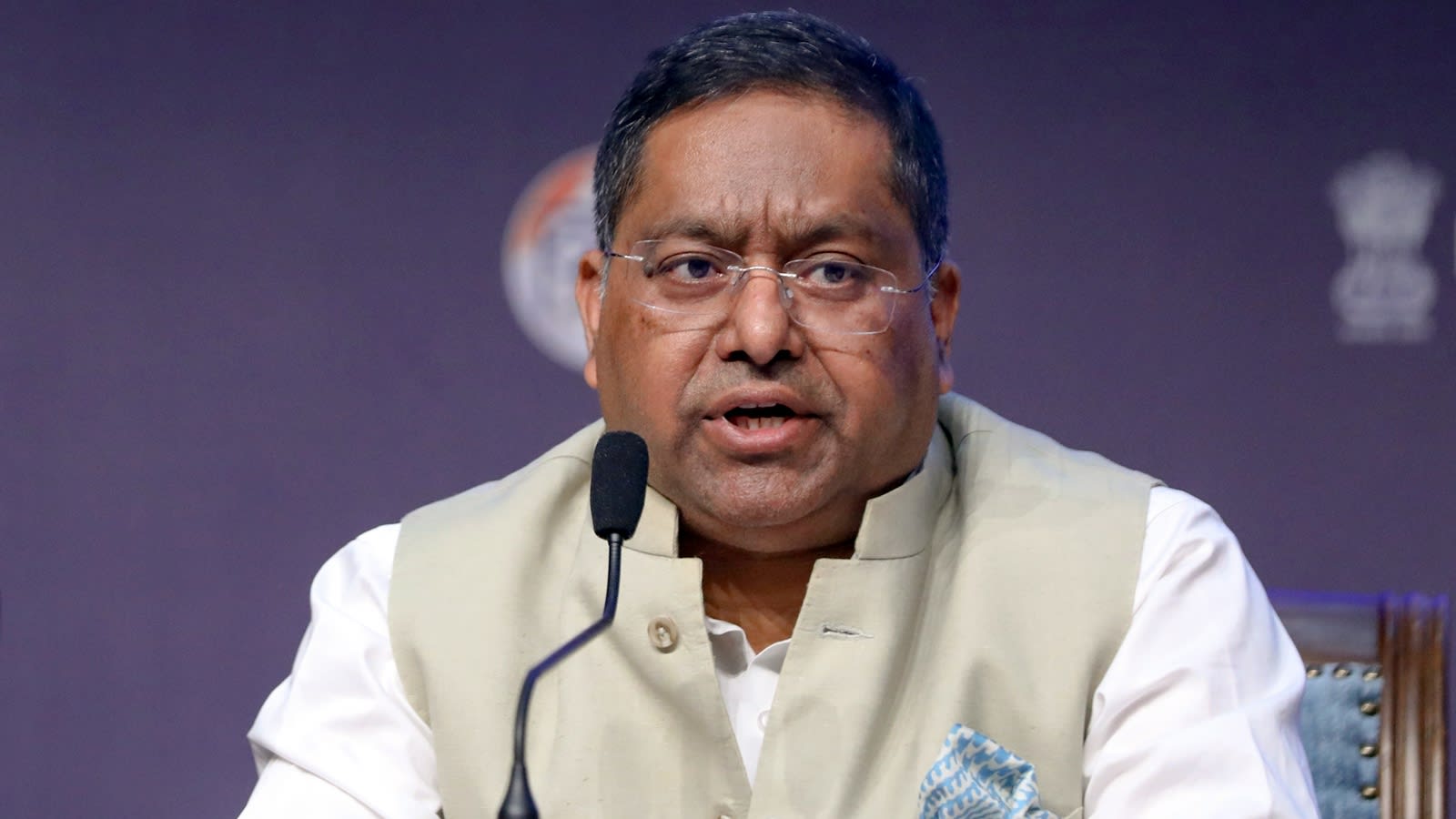
The Indian Ministry of External Affairs has reported that 22 Indian nationals, including 14 seafarers, have been killed in the ongoing West Asia conflict since February. The government continues to prioritize the safety and security of its citizens residing in the volatile region.
The Human Cost of West Asia Conflict: An Indian Perspective
Escalation and Casualties
The Ministry of External Affairs (MEA) has officially confirmed that 22 Indian nationals have lost their lives in the ongoing conflict in West Asia over the past eight months. This sobering figure, disclosed by MEA spokesperson Randhir Jaiswal, highlights the severe impact that regional instability has had on the Indian diaspora and maritime workers operating in the area. Among the deceased, 14 were identified as seafarers, underscoring the specific risks faced by those navigating commercial shipping routes through waters affected by hostilities.
The Vulnerability of Maritime Trade
The high proportion of seafarers among the casualties points to the precarious nature of global supply chains when caught in the crossfire of geopolitical tensions. Since the intensification of conflict in February, the maritime domain has become increasingly dangerous, with commercial vessels often finding themselves in the line of fire. These 14 individuals represent the human toll of the disruption to international shipping lanes, which are vital for global trade and energy security.
Regional Impact and Diplomatic Efforts
The conflict, which has seen wide-ranging military engagements involving regional actors, has created an environment of heightened unpredictability. Reports indicate that the fatalities are not limited to one specific locale, with recent incidents in Saudi Arabia further adding to the grim total. The Indian government has maintained that it is in close, constant communication with the Indian community across the Gulf region to monitor their safety, provide support, and ensure that all possible measures are taken to protect those remaining in the conflict zone.
Historical Context and Continued Vigilance
Since the outbreak of hostilities in late February, the Indian government has had to navigate a complex diplomatic landscape to protect its citizens. The death toll, which includes three individuals specifically noted in incidents within Saudi Arabia, illustrates the geographical spread of the conflict. The MEA’s commitment to staying in contact with the community reflects a broader strategy of consular protection in regions where Indian nationals are employed in critical sectors like shipping, energy, and construction.
Future Implications and Outlook
Looking ahead, the safety of the Indian diaspora in West Asia remains a primary foreign policy concern for New Delhi. As the conflict shows little sign of immediate resolution, the government faces the ongoing challenge of mitigating risks for its citizens. The focus remains on proactive engagement, monitoring the security situation in real-time, and maintaining robust communication channels with both the Indian community and regional authorities to prevent further loss of life during this protracted period of regional instability.