India's Rocket Launches Costliest Among Major Space Powers: Cambridge Study
Source Entity
NDTV News Search Records Found 1000
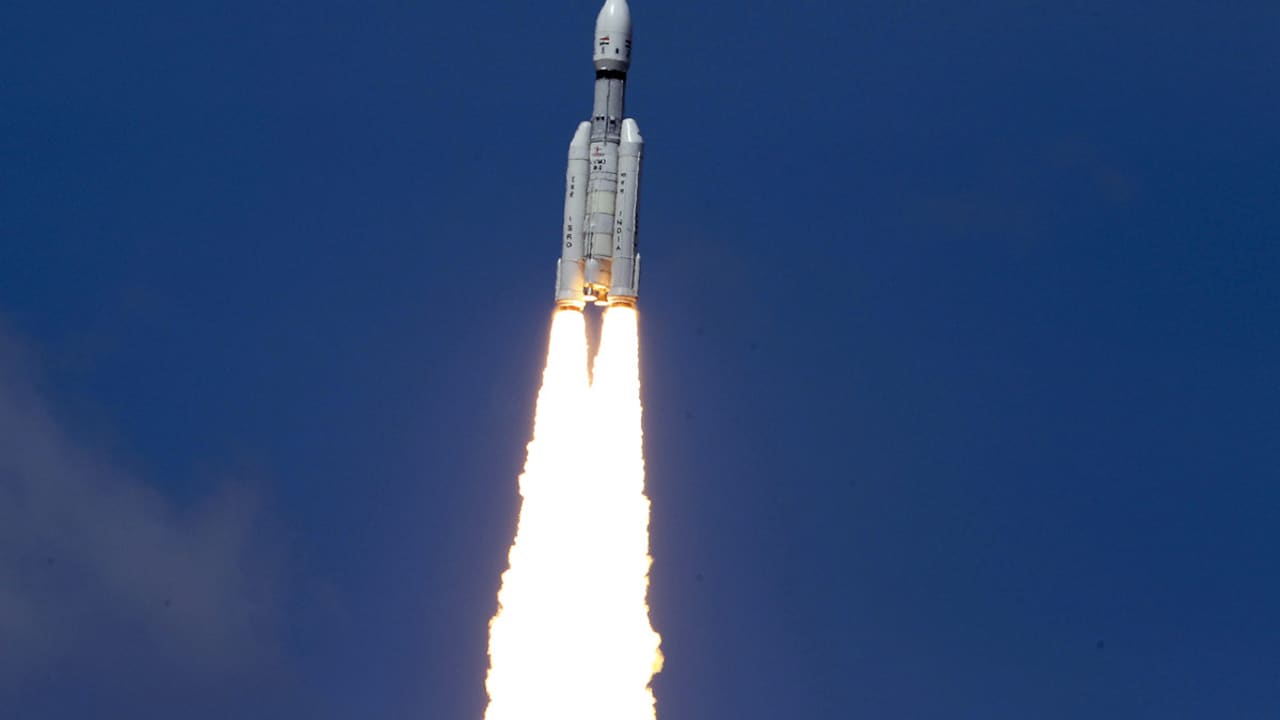
A Cambridge study suggests India's space missions are among the costliest relative to major space powers. This finding emerges as the Indian Space Research Organisation (ISRO) prepares for its first rocket mission of the year.
The Economics of Indian Space Exploration
Recent reports highlighting a Cambridge study have sparked a significant debate regarding the fiscal efficiency of the Indian Space Research Organisation (ISRO). While ISRO has historically been celebrated for its 'frugal engineering' and cost-effective missions—most notably the Mars Orbiter Mission—this new analysis challenges that narrative by benchmarking Indian rocket launch costs against other global space powers.
Understanding the Cost-Efficiency Paradox
The perception of ISRO as a low-cost provider has often been tied to its ability to achieve complex interplanetary goals on a fraction of the budget compared to NASA or the ESA. However, the Cambridge study suggests a more nuanced reality when looking specifically at rocket launch expenditures. This analysis forces a re-examination of how launch costs are calculated, potentially accounting for differences in labor markets, domestic supply chain integration, and the specific technological requirements of ISRO’s launch vehicle fleet.
Contextualizing the Current Launch Climate
This analytical critique comes at a sensitive time, as ISRO is currently in the preparatory phases for its first rocket mission of the year. The timing of this study suggests that as the global space economy shifts toward commercialization and reusable launch vehicles, India’s traditional cost models are being scrutinized under a more rigorous international lens. The pressure is mounting for ISRO to maintain its competitive edge while navigating the global transition toward private sector spaceflight.
Broader Implications for Global Space Competitiveness
If Indian launch costs are indeed higher than previously estimated, it could impact India's aspirations to capture a larger share of the global satellite launch market. The international space sector is witnessing a race to the bottom in terms of launch prices, driven by companies like SpaceX and the entry of various state-backed programs. For ISRO, this means that future mission planning must balance indigenous technological development with the economic realities of the modern, hyper-competitive space race.
Future Trends and Strategic Adjustments
Looking ahead, ISRO will likely need to pivot toward more aggressive cost-optimization strategies, such as increased focus on reusability and mass-production of launch components. The findings from the Cambridge study serve as a catalyst for a necessary internal audit of procurement and manufacturing processes. By addressing these economic challenges, ISRO can ensure that its upcoming missions—and future long-term programs—remain viable in an era where cost-efficiency is as critical as mission success.
Conclusion
In summary, while the Cambridge study presents a challenging view of ISRO’s current financial standing, it also provides a roadmap for future institutional reform. As ISRO moves forward with its first mission of the year, the organization stands at a crossroads: maintaining its legacy of scientific brilliance while adapting to the stringent economic demands of the 21st-century global space industry.
Verification Required?