At UN, India reminds Pakistan how Indian Army buried its Kargil soldiers with ‘military honours, Islamic rites’
Source Entity
Latest News: Todays Latest News Headlines from India & World | Hindustan Times | Hindustan Times
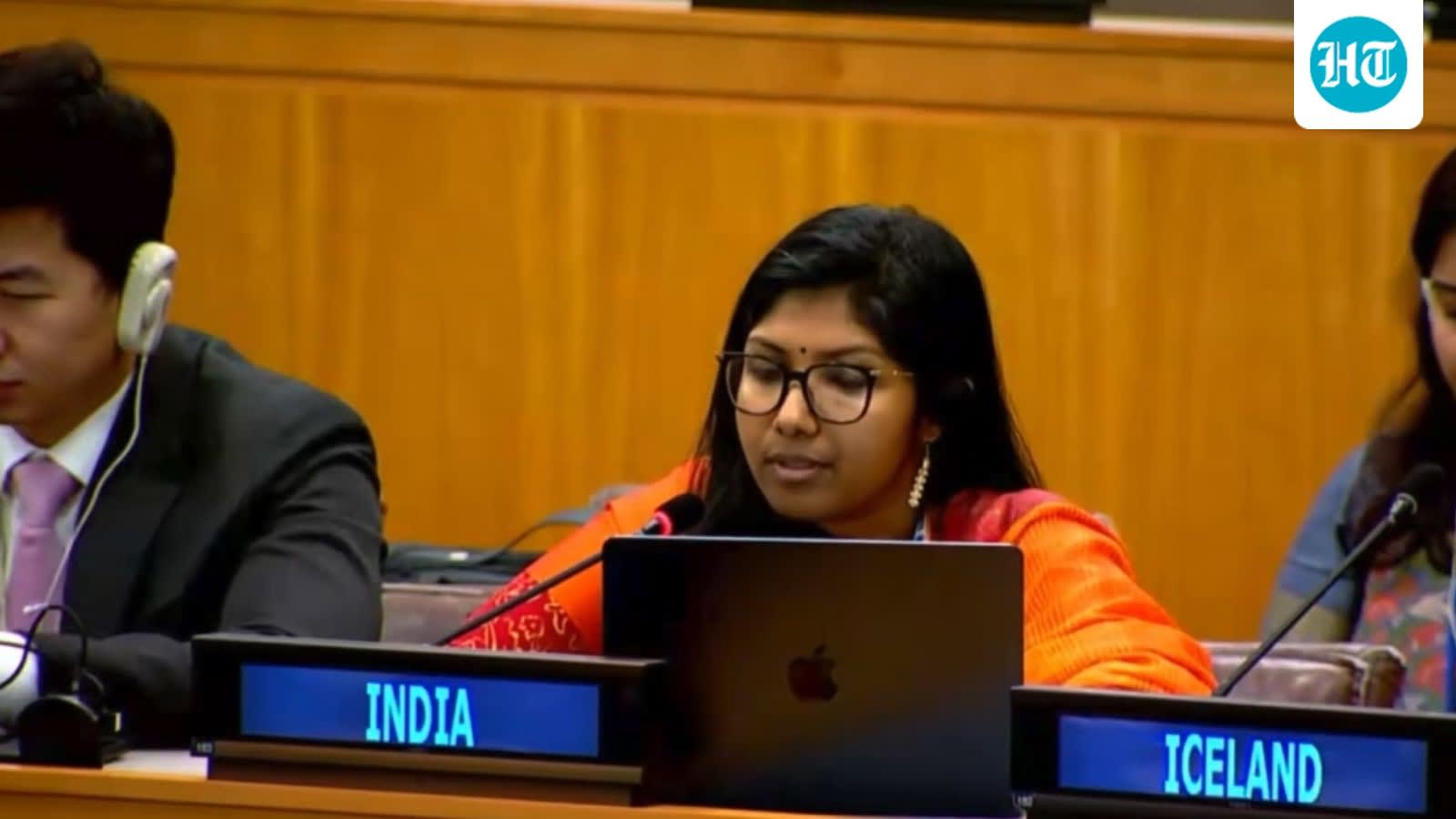
India's diplomat Bhavika Mangalanandan sharply criticized Pakistan at the UN, citing its failure to claim its soldiers' bodies during the 1999 Kargil War. The intervention underscored the irony of Pakistan lecturing on religious rights while failing to protect its own minorities or honor its fallen troops.
India’s Diplomatic Offensive at the United Nations
In a sharp rebuke delivered at the United Nations, India utilized the historical context of the 1999 Kargil War to dismantle Pakistan’s recent rhetoric regarding religious freedom and human rights. Indian diplomat Bhavika Mangalanandan addressed the assembly, highlighting the stark contrast between Pakistan’s public posturing and its historical actions. By referencing the abandonment of its own soldiers during the Kargil conflict, India aimed to expose what it characterizes as a fundamental hypocrisy in Islamabad’s diplomatic narrative.
The Kargil Precedent and Moral Authority
The core of India’s argument rests on the events of 1999, where the Indian Army, despite being engaged in active combat, performed Islamic burial rites and provided military honors for Pakistani soldiers whose bodies were left behind by their own state. This act serves as a potent symbol in India’s diplomatic arsenal, used to challenge Pakistan's credibility when it attempts to frame itself as a defender of religious rights or Islamic values on the global stage. India’s decision to highlight this specific historical failure serves to invalidate the moral high ground Pakistan seeks to occupy.
Challenging the UN Special Rapporteur
Beyond historical grievances, the Indian delegation also took issue with the approach of the UN Special Rapporteur on Freedom of Religion or Belief. The critique focused on the Rapporteur’s stance regarding funeral rights during the COVID-19 pandemic and the advocacy for the rights of terrorists. India argued that international bodies often fail to distinguish between the rights of vulnerable communities and the preservation of funeral rights for those involved in extremism, a distinction that New Delhi insists is vital for global security and justice.
Addressing the 'Obsession' with Kashmir
India’s message was not limited to historical warfare; it also addressed the contemporary geopolitical landscape. New Delhi explicitly told Islamabad to cease its persistent focus on Jammu and Kashmir and instead turn its attention toward the territories under its own illegal occupation. This rhetoric suggests a shift in Indian diplomacy toward a more assertive posture, refusing to engage with Pakistani narratives regarding Kashmir while simultaneously questioning Pakistan’s internal human rights record and its treatment of minorities.
Broader Implications for India-Pakistan Relations
This exchange at the UN reflects the hardening of stances between the two nuclear-armed neighbors. By systematically tying Pakistan’s current diplomatic complaints back to its historical record, India is attempting to shift the focus of the international community away from Pakistan’s accusations against New Delhi and onto Islamabad’s own internal and historical failures. This strategy is designed to neutralize Pakistan’s influence in multilateral forums and force a re-evaluation of its credibility among UN member states.
Future Trends in Diplomatic Engagement
Looking forward, it is likely that India will continue to utilize this 'three-pronged' strategy—linking historical military conduct, the protection of minorities, and the illegality of regional occupations—to counter Pakistani narratives. As global scrutiny on religious freedom intensifies, India’s insistence on highlighting the 'rights of terrorists' versus the rights of victims will remain a central pillar of its defensive diplomacy, effectively creating a barrier against international censure while placing the burden of proof back onto Pakistan.
Multiple Citing Sources
Verification Required?