Availability of predictable food through garbage and intentional feeding linked to India’s street-dog population: Study
Source Entity
India Latest News: Top National Headlines Today & Breaking News | The Hindu
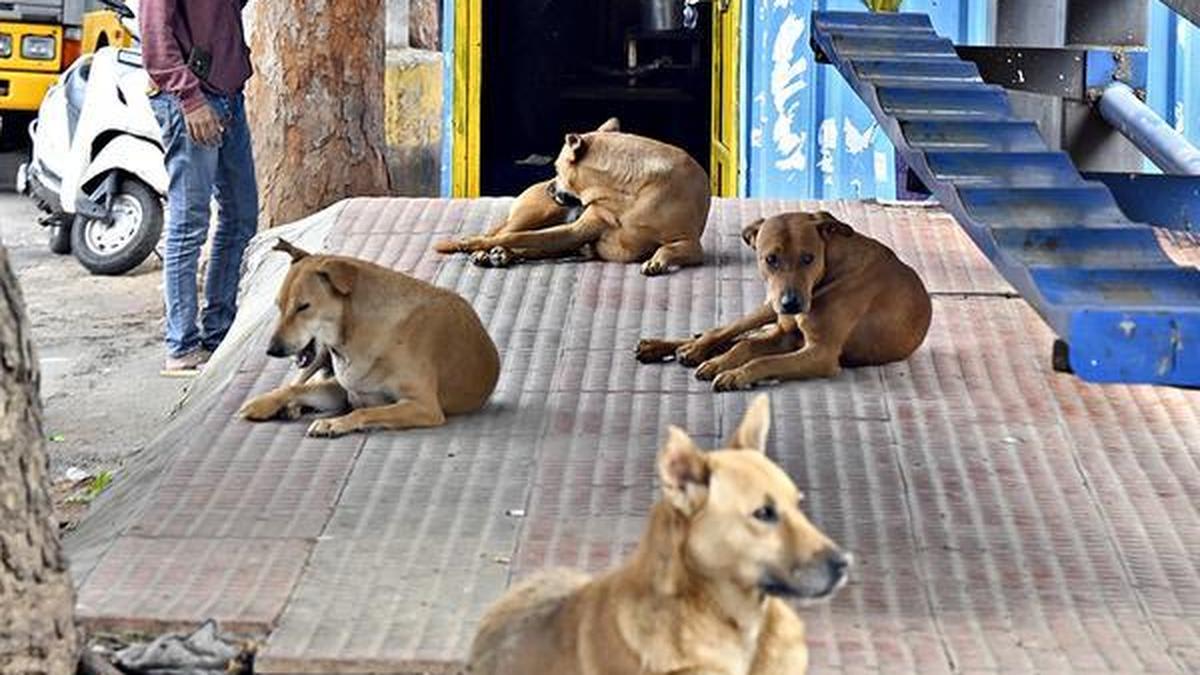
A new NCBS study identifies 'food subsidies' from garbage and intentional feeding as primary drivers of India's street-dog population. The findings suggest that current sterilization and vaccination efforts may fail without addressing these accessible food sources.
The Ecological Drivers of India's Street-Dog Population
A recent study titled ‘The Indian street dog crisis and multi-species coexistence in tropical urban futures,’ published in Nature Cities and conducted by Nishant Kumar of the National Centre for Biological Sciences (NCBS), has provided a transformative perspective on the management of free-ranging dogs in India. Traditionally, the discourse surrounding the street-dog crisis has focused almost exclusively on population control methods like sterilization and vaccination. However, Kumar’s research shifts the focus to the environmental and anthropogenic factors that sustain these populations.
The Role of 'Food Subsidies'
At the heart of the study is the concept of 'food subsidies.' These are defined as the abundance of predictable, easily accessible food sources available to street dogs, primarily through unmanaged garbage and intentional feeding by residents. By analyzing the urban ecosystem, the study posits that these subsidies act as a demographic catalyst, allowing dog populations to thrive and maintain high densities within human-dominated landscapes.
Limitations of Traditional Interventions
One of the most critical takeaways from the NCBS research is the assessment of current mitigation strategies. The study suggests that interventions such as systematic sterilization, vaccination, or even the removal and fencing of dog populations may have limited success if implemented in isolation. Without addressing the underlying food availability that supports the carrying capacity of the urban environment, these traditional methods fail to tackle the root cause of the population spike.
Urban Ecosystems and Coexistence
The study highlights that Indian street dogs are deeply integrated into the country's tropical urban futures. By framing the issue as a challenge of 'multi-species coexistence' rather than just a population control problem, the research encourages a broader look at how waste management and human behavior influence animal demographics. The interaction between human waste disposal practices and canine population dynamics creates a feedback loop that sustains the current crisis.
Future Trends and Policy Implications
Moving forward, the findings imply that a successful management strategy must be multi-faceted. Policy interventions should likely pivot toward waste management reforms—reducing the availability of edible refuse in public spaces—while simultaneously regulating intentional feeding practices. By limiting the 'food subsidies' available in the urban ecosystem, authorities may be able to naturally regulate the population density of street dogs more effectively than through sterilization alone.
Conclusion
The NCBS study serves as a vital call to action for urban planners and animal welfare advocates. By identifying food accessibility as a primary demographic driver, the research provides a scientific basis for revising current policies. Future efforts to manage street-dog populations must prioritize environmental sanitation and human behavioral changes to create sustainable, safer urban environments for both humans and animals.
Verification Required?