From Thumba to tomorrow: Indian space programme is preparing for its biggest leap yet
Source Entity
CHETHAN KUMAR
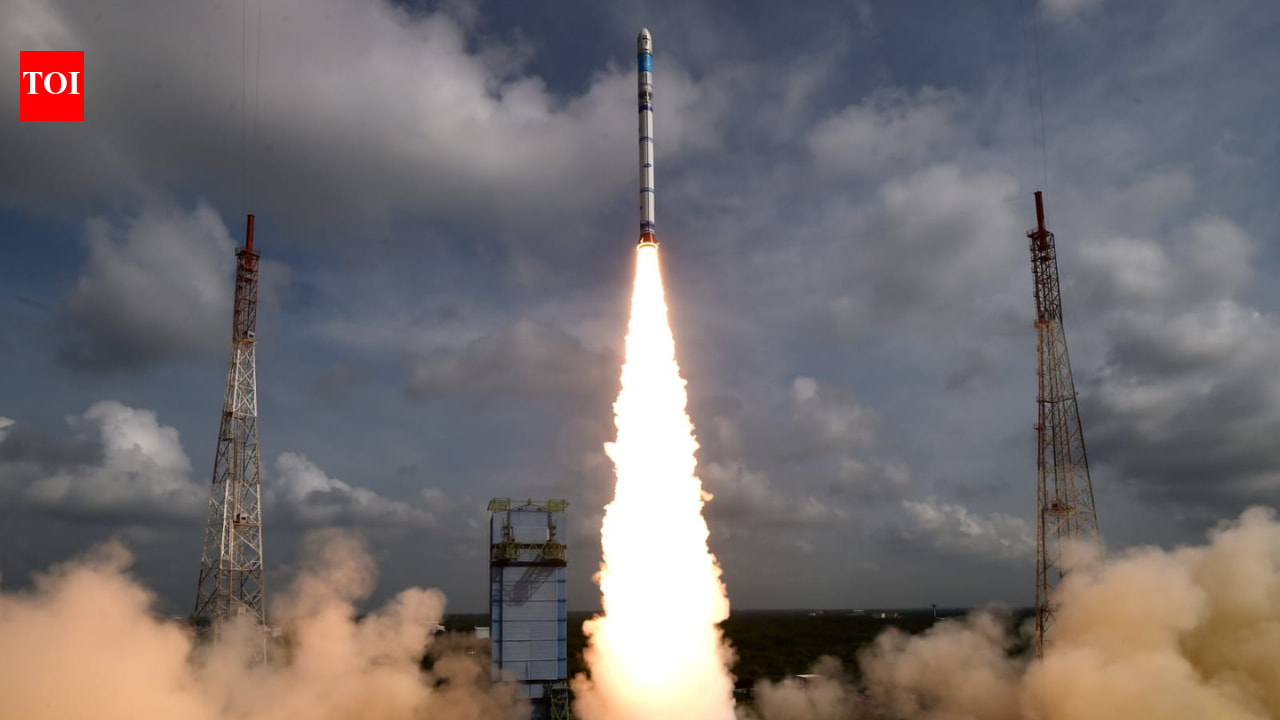
Prime Minister Modi met with 20 space startup CEOs to celebrate National Space Day, emphasizing the role of private innovation in India's space future. The event underscored India's goal to become a global space hub by leveraging cost-efficiency and returning talent.
India’s New Frontier: The Rise of the Space Startup Ecosystem
Prime Minister Narendra Modi’s recent interaction with the CEOs of 20 prominent Indian space startups, including Skyroot Aerospace, marks a pivotal moment in the nation's scientific trajectory. Held ahead of National Space Day—which commemorates the historic success of the Chandrayaan-3 mission to the Moon's south pole—this meeting served as both a celebration of past achievements and a strategic blueprint for the future. By engaging directly with private sector leaders, the government is signaling a shift toward a more collaborative and entrepreneurial approach to space exploration.
Building a Global Hub for Innovation
During the meeting, the Prime Minister explicitly challenged young entrepreneurs to transform India into a global hub for space technology. This ambition is rooted in the belief that India’s unique competitive advantages—specifically its cost-efficiency, deep pool of technical talent, and growing risk tolerance—can attract international interest. By fostering an ecosystem that encourages innovation, the government aims to reverse the 'brain drain' of the past, with reports already indicating that Indian professionals are returning home to participate in the current aerospace boom.
Historical Context: From Thumba to the Moon
The evolution of India's space program is a story of remarkable growth, beginning with the modest Thumba Equatorial Rocket Launching Station in 1962. From those humble origins, ISRO successfully transitioned through various stages of indigenous development, from early satellite deployments to complex interplanetary missions. ISRO Chairman S. Somanath (Narayanan) has emphasized this journey, noting that the program's success is tied to its ethos of transparency and global data sharing, which has helped build international trust.
The Chandrayaan-3 Catalyst
The success of Chandrayaan-3 was more than a technical triumph; it served as a national catalyst for scientific interest. By successfully landing on the Moon's south pole, India solidified its status as a leading space power. National Space Day, established to honor this milestone, functions as a platform to inspire the next generation of scientists and engineers, ensuring that the momentum generated by the lunar mission translates into long-term growth for the domestic aerospace industry.
Future Ambitions and Strategic Vision
Looking ahead, India has outlined an aggressive roadmap that extends well into the next two decades. With goals to establish an indigenous space station by 2035 and conduct a crewed lunar landing by 2040, the government is leaning heavily on private sector involvement to achieve these milestones. The integration of startups into the broader national space strategy is essential for scaling operations, reducing launch costs, and maintaining the competitive edge necessary to execute such complex, high-stakes missions.
Conclusion: A Collaborative Future
Ultimately, the collaboration between the state and private startups represents a maturation of India's scientific policy. By prioritizing an ecosystem that pulls in global talent and fosters private innovation, India is not just participating in the global space race; it is redefining it. As the nation moves from the legacy of government-only missions to a diversified, multi-stakeholder space economy, the potential for India to lead in global space commerce and exploration has never been greater.