‘People were blinded’: CJP warns of fresh nationwide protest over unfulfilled demands
Source Entity
The Indian Express
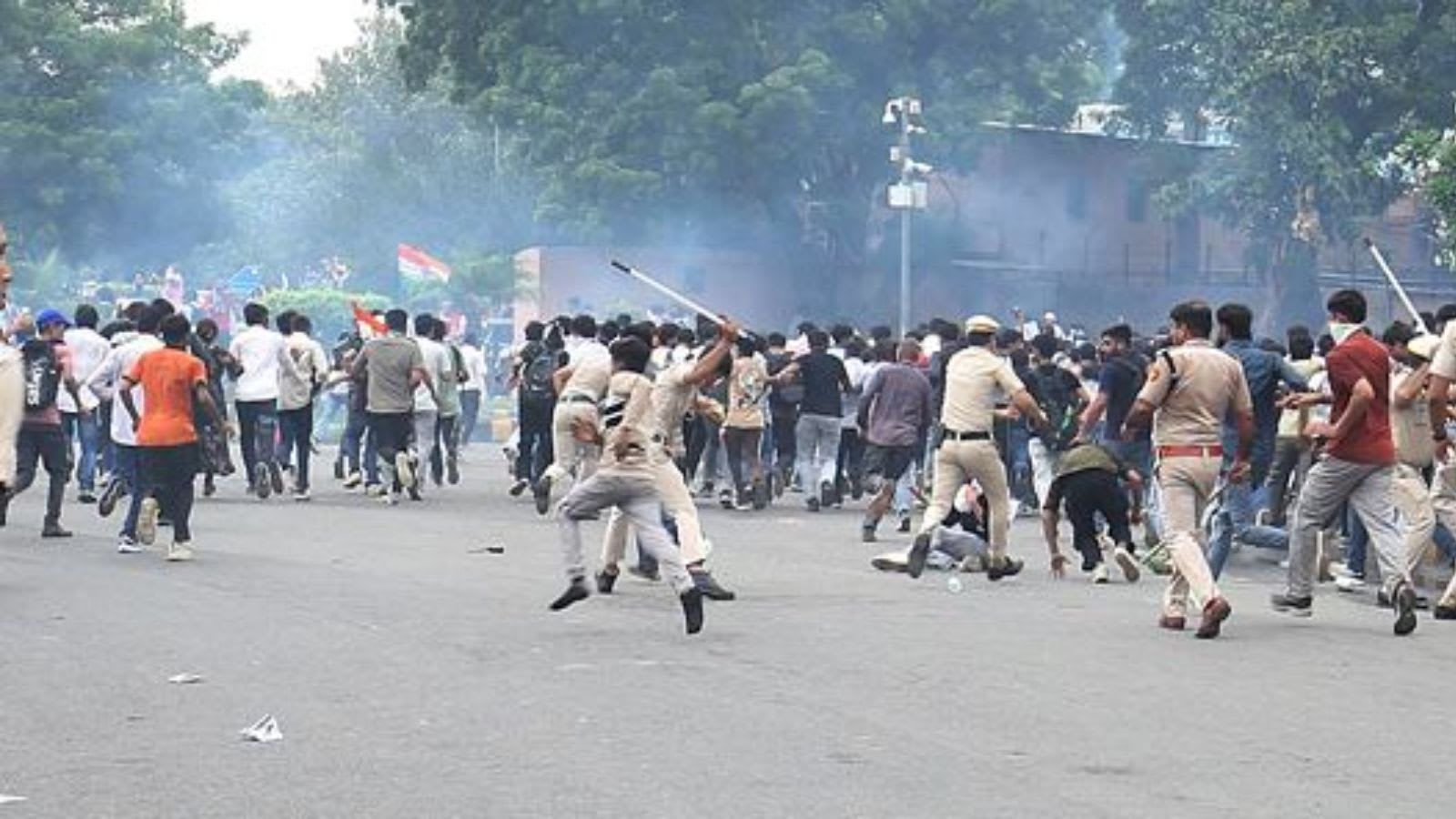
The Cockroach Janta Party has secured government assurances regarding the protection and release of student protesters following late-night negotiations. Meanwhile, a police constable in Siwan has been suspended for the unauthorized discharge of an AK-47 during related demonstrations.
Tensions Erupt Over Student Protests and Police Conduct
Recent developments in India have brought the intersection of student activism, government accountability, and police conduct to the forefront of national discourse. The Cockroach Janta Party (CJP), represented by leaders Saurav Das and Ashutosh Ranka alongside senior advocate Kapil Sibal, has emerged as a key intermediary in discussions regarding the treatment of student protesters. Following a marathon negotiation session that concluded in the early hours of Monday, the CJP reported receiving formal assurances from the Union government regarding the withdrawal of FIRs and the protection of those involved in recent demonstrations.
The Path to Resolution and Government Assurances
The late-night talks between CJP leadership and government representatives underscore the gravity of the ongoing unrest. By securing copies of official notifications from Bihar and Assam, the CJP aims to ensure that the state fulfills its promise to drop cases and facilitate the immediate release of detainees. This development represents a significant shift in the management of student-led movements, reflecting an attempt to de-escalate tensions through administrative guarantees rather than prolonged judicial or civil conflict.
Accountability in Policing: The Siwan Incident
Parallel to these political negotiations, the administration is facing scrutiny over police conduct on the ground. In Siwan, Bihar, the suspension of constable Abhishek Kumar serves as a focal point for concerns regarding the use of force. The unauthorized discharge of an AK-47 rifle during a protest at JP Chowk has prompted an immediate investigation by the district administration. District Magistrate Vivek Ranjan Maitrey and Superintendent of Police Puran Kumar Jha have confirmed that the firing was entirely unauthorized, highlighting a critical breakdown in chain-of-command discipline during high-pressure crowd control scenarios.
Broader Implications of Administrative Action
The incident in Siwan is not an isolated event but rather a symptom of the broader friction between law enforcement and protesters. The fact that three individuals sustained injuries away from the primary site of the firing raises serious questions about public safety protocols and the deployment of armed units in civilian protest zones. The initiation of departmental proceedings against the constable indicates that the state is attempting to mitigate the political fallout while simultaneously addressing the operational lapses that led to such an dangerous escalation.
Future Trends and Political Stability
As the government moves to honor the agreements reached with the CJP, the focus will likely shift toward the actual implementation of these promises on the ground. The withdrawal of cases and the release of detainees are essential steps for restoring normalcy in affected regions. However, the political environment remains volatile. The scrutiny of police behavior, particularly in states like Bihar, suggests that future protests will be met with a more complex interplay of political negotiation and heightened administrative oversight to prevent further incidents of unauthorized violence.
Conclusion
The situation remains in a delicate state of transition. While the CJP has successfully leveraged diplomatic channels to secure protections for protesters, the incident in Siwan serves as a stark reminder of the risks inherent in protest management. Long-term stability will depend on the government's ability to maintain its commitments while ensuring that law enforcement agencies adhere to strict protocols that prioritize civilian safety over aggressive crowd control measures.
Multiple Citing Sources