India advises citizens to postpone travel to Iran amid rising instability
Source Entity
India Latest News: Top National Headlines Today & Breaking News | The Hindu
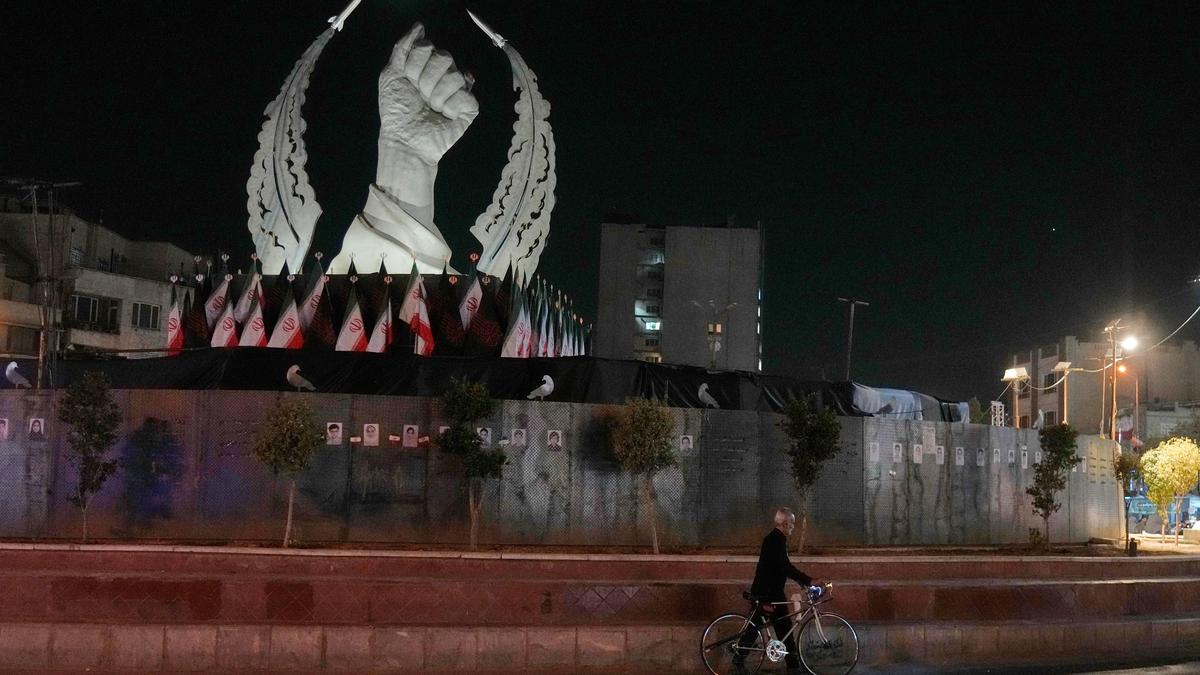
The Indian Embassy in Tehran has issued a revised travel advisory urging Indian nationals to postpone travel to Iran and consider leaving the country via commercial flights. This warning follows intensifying military hostilities and rising instability between the United States and Iran.
Urgent Travel Advisory: India Warns Citizens Against Iran Travel
In a significant move to ensure the safety of its citizens, the Indian Embassy in Tehran has issued a revised and urgent travel advisory. The embassy has sounded an alarm regarding the "rise in instability" within Iran, explicitly urging Indian nationals to postpone all planned travel to the country. Furthermore, for those currently present in Tehran, the mission has recommended considering a temporary exit using available commercial flights. This directive signals a high level of concern regarding the immediate physical security of Indian nationals on Iranian soil.
The Catalyst: US-Iran Military Hostilities
The primary driver behind this urgent advisory is the sharp intensification of military hostilities between the United States and Iran. According to the reports, the region has witnessed a surge in fresh strikes and retaliatory attacks, creating a volatile environment where security can deteriorate rapidly. This cycle of aggression has moved beyond diplomatic tension into active military confrontation, significantly increasing the risk of collateral damage and unpredictable security breaches that could endanger foreign nationals.
Strategic Implications for Indian Nationals
India's decision to issue a revised advisory reflects a proactive approach to crisis management. By advising citizens to exit the country while commercial flights are still operational, the Indian government is attempting to avoid a scenario where its citizens become stranded during a full-scale conflict. The emphasis on "available commercial flights" suggests a critical window of opportunity; in high-conflict zones, airspace is often closed or flights are canceled abruptly, which would necessitate more complex and risky government-led evacuation operations.
Broader Regional Instability
This situation is not an isolated incident but is framed within the context of an escalating conflict across the wider Middle East. The embassy's mention of "growing concerns over the security situation across the region" indicates that the US-Iran friction is acting as a catalyst for broader instability. When two major regional powers engage in direct military strikes, the resulting volatility often spills over into neighboring territories, affecting diplomatic missions, trade routes, and the general safety of international travelers throughout the area.
Analysis of Diplomatic Caution
From a diplomatic perspective, this advisory serves as a formal acknowledgment that the security environment in Iran has reached a threshold where standard consular protections may no longer be sufficient. By instructing nationals to postpone travel "until the security environment improves," India is signaling that it does not foresee a short-term resolution to the current hostilities. This level of caution is typically reserved for situations where the risk of escalation is high and the predictability of the local security apparatus is low.
Future Outlook and Trends
Looking ahead, the security landscape in Iran is likely to remain precarious as long as the retaliatory cycle between Washington and Tehran continues. Future trends may include further restrictions on movement or the potential for the Indian government to coordinate emergency repatriation flights if commercial options cease. The stabilization of the region will depend entirely on the de-escalation of military strikes and the restoration of diplomatic channels between the opposing powers.
Conclusion
In summary, the Indian Embassy's warning is a direct response to a tangible and escalating military threat. By prioritizing the temporary evacuation of its citizens and halting new arrivals, India is mitigating the risks associated with the current US-Iran conflict. The situation remains fluid, and the urgency of the advisory underscores the severity of the instability currently gripping the region.
Multiple Citing Sources
Verification Required?