Non-Oil Trade With India Went Up 50% In 3 Years: UAE Minister At NDTV Summit
Source Entity
NDTV News Search Records Found 1000
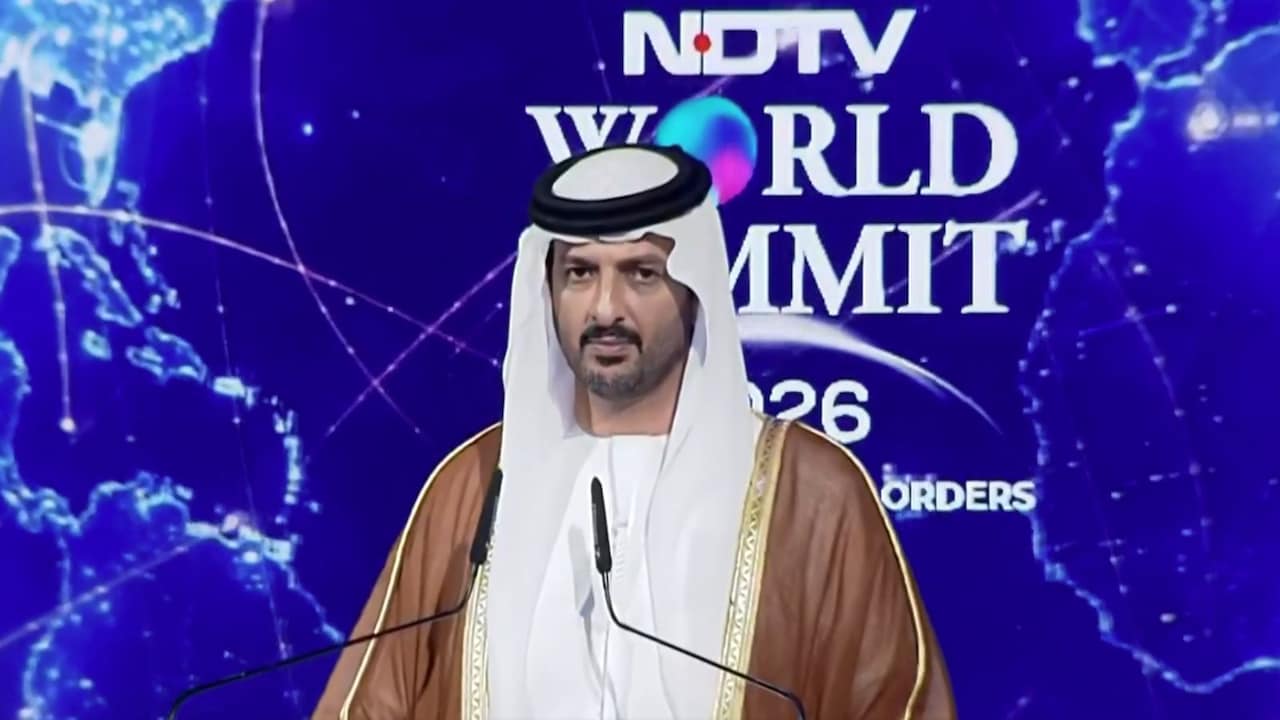
Non-oil trade between India and the UAE surged by 50% over the last three years, reaching over $76 billion in 2025. This growth highlights the strengthening economic partnership between the two nations following the Comprehensive Economic Partnership Agreement.
The Surge in India-UAE Economic Ties
At the recent NDTV Summit, UAE Minister of Economy Abdulla bin Touq Al Marri announced a significant milestone in the bilateral relationship between India and the United Arab Emirates. The minister confirmed that non-oil trade between the two nations has witnessed a remarkable 50% growth over the past three years, reaching a valuation of more than $76 billion by 2025. This surge underscores the efficacy of recent strategic frameworks designed to diversify trade beyond traditional energy sectors.
The Shift Toward Non-Oil Diversification
Historically, the economic relationship between India and the UAE was heavily anchored in the energy sector, with India serving as a major importer of crude oil and petroleum products. However, the recent data indicates a deliberate and successful pivot toward non-oil trade. This diversification is critical for both nations; for the UAE, it aligns with its 'We the UAE 2031' vision to reduce dependence on hydrocarbons, while for India, it represents an expansion of export markets for manufactured goods, agricultural products, and services.
The Impact of Strategic Agreements
The rapid acceleration of this trade volume is largely attributed to the Comprehensive Economic Partnership Agreement (CEPA) signed between the two countries. By reducing tariffs, streamlining customs procedures, and facilitating greater market access for businesses on both sides, the agreement has acted as a catalyst for growth. The $76 billion figure reflects not only increased trade in goods but also a deepening integration of supply chains that benefit small and medium-sized enterprises in both regions.
Geopolitical and Economic Implications
The strengthening of this trade corridor has broader implications for regional stability and economic integration in the Middle East and South Asia. As India continues to position itself as a global manufacturing hub, the UAE serves as a vital gateway for Indian exports into the Middle East, Africa, and Europe. This interconnectedness fosters a resilient economic environment that is less susceptible to the volatility of global oil markets, providing a more stable foundation for long-term bilateral investment.
Future Trends and Outlook
Looking ahead, the trajectory of this partnership appears set for further expansion. With digital trade, fintech, and renewable energy sectors emerging as new frontiers for cooperation, the $76 billion benchmark is likely to be viewed as a baseline for future growth. Experts anticipate that as both countries continue to invest in technological infrastructure and logistics, the ease of doing business will continue to improve, further incentivizing private sector participation and cross-border investments.
Conclusion
In summary, the 50% increase in non-oil trade between India and the UAE marks a transformative period in their diplomatic and economic history. By moving beyond a singular focus on energy, both nations are creating a multifaceted economic partnership that supports sustainable growth. As these trade figures continue to climb, the UAE and India are setting a benchmark for bilateral cooperation in the modern global economy.
Verification Required?