Young Americans are giving up their cars. It’s a path to financial freedom, for some.
Source Entity
Venessa Wong
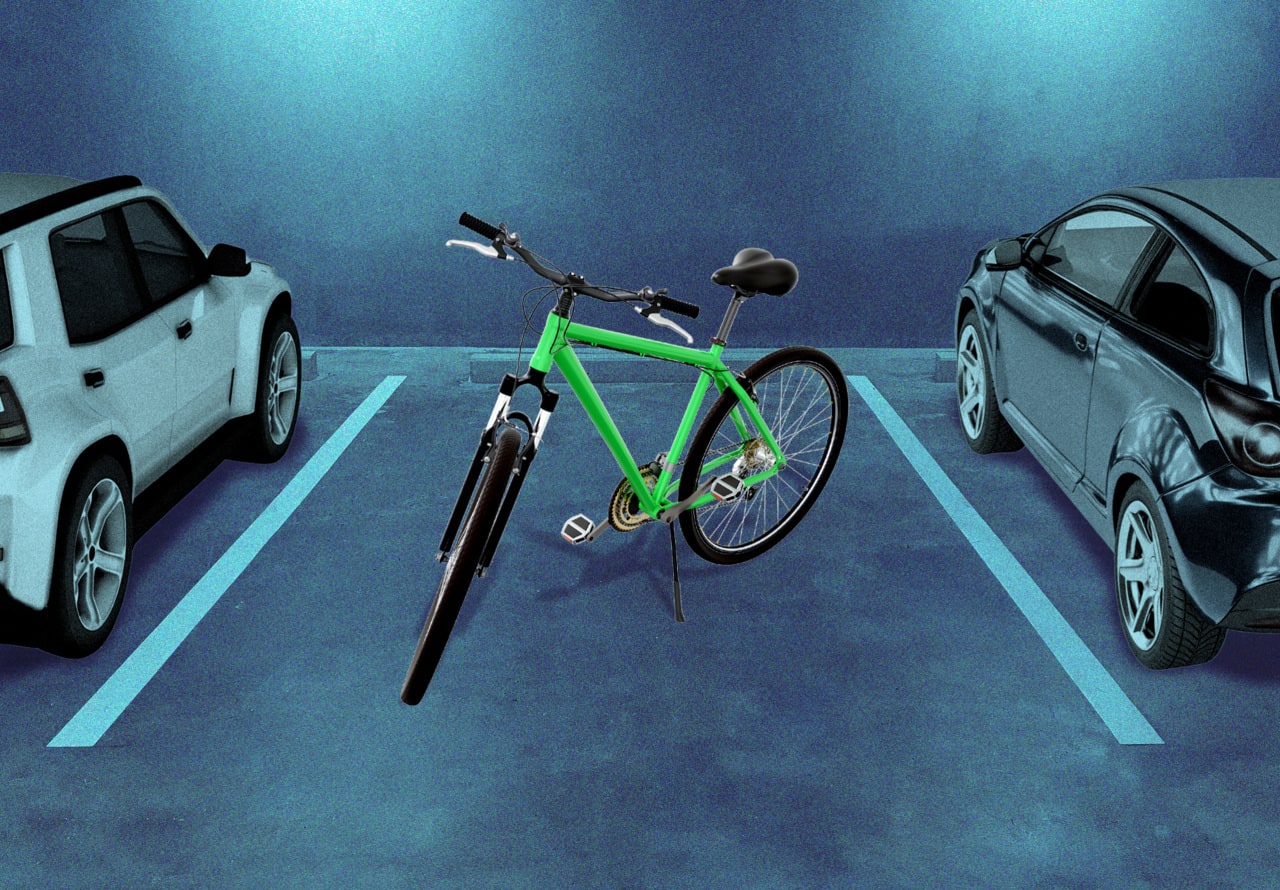
Young Americans are increasingly opting out of car ownership as rising vehicle costs make it a luxury. This shift is enabling many to achieve greater financial flexibility and redirect funds toward other life priorities.
The Shift Away from Car Dependency
For decades, the automobile has been a quintessential symbol of the American dream, representing personal freedom and professional mobility. However, a significant cultural and economic shift is currently underway as young Americans increasingly choose to forgo vehicle ownership. This trend is not merely a lifestyle preference but a pragmatic response to the surging costs of purchasing and maintaining a personal vehicle, which have reached levels that make ownership inaccessible for many young adults starting their careers.
The Economic Catalyst: Soaring Costs
The primary driver of this trend is the unprecedented escalation in vehicle prices. Between supply chain disruptions and inflationary pressures, the barrier to entry for owning a reliable car has become significantly higher. When factoring in not just the purchase price, but also the compounding costs of insurance, fuel, routine maintenance, and parking fees, a car represents a massive drain on monthly disposable income. For young adults navigating a high-cost-of-living environment, the financial burden of a vehicle often outweighs its utility.
Financial Freedom as a New Metric
For those who successfully transition to a car-free life, the immediate result is often described as a newfound sense of financial breathing room. By eliminating the 'car payment'—a staple expense for the average American household—individuals are finding they can redirect those funds toward debt repayment, savings, or investments. This redistribution of capital is allowing a subset of the younger generation to prioritize long-term fiscal health over the convenience of private transportation, effectively using the absence of a car as a tool for economic stabilization.
Broader Implications and Urban Infrastructure
The move away from car ownership highlights a growing disconnect between traditional urban planning and modern economic realities. As more young people choose cities with robust public transit, bikeability, and walkability, the demand for car-centric infrastructure is being challenged. This shift suggests that the future of urban development may need to prioritize multi-modal transportation options to accommodate a demographic that values access over ownership.
Future Trends and Sustainability
Looking ahead, we can expect this trend to influence the automotive industry's business models, likely accelerating the shift toward subscription-based transportation and ride-sharing services. As the stigma of not owning a vehicle fades, the cultural narrative of success is being redefined. Financial autonomy is replacing the vehicle as the primary marker of independence, suggesting a permanent change in how the next generation interacts with the economy and their local environments.
Verification Required?