How Indian-Americans plan to vote in the 2026 US midterms: Explained in 5 charts
Source Entity
AASHISH SAXENA
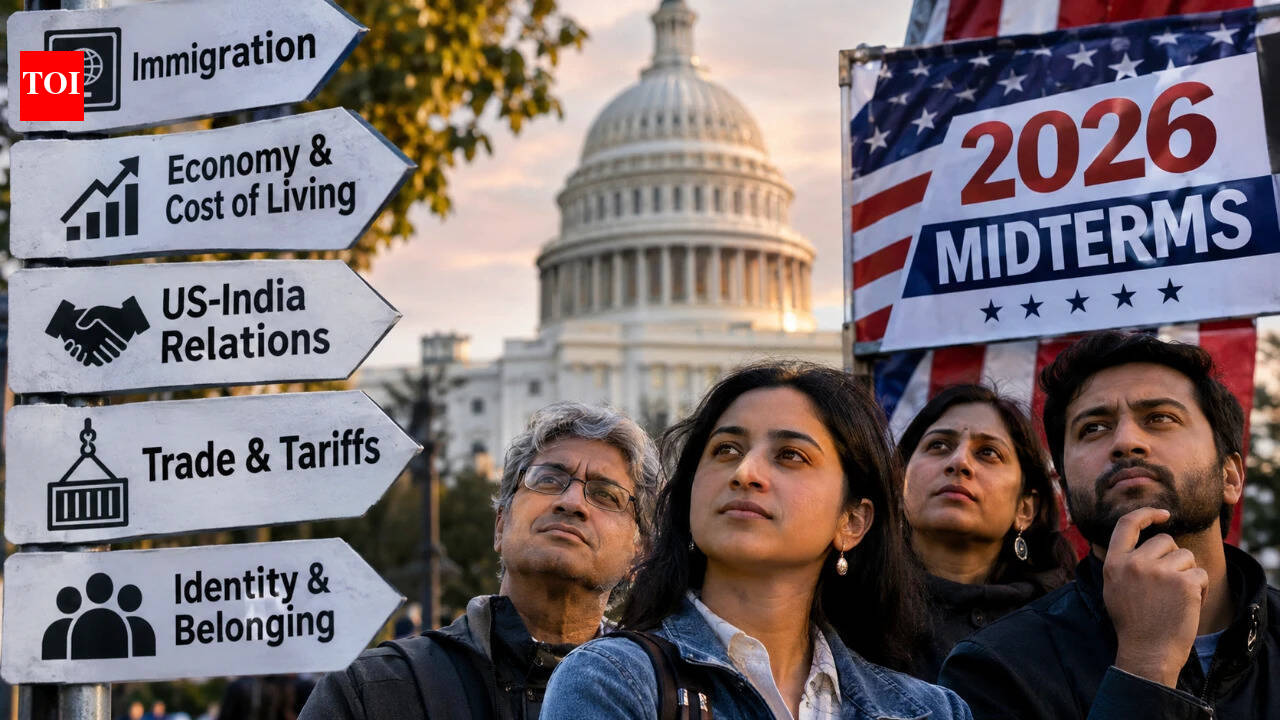
Indian-American voters are shifting back toward the Democratic Party ahead of the 2026 midterms as support for Donald Trump's policies wanes. While the community remains a key demographic, both major parties are grappling with the complexities of this diverse and increasingly fluid voting bloc.
The Shifting Landscape of Indian-American Political Allegiances
As the United States approaches the November 2026 midterm elections, the political behavior of the Indian-American diaspora has moved to the center of national discourse. Once considered a reliably monolithic Democratic constituency, the community has recently demonstrated significant fluidity in its voting patterns. Recent data, including findings from the Carnegie Endowment for International Peace, indicates that the modest inroads made by the Republican Party in 2024 have largely evaporated, with a decisive swing back toward Democratic candidates.
The Impact of Second-Term Policies
The primary driver behind this shift appears to be a growing disenchantment with the second-term policy agenda of President Donald Trump. Issues such as restrictive immigration policies, economic volatility, and the broader implications of trade and tariff adjustments have created significant friction. For many Indian-Americans, these policies are not merely abstract debates but direct challenges to their personal and professional lives, leading to a palpable cooling of the 'romance' that some segments of the community briefly explored with the GOP.
Core Fault Lines: Immigration and the Economy
Immigration remains a cornerstone issue for the diaspora, as families and professionals navigate a complex legal landscape. When policies are perceived as exclusionary or discriminatory, the resulting backlash is swift. Simultaneously, the domestic economy and international economic policies have emerged as critical fault lines. The survey data suggests that 62 percent of Indian-American citizens currently intend to vote for Democratic congressional candidates, a stark contrast to the 19 percent who maintain support for Republicans, highlighting a significant loss of momentum for the latter.
Identity, Belonging, and Political Cynicism
Beyond policy, the discourse surrounding the Indian-American community is increasingly colored by questions of identity and social belonging. Historical references, such as the legacy of figures like Swami Vivekananda—who preached tolerance in the US over a century ago—are being invoked to contrast the current climate of perceived intolerance. There is a growing sentiment that both the MAGA movement and the Democratic establishment often overlook the nuanced needs of the community, viewing them as a demographic to be courted only when electoral margins are narrow.
The Future of Diaspora Influence
Despite accounting for only approximately 1.5 percent of the US population, the political weight of Indian-Americans is punching well above its weight class. As the 2026 midterms approach, the challenge for both parties is to address the specific concerns of this demographic without relying on outdated assumptions of loyalty. The trend toward the Democratic Party is clear, but the volatility of this voting bloc suggests that neither party can afford to take their support for granted in future election cycles.