After the Supreme Court order, Railways extends travel insurance scheme for counter tickets
Source Entity
Dheeraj Mishra
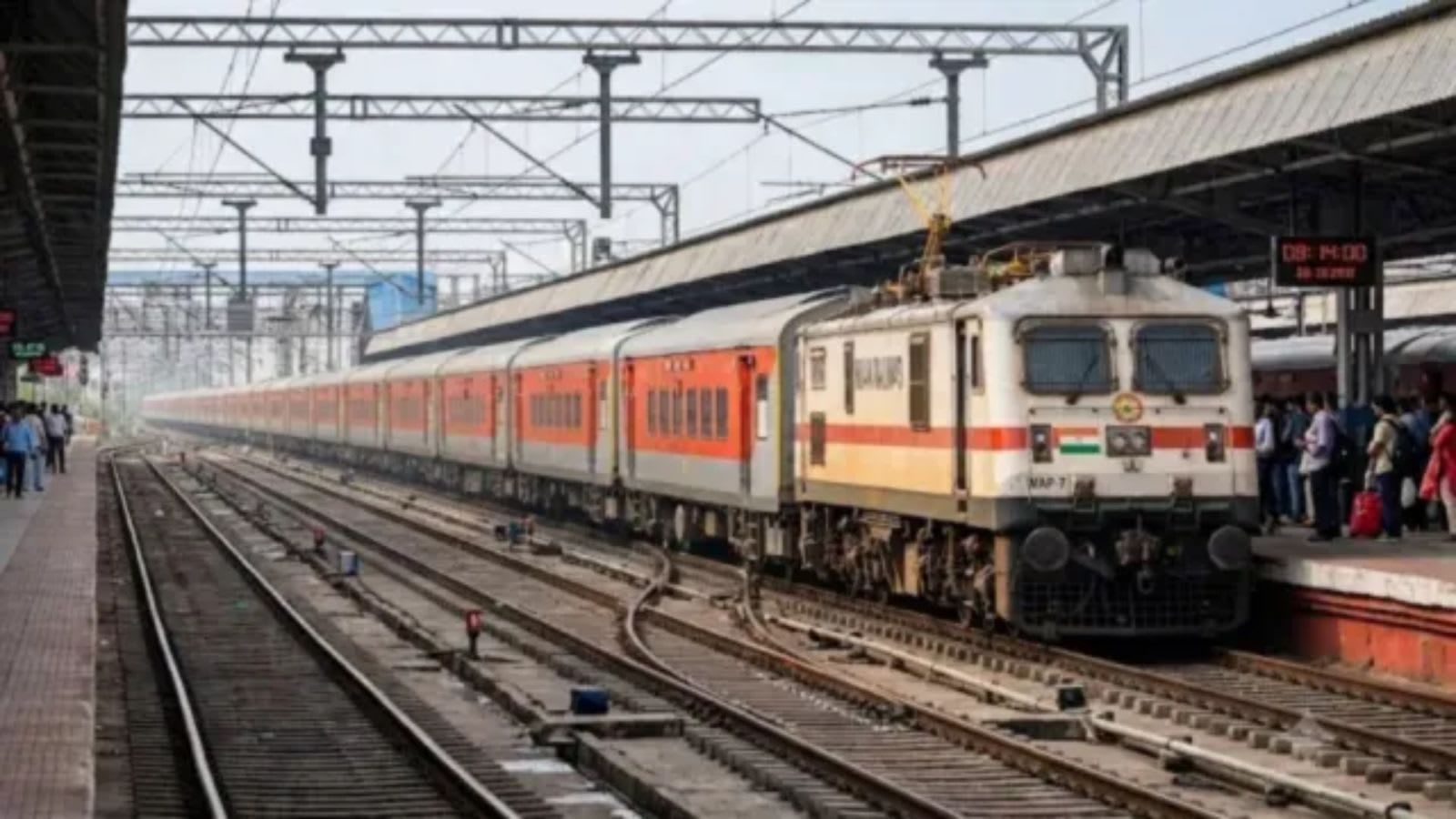
Indian Railways is extending its optional travel insurance scheme to counter-booked tickets starting October 27, following a Supreme Court directive. Passengers can secure up to ₹10 lakh in accident coverage for a nominal premium of 45 paise.
Expanding Financial Protection for Rail Passengers
Following a definitive directive from the Supreme Court, the Indian Railway Board has officially announced the extension of its Optional Travel Insurance Scheme (OTIS) to include passengers who book reserved tickets at physical Passenger Reservation System (PRS) counters. Previously, this vital safety net was restricted exclusively to those booking through online portals, creating a disparity in coverage accessibility for a large segment of the population that still relies on traditional, offline booking methods. This move marks a significant shift toward universalizing passenger welfare.
Implementation Timeline and Operational Requirements
The Railway Board has mandated that all zonal railways ensure the full implementation of this insurance facility by October 27. To facilitate this transition, reservation staff have been instructed to proactively inform passengers about the availability of the insurance add-on during the booking process. A critical operational requirement is the collection of the passenger’s mobile number, which is now mandatory, alongside the processing of the insurance premium exclusively through digital payment channels.
Cost-Effectiveness and Coverage Scope
For a remarkably low premium of just 45 paise per passenger, travelers can secure coverage of up to ₹10 lakh. This policy is specifically designed to provide financial relief in the unfortunate event of death or permanent total disability resulting from railway accidents or untoward incidents. By keeping the barrier to entry extremely low, the Railways aims to ensure that financial constraints do not prevent any passenger from opting into this essential safety mechanism.
Bridging the Digital Divide
Historically, the digital-first approach to travel insurance created a coverage gap for rural or less tech-savvy travelers who frequent station counters. By integrating the digital payment requirement for the 45-paise premium at the counter, the authorities are effectively bridging the gap between physical ticket purchasing and modern financial security. This systemic update ensures that the benefits of the Supreme Court's vision are distributed equitably across all demographics of rail users.
Future Implications and Digital Integration
The integration of digital payments at physical counters for insurance premiums represents a broader trend of digitizing Indian Railways' internal processes. As the system scales, the requirement for mandatory mobile numbers will likely assist the Railways in better data management and communication regarding passenger safety. This policy shift not only complies with legal mandates but also strengthens the overall safety ecosystem for one of the world's largest rail networks, potentially setting a precedent for future service-oriented insurance products.