‘It hurts to remember’: Blind since 14, J&K pellet survivor searches for tomorrow
Source Entity
NASEER GANAI
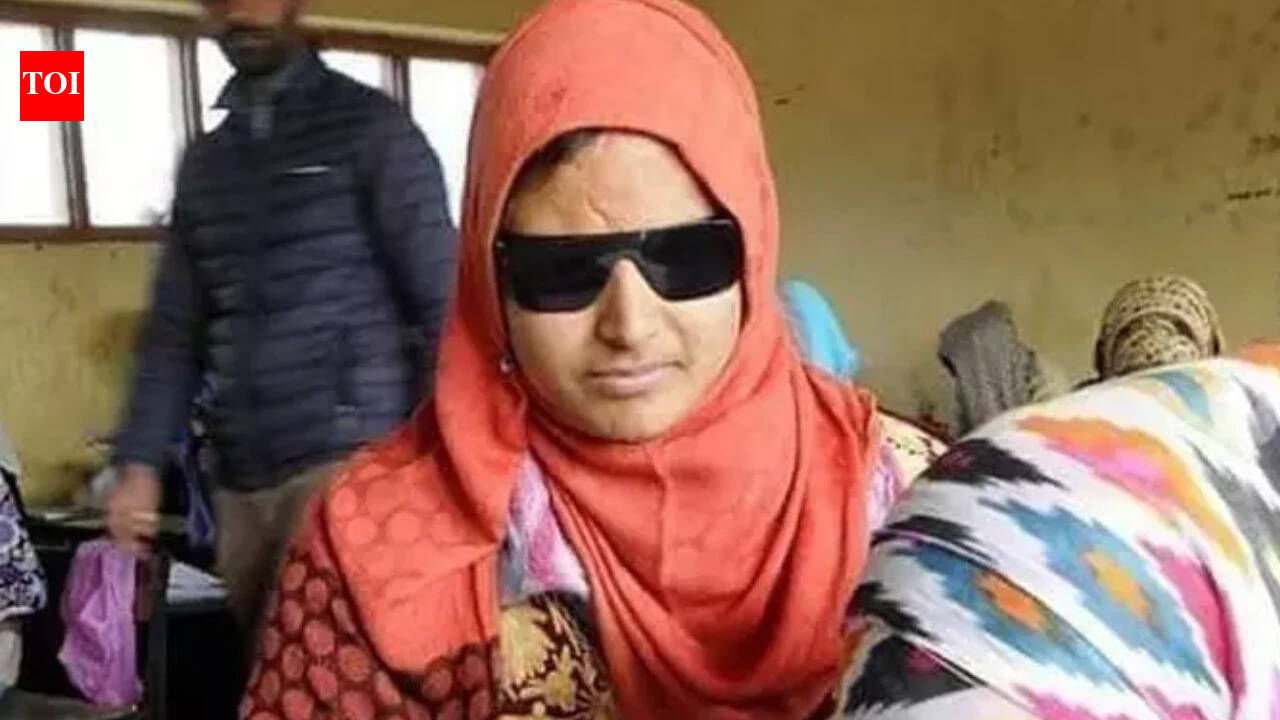
Insha Mushtaq, who lost her vision to pellet guns during the 2016 Kashmir unrest, continues to pursue education and a government career. Her story highlights the enduring trauma caused by these controversial non-lethal weapons.
The Lingering Shadow of the 2016 Kashmir Unrest
Insha Mushtaq’s journey is a poignant reflection of the 2016 Kashmir unrest, a period of intense civil strife that left an indelible mark on the region’s social and political landscape. At just 14 years old, Mushtaq suffered life-altering injuries when she was struck by pellets, resulting in total blindness. This incident is not an isolated tragedy but rather emblematic of the widespread use of pellet guns—weapons introduced by security forces as a 'non-lethal' alternative to live ammunition for crowd control, yet which caused hundreds of severe eye injuries and permanent disabilities across the valley.
The Debate Over 'Non-Lethal' Weaponry
The classification of pellet guns as non-lethal has been a subject of fierce debate among human rights organizations, medical professionals, and government authorities. While intended to minimize fatalities, the high velocity and indiscriminate nature of the projectiles have led to catastrophic ocular damage, often referred to by local medical professionals as 'pellet trauma.' Mushtaq’s experience serves as a critical case study in the human cost of these tactics, underscoring the gap between the intended utility of crowd control measures and the reality of the physical destruction they inflict on young civilians.
Resilience Amidst Profound Adversity
Despite the sudden loss of her sight during her formative years, Mushtaq’s trajectory has been one of extraordinary resilience. She has refused to let her disability dictate her future, actively pursuing higher education and striving for a government job. Her determination is a testament to the human spirit’s capacity to adapt, yet it also highlights the systemic challenges faced by victims of conflict who must navigate a world not designed for those with visual impairments, exacerbated by the psychological trauma of their initial injury.
Reopening Old Wounds: The Impact of Current Events
Recent protests in Delhi have served as a painful catalyst for Mushtaq, reopening the psychological wounds of 2016. The cyclical nature of unrest in the region means that for survivors like her, the past is never truly buried. When new demonstrations occur, they often mirror the atmosphere of previous conflicts, forcing victims to relive their traumas and reminding the public that the consequences of state-sanctioned crowd control measures are not merely historical footnotes but ongoing, living experiences.
A Future Defined by Advocacy and Persistence
Looking ahead, Mushtaq’s story forces a broader societal reckoning regarding the long-term rehabilitation and support systems for pellet victims. As she continues her search for a sustainable career and a stable future, her narrative challenges policymakers to consider the long-term socioeconomic impact of injuries caused by such weapons. Her persistence is not just a personal victory; it is a call for greater accountability and a more compassionate approach to the victims of civil unrest, ensuring that their voices remain central to discussions about peace and security in the region.