Sirens in Bahrain, drones in Kuwait: Iran’s Gulf blitz collides with Trump’s Hormuz blockade
Source Entity
Latest News: Today's Latest News Headlines from India & World | Hindustan Times | Hindustan Times
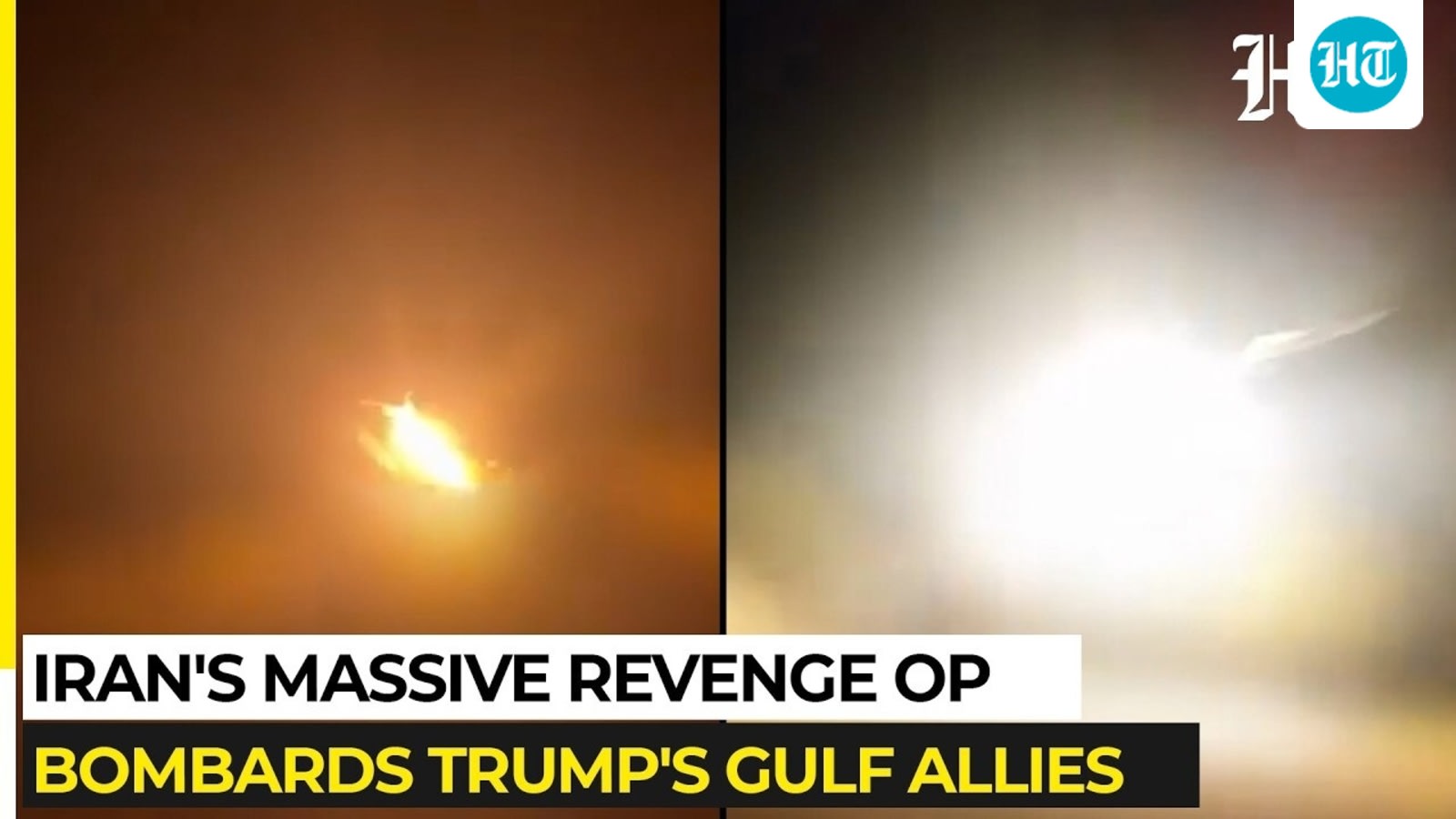
Tensions in the Persian Gulf have reached a critical peak as drone activity in Kuwait and emergency sirens in Bahrain coincide with a U.S.-led blockade of the Strait of Hormuz, threatening global energy markets and regional stability.
Escalation in the Gulf: The Collision of Asymmetric Warfare and Naval Blockades
The Persian Gulf has entered a period of acute volatility, characterized by a dangerous convergence of Iranian tactical aggression and an aggressive U.S. strategic posture. The recent reports of sirens blaring across Bahrain and drone activity detected over Kuwait are not isolated incidents but rather symptoms of a broader 'Gulf blitz.' This escalation represents a shift from diplomatic maneuvering to active military signaling, placing the stability of the Middle East on a knife-edge as the United States and Iran engage in a high-stakes game of brinkmanship.
The Tactical Dimension: Drones and Psychological Warfare
The deployment of drones over Kuwait and the triggering of sirens in Bahrain highlight Iran's reliance on asymmetric warfare. By utilizing unmanned aerial vehicles (UAVs), Tehran can project power and create instability while maintaining a degree of plausible deniability. This 'gray zone' warfare is designed to stress the air defense systems of Gulf Cooperation Council (GCC) members and create a psychological state of constant alert. The sirens in Bahrain serve as a visceral reminder of the region's vulnerability, signaling that the conflict is no longer confined to the waters of the Gulf but is now threatening the sovereign airspace of allied nations.
The Strategic Chokepoint: The Strait of Hormuz
Central to this confrontation is the Strait of Hormuz, arguably the most critical energy chokepoint in the world. President Donald Trump's implementation of blockade measures is a direct application of the 'Maximum Pressure' campaign, aimed at strangling Iran's economic lifelines. However, the Strait is a narrow waterway where a blockade can easily transition from a political tool to a catalyst for global economic chaos. By restricting movement in the Strait, the U.S. seeks to force Iranian concessions, but in doing so, it risks a retaliatory closure of the waterway by Iran, which would effectively halt a significant portion of the world's oil exports.
Global Economic Implications and Energy Security
The collision of Iran's drone activity and the U.S. blockade has immediate and severe implications for global trade. Energy markets react violently to instability in the Gulf; any perceived threat to the flow of oil through Hormuz typically leads to a spike in Brent crude prices. Beyond oil, the shipping industry faces skyrocketing insurance premiums for tankers traversing the region. This economic instability ripples through the global supply chain, potentially fueling inflation and threatening the energy security of nations that rely heavily on Middle Eastern imports, thereby transforming a regional clash into a global financial crisis.
Geopolitical Alliances and Regional Fragility
This crisis underscores the precarious position of GCC states like Bahrain and Kuwait. While these nations rely on the U.S. security umbrella for protection against Iranian hegemony, they are also the primary targets of Iranian retaliation when U.S. pressure intensifies. The 'Gulf blitz' demonstrates that as the U.S. increases its naval presence and blockade capabilities, the terrestrial and aerial risks to its allies increase. This creates a complex dynamic where the very measures intended to provide security—such as the Hormuz blockade—may actually heighten the immediate physical danger to the regional partners the U.S. is attempting to protect.
Conclusion: The Path to De-escalation or Conflict
The current trajectory suggests a dangerous feedback loop: U.S. blockades trigger Iranian drone incursions, which in turn justify further U.S. military escalation. Without a diplomatic off-ramp, the risk of a miscalculation—such as a drone being shot down or a tanker being seized—could ignite a full-scale regional war. The situation remains critical, as the intersection of energy security, national sovereignty, and superpower rivalry continues to push the Gulf toward an unpredictable and potentially catastrophic confrontation.
Verification Required?