Iran flew IRGC commanders, missile gear to Yemen’s Houthis: Report
Source Entity
The Indian Express
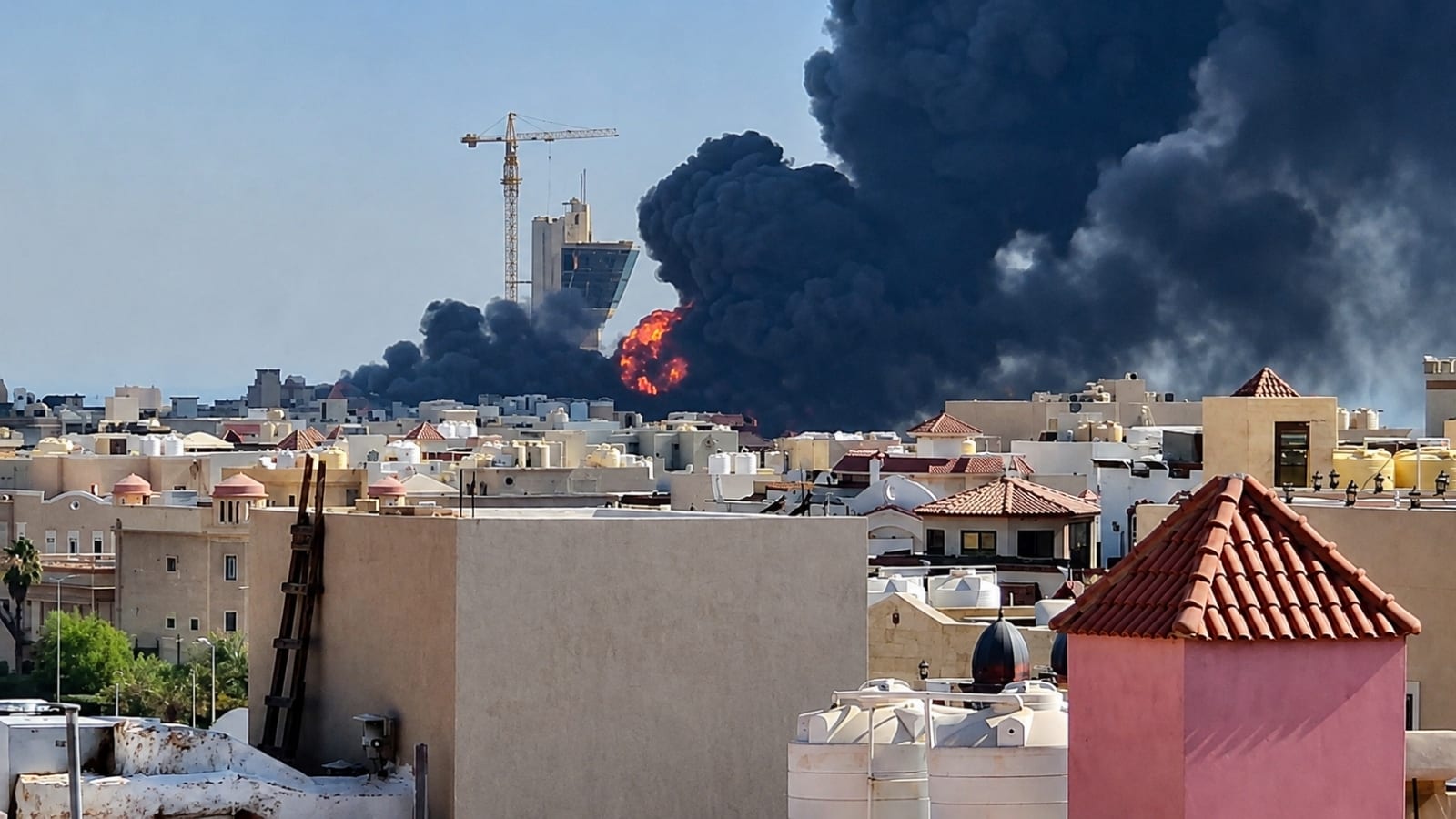
Recent reports indicate Iran deployed IRGC commanders and military equipment to Yemen via a Mahan Air flight on July 13. This move aims to bolster Houthi capabilities in threatening Red Sea shipping routes.
Escalation in the Red Sea: The Iranian-Houthi Strategic Alignment
Recent reports confirm a significant escalation in the Middle East as Iran allegedly transported Islamic Revolutionary Guard Corps (IRGC) commanders, military advisers, and specialized missile and drone components into Yemen. This operation, carried out via a Mahan Air flight on July 13, signals a calculated effort by Tehran to enhance the operational capacity of the Houthi movement. By providing both human expertise and advanced military hardware, Iran appears to be directly influencing the security architecture of the Red Sea.
The Operational Shift: From Sanaa to Hodeidah
The logistical details of the July 13 flight underscore the volatility of the region. Originally intended to land in the Houthi-controlled capital of Sanaa, the aircraft was forced to divert to the Red Sea port of Hodeidah following an attack on the Sanaa airport by the Saudi-backed Yemeni government. This diversion highlights the precarious nature of supply lines in the conflict and suggests that the IRGC's presence is becoming increasingly embedded within Hodeidah’s maritime-focused infrastructure.
Strategic Objectives and Military Support
According to sources, the flight carried between 10 and 21 IRGC personnel, including high-ranking commanders tasked with training Houthi forces on new missile systems. Beyond the technical support, the inclusion of financial aid—specifically gold—indicates a comprehensive effort to sustain Houthi operations. This support is clearly aimed at refining the Houthis' ability to disrupt global trade routes, specifically targeting commercial shipping in the Red Sea, which is a critical artery for international commerce.
Regional and Global Implications
The involvement of the IRGC in this capacity suggests a shift toward more sophisticated asymmetric warfare. By equipping the Houthis with advanced drone and missile technology, Tehran is effectively projecting power through a proxy, allowing it to exert pressure on international maritime security without direct conventional engagement. This dynamic complicates the efforts of regional actors and global powers to stabilize the Red Sea, as the Houthis now possess enhanced capabilities to challenge naval vessels and merchant ships alike.
Future Trends and Security Outlook
Looking ahead, the integration of IRGC personnel and advanced weaponry into Houthi operations likely foreshadows a period of heightened maritime instability. As the Houthis gain proficiency in using these new systems, the risk of miscalculation or significant damage to global shipping increases. The international community, particularly nations reliant on the Red Sea trade route, will likely face mounting pressure to address the source of this military proliferation. The persistence of these supply lines remains the primary variable in determining the future intensity of the Red Sea blockade and the broader Yemeni conflict.