"Don't Play With Fire": Iran Warns Of Undersea Cable Attacks If War Resumes
Source Entity
NDTV News Search Records Found 1000
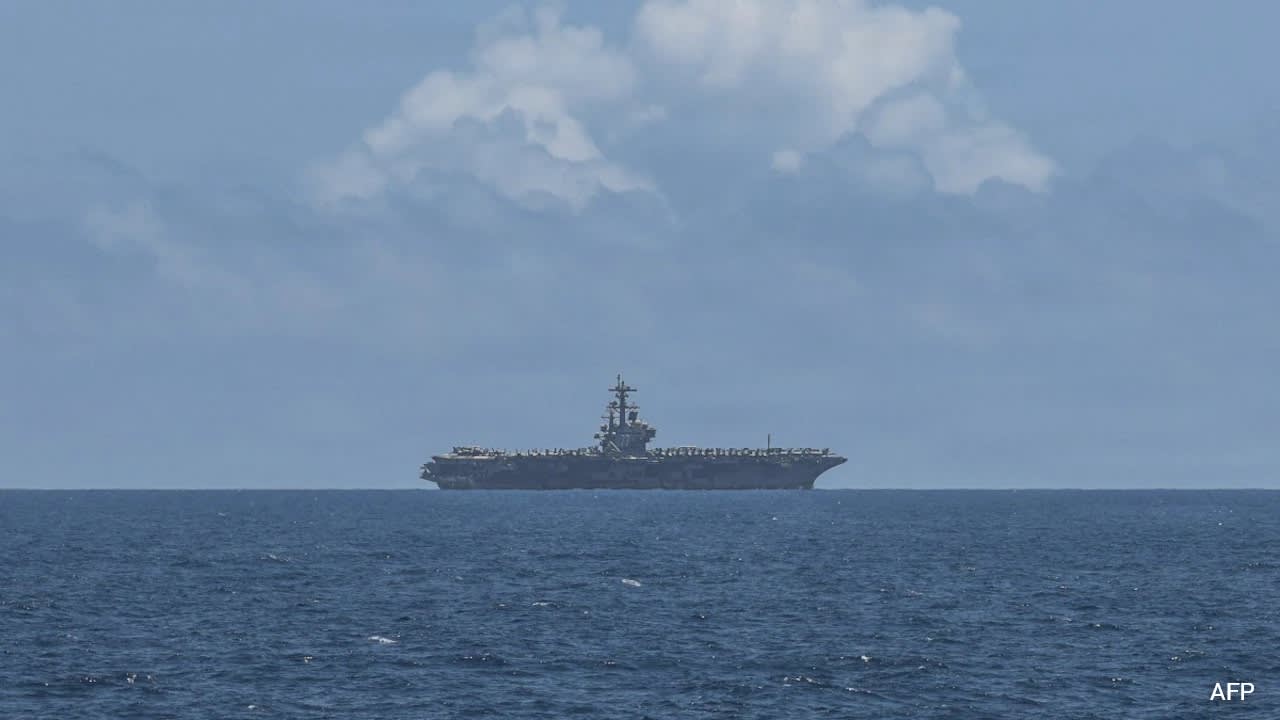
Iranian officials have issued explicit warnings that they possess plans to target critical undersea internet cables and digital infrastructure in the Gulf. This escalation strategy, intended to deter US and Israeli military strikes, threatens to cripple regional connectivity and economic operations.
The Weaponization of Digital Infrastructure: Iran’s New Strategic Threat
Recent reports indicate a significant shift in Iranian military doctrine, moving from traditional asymmetric warfare toward the direct targeting of global digital infrastructure. Iranian officials, including Islamic Revolutionary Guard Corps (IRGC) Deputy Yadollah Javani, have explicitly stated that the nation has developed detailed plans to sabotage undersea internet cables located beneath the Strait of Hormuz. This development signals a transition from warning against military strikes on Iranian soil to threatening the very backbone of the global digital economy.
Targeting the Strait of Hormuz
The Strait of Hormuz serves as one of the world’s most critical maritime chokepoints. By identifying seven major internet cables running through this narrow waterway as potential targets, Tehran is attempting to exert leverage over the international community. The strategic significance of these cables cannot be overstated; they facilitate the vast majority of data traffic, financial transactions, and cloud computing operations for the entire Gulf region. Any successful sabotage in this area would effectively isolate regional economies from the global digital grid.
Disrupting the Repair Cycle
Beyond the initial act of cutting the cables, the threat includes a proactive strategy to prevent repair crews from restoring connectivity. By potentially enforcing a 'no-go' zone for maintenance vessels or creating high-risk environments through kinetic threats, Iran aims to ensure that the damage remains long-term. This suggests that the objective is not merely a temporary disruption but a sustained collapse of digital services, which would exponentially increase the economic and social fallout of a military conflict.
Broader Implications for Global Stability
This rhetoric expands the scope of potential conflict beyond traditional military bases to include data centers and artificial intelligence facilities. By threatening these sites, Iran is signaling that the 'killing field' it envisions for US troops is also a digital battlefield. The involvement of regional proxies, such as the Houthis in the Red Sea, potentially expands the theater of operations even further, suggesting a coordinated effort to disrupt maritime and digital logistics simultaneously.
Economic and Security Consequences
The economic ramifications of such an attack would be severe. Modern e-commerce, banking, and government communications rely entirely on these submarine lines. If multiple cables are severed, the resulting spike in insurance costs for maritime repair vessels—coupled with the sheer physical danger of operating in a war zone—would likely delay restoration efforts for weeks or months. This would lead to a cascade of failures in regional business operations and state-level digital security.
Conclusion: A New Era of Asymmetric Deterrence
Ultimately, these warnings represent a sophisticated, if alarming, evolution of Iran’s deterrence strategy. By threatening the infrastructure that powers the modern Gulf economy, Tehran is attempting to raise the cost of any potential military intervention by the United States or Israel to an unacceptable level. Whether this remains a rhetorical tool or manifests as a kinetic reality, it highlights the increasing vulnerability of global communications to state-sponsored sabotage in an era of heightened geopolitical tension.
Verification Required?