IRGC drops bombshell before US midterms: Hormuz now 100% close, missiles more deadly & longer range?
Source Entity
Latest News: Todays Latest News Headlines from India & World | Hindustan Times | Hindustan Times
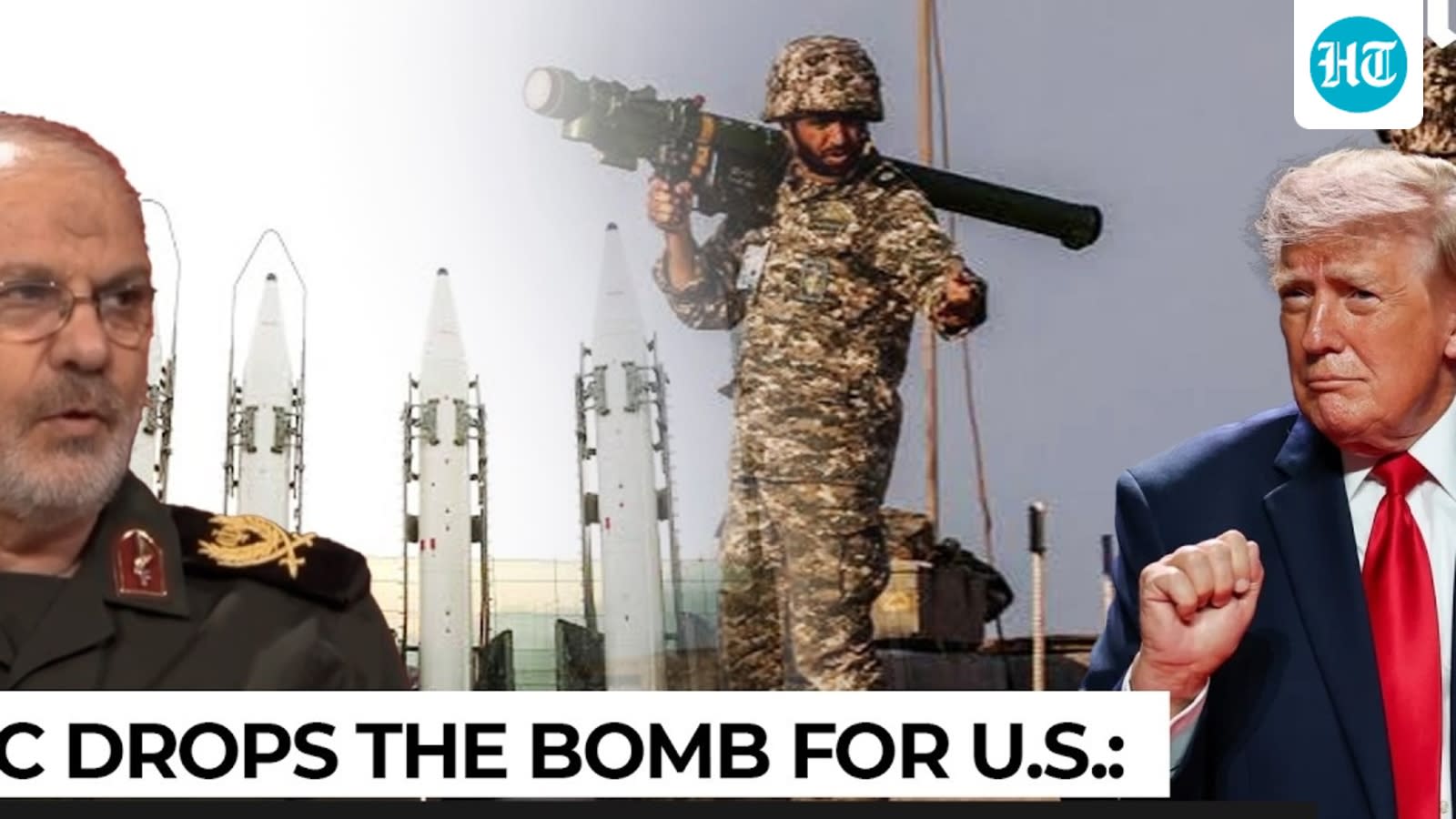
The IRGC has declared the Strait of Hormuz closed to US and Israeli-linked vessels, citing advancements in their missile technology. This escalation, timed near US midterms, reflects a strategy of permanent deterrence and regional military expansion.
Tensions Surge in the Strait of Hormuz
The recent declaration by Iran’s Islamic Revolutionary Guard Corps (IRGC) regarding the total closure of the Strait of Hormuz to specific international vessels represents a significant escalation in regional maritime security. By explicitly targeting US warships and Israeli-linked cargo, the IRGC is signaling a shift toward more aggressive enforcement of its geopolitical boundaries. This maneuver, announced by spokesperson Hossein Mohebbi, challenges the international status quo of the Strait, which remains one of the most critical maritime chokepoints for global energy supplies.
Advancements in Missile Capabilities
At the heart of this announcement is the assertion that Iran’s missile arsenal has undergone a qualitative transformation. The IRGC claims that these weapons are now more powerful, precise, and significantly harder to intercept than previous iterations. This focus on enhanced strike capabilities is framed by Tehran as a strategy of 'permanent deterrence.' By emphasizing the technological sophistication of their systems, the IRGC aims to complicate the calculus for naval commanders operating in the Persian Gulf, forcing a re-evaluation of defensive postures in the region.
Strategic Timing and Geopolitical Context
The timing of these remarks—coinciding with the period surrounding US midterm elections—suggests a calculated effort to influence international perception and domestic political discourse. By creating a high-stakes maritime crisis, the IRGC seeks to project strength and resolve during a time of perceived political vulnerability in the West. This strategy attempts to leverage regional volatility to force diplomatic concessions or to draw attention away from domestic pressures within Iran.
The Doctrine of Regional Expansion
The IRGC’s warning that military operations could expand beyond the Strait of Hormuz indicates a broader shift in doctrine. Rather than containing their reach to immediate coastal waters, the IRGC is signaling a readiness to project power across a wider geographic theater. This expansionist rhetoric is intended to signal to regional adversaries that their maritime and security interests are increasingly exposed to Iranian military reach, thereby testing the limits of international maritime law and freedom of navigation.
Future Trends and Global Implications
Looking ahead, the international community faces a complex dilemma. The assertion of 'permanent deterrence' implies that Iran will continue to prioritize the development of anti-access and area-denial (A2/AD) capabilities. If these claims regarding missile precision hold true, it poses an increased risk to global trade routes and naval operations. Future trends will likely involve increased naval presence from international coalitions to ensure the freedom of navigation, potentially leading to a persistent state of 'grey-zone' conflict in the Persian Gulf.
Conclusion
In summary, the IRGC’s declaration serves as a stark reminder of the fragile security environment in the Middle East. By blending technological claims with aggressive maritime policy, Iran is attempting to redefine the rules of engagement in the Strait of Hormuz. As global powers monitor these developments, the focus will remain on whether these threats manifest into direct kinetic actions or remain part of a sophisticated psychological and strategic posturing campaign.
Verification Required?