In Israel, no coalition may last too long
Source Entity
R Swaminathan
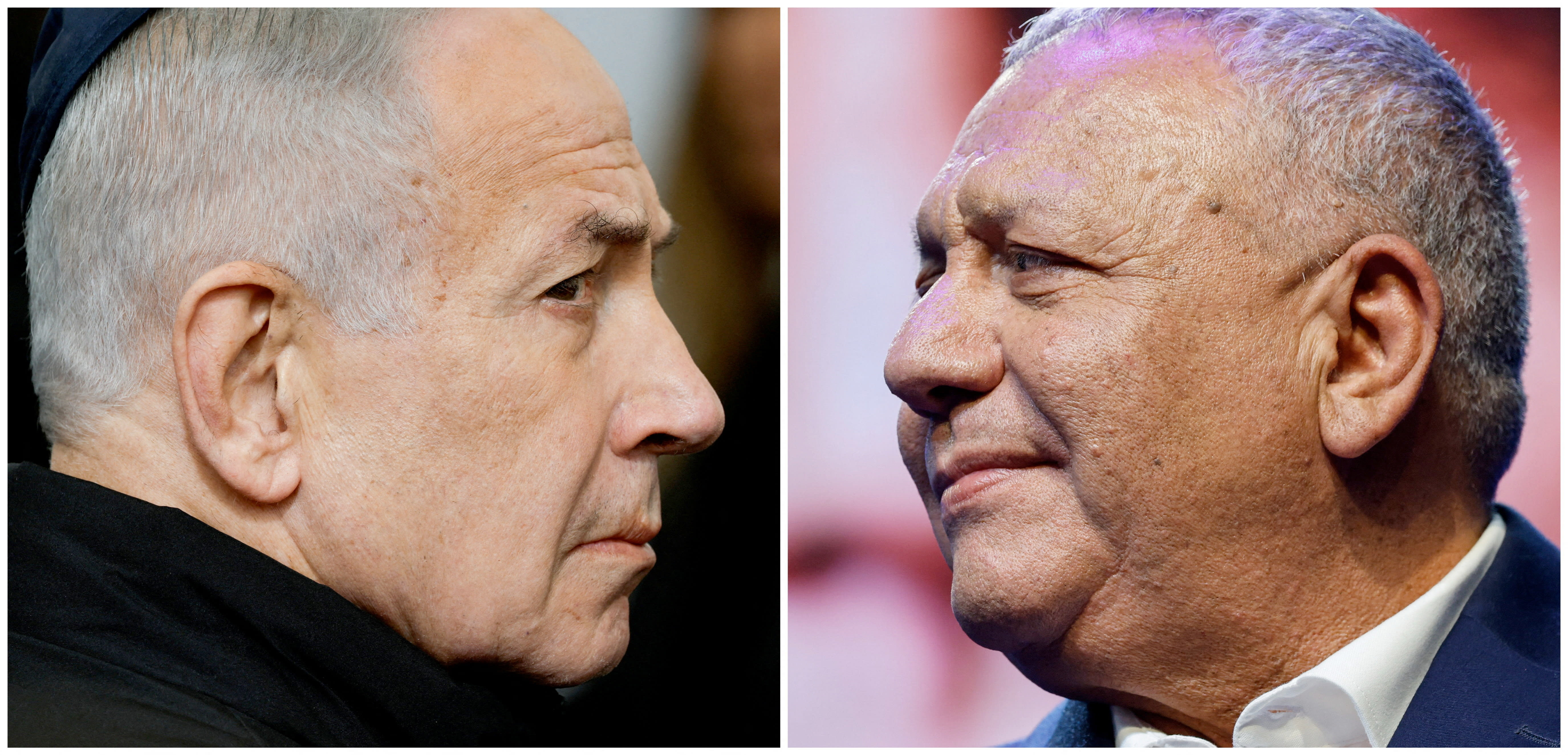
Israel faces a political impasse following a 2026 hung parliament, with both Benjamin Netanyahu and Gadi Eisenkot failing to secure a majority. The outcome hinges on potential coalition arrangements, with Arab-led parties holding significant influence despite resistance from major political blocs.
The 2026 Israeli Political Impasse: A Deep Dive
The Anatomy of a Hung Parliament
The 2026 Israeli general election has culminated in a significant political stalemate, characterized by a hung parliament where no single coalition has successfully bridged the gap to reach the required majority in the Knesset. The primary contest between incumbent Prime Minister Benjamin Netanyahu’s bloc and the opposition coalition led by former military chief Gadi Eisenkot has left the nation in a state of governing uncertainty. With the Likud party securing 27 seats as the single largest party, Netanyahu maintains a claim to the premiership, yet the mathematical reality of the chamber prevents a straightforward path to power.
The Strategic Role of Arab-Led Parties
A critical factor in this legislative gridlock is the performance of Arab-led factions, including the Joint List and Ra’am, which collectively hold 19 seats. These parties effectively serve as the 'kingmakers' of the current Knesset, holding the balance of power necessary to tip the scales for either major bloc. However, the path to a functional government is complicated by ideological barriers; Eisenkot and other opposition leaders have historically ruled out formal cooperation with these factions, while Netanyahu has explicitly called for a 'broad national government' that excludes them entirely.
Challenges to Coalition Building
As the political landscape remains fractured, factions are forced to weigh high-stakes alternatives. The prospect of a unity government—a traditional, albeit often strained, mechanism for resolving parliamentary deadlocks in Israel—remains on the table. Such an arrangement would require unprecedented compromises between Netanyahu and his rivals. Alternatively, the possibility of a minority government supported by outside parties presents its own risks, specifically regarding the stability of legislative agendas and the threat of early elections should the supporting coalition partners withdraw their backing.
Netanyahu’s Stance and Opposition Resistance
Benjamin Netanyahu’s insistence that he should lead a broad coalition is predicated on his party’s status as the largest in the legislature. By attempting to bypass the need for Arab-led parties, he is signaling a preference for a right-leaning or centrist-right alignment that avoids the concessions often demanded by smaller or ideological minority partners. Conversely, the opposition’s refusal to engage with certain factions highlights a deep-seated ideological divide that continues to paralyze the legislative process and complicates the President’s role in tasking a candidate with government formation.
Future Trends and Political Stability
The future of Israeli governance hinges on whether the political class can move past the current exclusionary rhetoric. If both Netanyahu and Eisenkot remain unable to form a stable majority, Israel risks entering a cycle of political instability, potentially leading to additional elections. The reliance on delicate coalition math suggests that any government formed under these conditions will likely be fragile, susceptible to internal disputes, and limited in its ability to pass long-term policy reforms. Observers will be closely watching for any shift in the opposition's stance toward Arab-led parties or a potential softening of Netanyahu's coalition requirements.