What does Israel's election mean for Gaza and the wider world?
Source Entity
BBC News
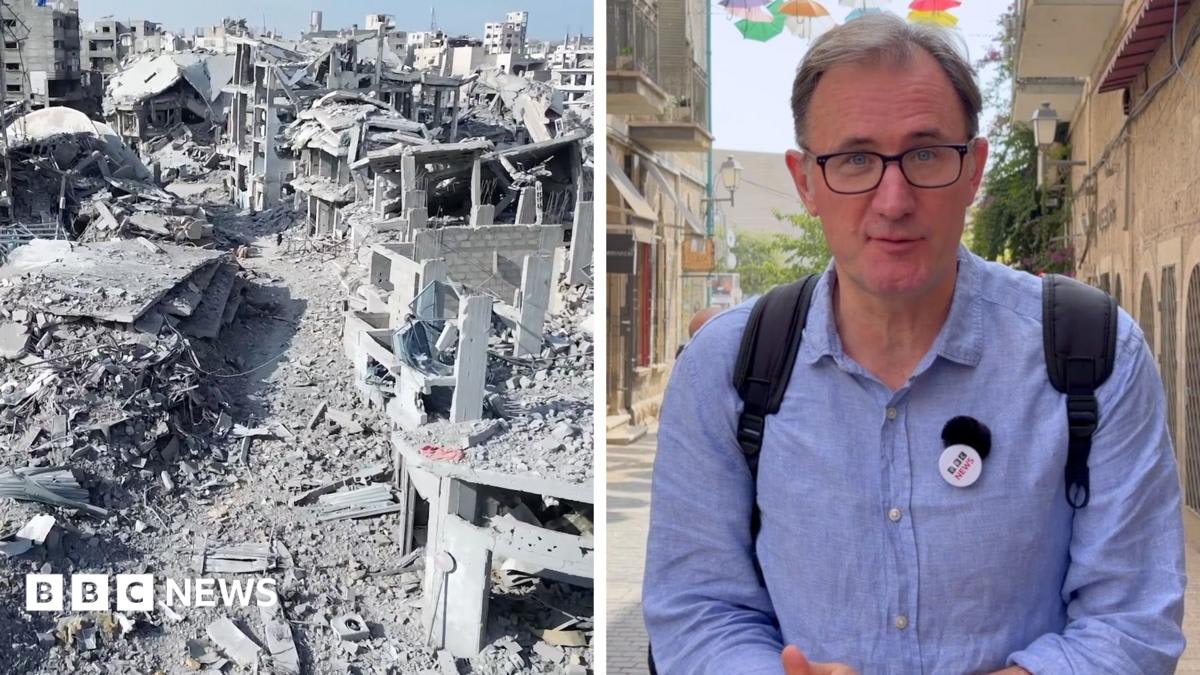
Israel faces a pivotal election on October 27, where Prime Minister Benjamin Netanyahu’s long-standing political dominance is being challenged by former army chief Gadi Eisenkot. The contest centers on national security concerns following the October 7 attack and potential shifts in Israeli leadership.
The High-Stakes October 27 Israeli Election
Israel stands at a political crossroads as the nation prepares for a defining election on October 27. The upcoming vote represents a critical juncture for Prime Minister Benjamin Netanyahu, whose long-held tenure is facing an unprecedented challenge. With the political landscape shifting, the election is being framed by both sides as a struggle for the nation's future, with Netanyahu describing the situation as an "emergency" and a "matter of life or death" for the Israeli right.
The Security Narrative and Netanyahu’s Legacy
Benjamin Netanyahu, widely known as "Bibi," has spent his career cultivating the image of "Mr. Security." This branding has historically been his most effective tool in securing voter support. However, the unprecedented Hamas attack on October 7, 2023, has severely damaged this perception. The ensuing conflict, which expanded to include confrontations with Hezbollah in Lebanon, has forced a national reckoning regarding security failures and the accountability of the current administration. Netanyahu’s campaign now relies heavily on attempting to reclaim this mantle of security as the only viable path forward for the country.
The Rise of Gadi Eisenkot
Emerging as the primary threat to Netanyahu’s coalition is Gadi Eisenkot, a former head of the Israeli army. Eisenkot, 66, has seen his political profile rise dramatically; polls that once placed him in the single digits now suggest his Yashar party could secure 20 to 23 seats in the 120-member Knesset, potentially outperforming Netanyahu’s Likud party. As a son of Moroccan immigrants, an election victory for Eisenkot would mark a historic milestone, as he would become Israel’s first Mizrahi prime minister.
Parliamentary Arithmetic and Coalition Challenges
Despite the momentum behind Eisenkot, the Israeli electoral system remains notoriously complex. Current polling indicates that neither Netanyahu’s bloc nor the opposition coalition led by Eisenkot is currently on a clear path to achieving the 61-seat majority required to form a government. This suggests that even after the votes are counted, the country may face a period of intense coalition negotiations, highlighting the deep fragmentation within the current Israeli political landscape.
Broader Implications for Israeli Governance
This election is not merely a contest between two individuals; it is a referendum on the direction of Israeli policy. The clash between Netanyahu’s traditional base and the challenge posed by the Yashar party reflects broader societal tensions. The focus on security, combined with the shifting demographics and political aspirations represented by candidates like Eisenkot, signals that the outcome will have lasting consequences for Israel's domestic stability and its approach to regional conflicts.
Conclusion: A Nation Decides
As the October 27 deadline approaches, the Israeli public is tasked with deciding between the continuity offered by Netanyahu and the alternative vision proposed by Eisenkot. The outcome will likely influence the government's response to ongoing security threats and determine whether the current political status quo is maintained or dismantled. Ultimately, the election will serve as a definitive test of public confidence in the leadership that has dominated the Israeli political scene for decades.
Multiple Citing Sources