Opening in Baku should encourage Delhi’s exploration of changing Eurasian landscape
Source Entity
C. Raja Mohan
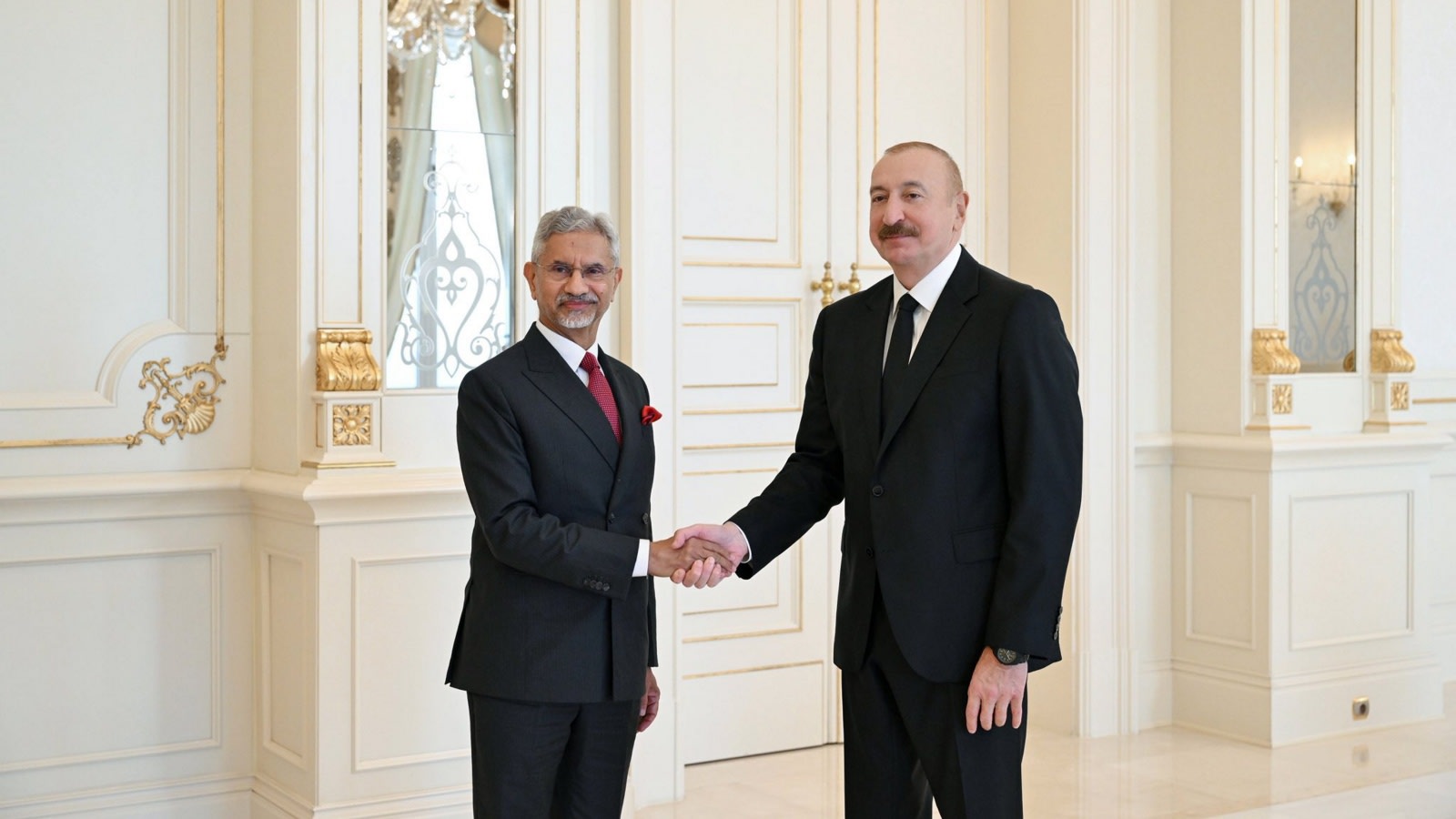
External Affairs Minister S. Jaishankar’s recent visit to Baku signals a strategic recalibration in India-Azerbaijan relations. This shift highlights how national interest can override historical geopolitical alignments in a complex Eurasian landscape.
A Strategic Pivot in Eurasia: Analyzing the Baku Reset
External Affairs Minister S. Jaishankar’s recent diplomatic mission to Baku marks a significant turning point in India’s engagement with Azerbaijan. After a period of strained relations, this high-level visit indicates a deliberate effort by New Delhi to reset ties, demonstrating that even long-standing diplomatic frostiness can be thawed through pragmatic, interest-driven dialogue. This development echoes recent diplomatic maneuvers elsewhere, such as the shifting dynamics with Canada, proving that India is increasingly prioritizing statecraft over the static perceptions often held by the public.
The Erosion of Rigid Geopolitical Blocs
The most compelling aspect of this engagement is its potential to disrupt the narrative of rigid regional alliances. For years, observers often categorized Turkey, Azerbaijan, and Pakistan as a unified strategic bloc, a perception that gained significant traction following the 2021 Islamabad Declaration. That document, which explicitly backed Pakistan’s stance, created a clear diplomatic friction point for India. However, the recent success in Baku suggests that the 'bloc' mentality is not an immutable law of international relations, and that individual national interests can successfully decouple from collective agendas.
Nationalism vs. Religious Affiliation
Historically, observers often predicted that religious and ethnic ties would dictate the foreign policy of Eurasian states. Yet, the current rapprochement suggests that nationalism and domestic self-interest remain the primary drivers of policy. By engaging Azerbaijan directly, India is bypassing the limitations imposed by the perceived 'hostile bloc' framework. This indicates a maturing of India’s foreign policy, where the government is willing to engage with partners on a bilateral basis, irrespective of the partner's historical affiliations with India's regional rivals.
Implications of the 'Op Sindoor' Context
Public sentiment regarding these nations hardened significantly during the events surrounding 'Op Sindoor' in May 2025. This period created a psychological barrier in the Indian public consciousness, cementing the view of Azerbaijan as an adversary. By pursuing this reset, the Ministry of External Affairs is challenging that domestic narrative, suggesting that the complexities of the Eurasian landscape require a more fluid and less dogmatic approach to diplomacy than what the public might demand during periods of crisis.
Future Trends in Eurasian Diplomacy
Looking forward, India’s willingness to open doors in Baku suggests a broader trend of proactive diplomacy. As the Eurasian landscape continues to evolve, New Delhi is clearly signaling that it will not be confined by past animosities. By focusing on areas of mutual benefit, India aims to secure its strategic interests in a region historically dominated by larger powers or rigid alliances. The success of this reset will likely depend on whether this bilateral momentum can be sustained despite the lingering influence of Pakistan’s regional ambitions.
Conclusion: The Pragmatism of New Delhi
In conclusion, the reset with Azerbaijan is a masterclass in modern, interest-based diplomacy. It underscores a shift away from ideological or religious groupings toward a model where India engages with every nation based on its own unique geopolitical value. This approach not only enhances India's maneuvering space in Eurasia but also serves as a reminder that in the arena of international relations, today's adversary can become tomorrow's pragmatic partner if the strategic incentives are correctly aligned.