Israel election exit polls show no clear winner as Netanyahu and rivals fall short of majority
Source Entity
PRISHA PATNAIK
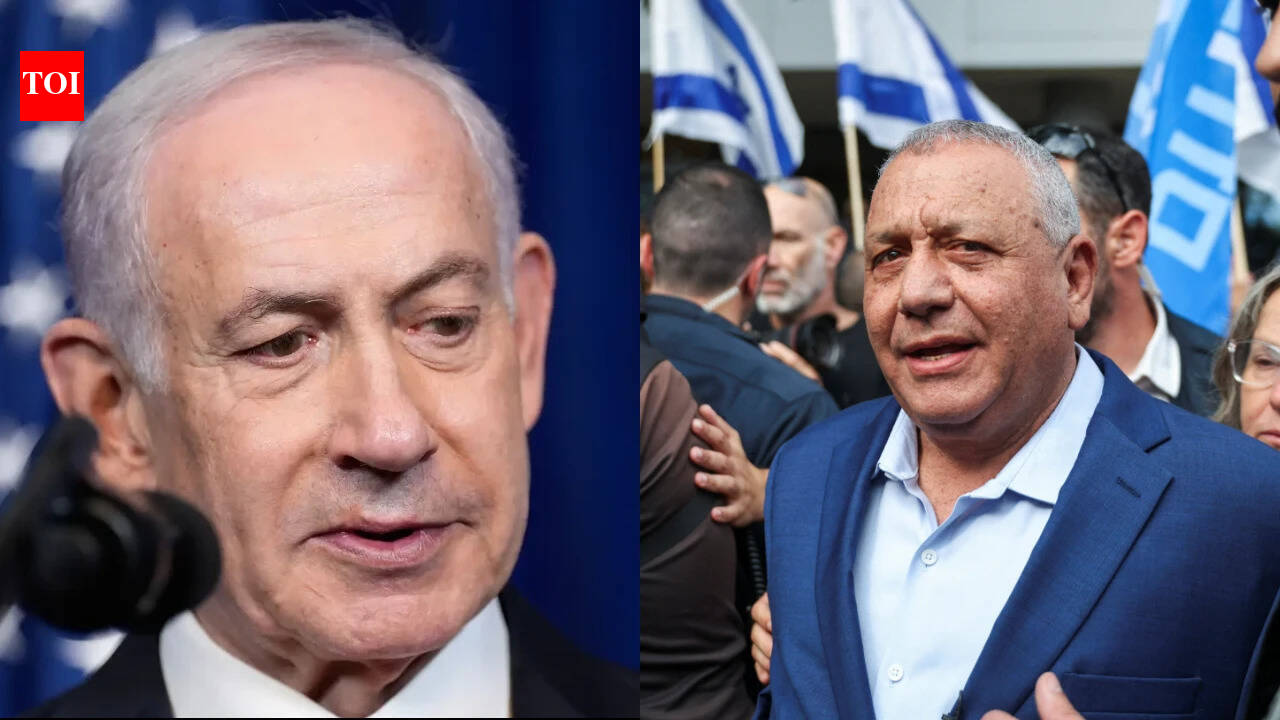
Israel faces a critical election stalemate as exit polls suggest neither Benjamin Netanyahu nor his rivals have secured a clear parliamentary majority. The outcome remains uncertain, reflecting deep political divisions and the lasting impact of the October 7 security failures.
The Israeli Political Stalemate: A Nation at a Crossroads
Israel’s recent electoral landscape has once again descended into uncertainty, with exit polls indicating that neither incumbent Benjamin Netanyahu nor his primary rivals have managed to secure a decisive parliamentary majority. This stalemate reflects a deeply fractured electorate grappling with competing visions for the country's future. As the nation awaits final tallies, the inability of any single bloc to claim a clear victory underscores the systemic instability that has characterized Israeli politics for several years, leaving the path forward for government formation precarious.
The Security Narrative and the 'Bibi' Brand
Central to this election cycle is the enduring political brand of Benjamin Netanyahu, often referred to as 'Mr. Security.' Throughout his long tenure, Netanyahu has consistently positioned himself as the only leader capable of navigating Israel’s complex security environment. However, this narrative faced an unprecedented challenge following the October 7, 2023, Hamas attack. The security failures associated with that day have forced a re-evaluation of Netanyahu's leadership, as voters weigh his decades of experience against the vulnerabilities exposed by the ongoing conflict.
High Stakes and Electoral Rhetoric
In a desperate bid to mobilize his base, Netanyahu characterized the election as an 'emergency' and a 'matter of life or death' for the Israeli right. This high-stakes rhetoric highlights the existential anxieties permeating the political discourse. By framing the election in such stark terms, Netanyahu attempted to rally supporters who fear that a loss would lead to a radical shift in the state's identity. This strategy was further compounded by his focus on massive Arab-Israeli turnout, which he leveraged to warn of potential threats to the character of the Jewish state, effectively deepening the polarization between different segments of society.
The Shadow of Conflict and Accountability
Beyond domestic political maneuvering, the backdrop of this election is defined by the ongoing wars on multiple fronts, including confrontations with Hezbollah in Lebanon and the broader regional repercussions of the October 7 attack. These conflicts have placed immense strain on the Israeli public and military, shifting the focus of the electorate toward immediate security concerns. The question of accountability for the government's failure to prevent the October 7 events remains a potent weapon for his rivals, who argue that the current administration has compromised the safety of the nation.
Future Implications and Political Stability
Looking ahead, the lack of a clear winner suggests that Israel may be headed toward a period of prolonged coalition negotiations or even a repeat of the cycle of frequent elections that has plagued the country's governance. The political survival of Benjamin Netanyahu now rests on his ability to forge alliances in a hostile legislative environment, while his opponents must overcome their own internal divisions to form a viable governing coalition. Regardless of the final outcome, the events of this election cycle indicate a fundamental shift in the Israeli public's tolerance for political gridlock, as the nation balances the need for security with the demand for accountability in an era of heightened regional instability.
Multiple Citing Sources