King acknowledges 'suffering of the past' as Caribbean tour begins
Source Entity
BBC News
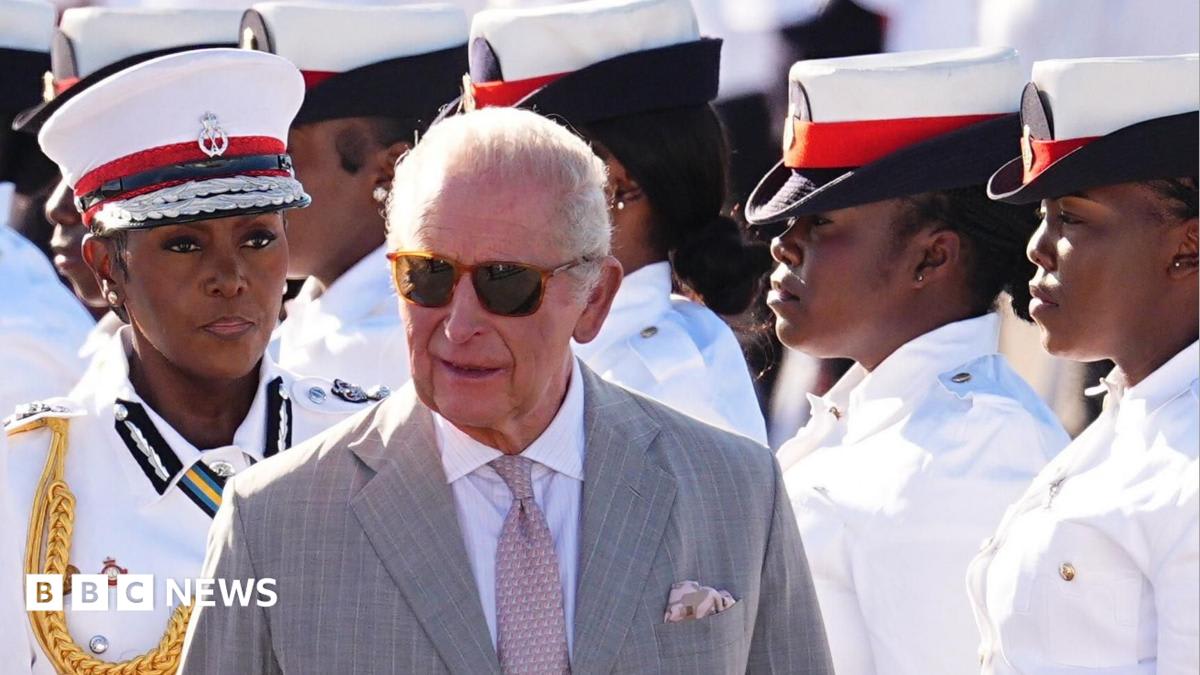
King Charles III has arrived in the Bahamas for a nine-day Caribbean tour focused on addressing the legacy of the slave trade and climate change. While acknowledging past suffering, the monarch will not offer formal apologies or reparations, aligning with the UK government's stance.
A Diplomatic Balancing Act: The King’s Caribbean Tour
King Charles III has officially commenced a high-stakes nine-day tour of the Caribbean, marking his first visit to the region as monarch. Arriving in the Bahamas to a ceremonial welcome from Governor General Dame Cynthia A. Pratt and Prime Minister Philip Edward, the King’s journey is set against a backdrop of complex historical reckonings. The tour, which encompasses the Bahamas, Guyana, and Antigua and Barbuda, serves as a critical test for the British monarchy's modern relationship with its former colonies.
Confronting a Colonial Legacy
At the heart of this visit is the contentious issue of Britain’s role in the transatlantic slave trade. Buckingham Palace has indicated that the King will not avoid the subject, intending to acknowledge the "great suffering of the past." This engagement comes amid intense public pressure from Caribbean nations for the United Kingdom to issue a formal apology and enter into discussions regarding reparations. However, the King’s approach remains strictly aligned with the UK government’s current position: he will offer an acknowledgment of history without providing an official apology or financial compensation.
Symbolism and Sovereignty
The weight of history was physically present during the King's initial engagements. By visiting Clifford Park in the Bahamas—the very site where the nation gained independence from British colonial rule in 1973—the King navigated a space that represents both the end of imperial control and the enduring ties of the Commonwealth. His interactions with the Royal Bahamas Defence Force and local youth highlight a desire to foster contemporary diplomatic relations, even as the shadow of the past complicates the narrative.
Climate Change and Commonwealth Leadership
Beyond the historical discourse, the tour serves a functional diplomatic purpose. The King, who is currently undergoing treatment for an undisclosed form of cancer, is using this platform to elevate the discourse on climate threats. As many Caribbean nations are low-lying islands, they are disproportionately affected by global environmental shifts. By centering this issue, the King aims to build common ground with Commonwealth leaders, particularly as he prepares to preside over the Commonwealth Heads of Government Meeting (CHOGM) in Antigua and Barbuda.
The Future of the Commonwealth
As the tour progresses from the solo visits in the Bahamas and Guyana to the joint appearance with Queen Camilla in Antigua and Barbuda, the focus will shift toward the future of the Commonwealth. The summit will act as a crucible for these discussions, where the King must balance his role as a symbolic head of state with the evolving demands of sovereign nations. Whether this visit succeeds in softening the calls for reparations or simply highlights the chasm between royal tradition and modern expectations remains to be seen, but it is clear that the monarchy's influence in the region is undergoing a significant, and perhaps necessary, transformation.
Multiple Citing Sources