European diplomats attacked by Israeli settlers in West Bank
Source Entity
BBC News
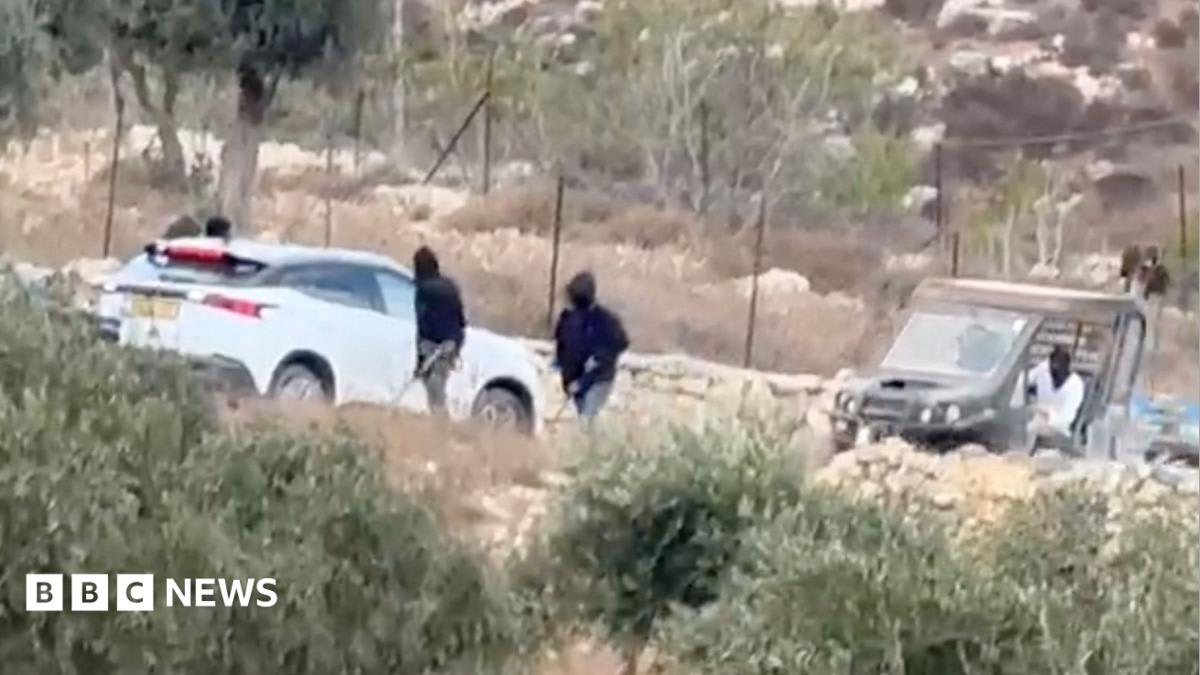
European diplomats and a French mayor were attacked by masked Israeli settlers in the West Bank during a volatile olive harvest season. While the IDF condemned the violence, Prime Minister Netanyahu's office characterized the reports as a potential smear campaign, raising diplomatic tensions.
Escalating Violence in the West Bank
The recent assault on a diplomatic delegation in the Taybeh area of the occupied West Bank marks a significant escalation in the ongoing regional instability. During a period already characterized by heightened tensions surrounding the annual olive harvest, masked Israeli settlers targeted vehicles belonging to officials from France, Belgium, and Poland, as well as representatives from the Catholic Church. This event is not an isolated incident but rather a symptom of the increasingly volatile environment that has plagued the region throughout this harvest season.
The Human Cost of the Harvest
The olive harvest, traditionally a vital economic and cultural pillar for Palestinians in the West Bank, has transformed into a dangerous flashpoint. Reports indicate that this season has seen a marked increase in violent confrontations. Just one day prior to the attack on the diplomats, a separate incident saw Palestinian harvesters and a Washington Post photographer, Heidi Levine, injured in a similar settler-led assault. These recurring attacks highlight the precarious nature of daily life for both local Palestinians and international observers in the territory.
Official Responses and Diplomatic Friction
The international reaction was swift, with Belgium leading calls for Israel to hold the perpetrators accountable for the attack on its consul general and other envoys. The Israel Defense Forces (IDF) issued a formal condemnation of what they termed a "severe act of violence," stating that an investigation is currently underway. However, the internal Israeli political response has been markedly different, revealing deep fractures regarding how such incidents are perceived and managed by the state.
Political Disagreement and the 'Smear' Narrative
Prime Minister Benjamin Netanyahu’s office has cast doubt on the events, suggesting that the reports of the attack may be part of a "coordinated campaign to smear Israel." By claiming there is a lack of "compelling evidence," the Prime Minister’s office has effectively challenged the accounts provided by the European diplomats and the visual documentation emerging from the Taybeh area. This rhetoric complicates the diplomatic landscape, as it pits the testimonies of European allies against the official stance of the Israeli government.
Broader Implications for International Relations
This incident threatens to strain Israel's relations with its key European partners. When diplomatic immunity is disregarded and foreign officials are physically targeted, it necessitates a recalibration of how international missions operate within the West Bank. The persistence of these attacks, coupled with the official skepticism from the Prime Minister's office, suggests that the cycle of violence is becoming increasingly difficult to contain through traditional diplomatic channels.
Future Trends and Outlook
Looking ahead, the situation in the West Bank remains fragile. If the trend of targeting both local harvesters and international observers continues, it is likely that European nations will increase pressure on the Israeli government to enforce stricter security measures against settler violence. Without a clear commitment to accountability and a de-escalation of the rhetoric surrounding these events, the West Bank is poised to remain a center of intense friction, potentially leading to further diplomatic fallout and continued instability for all parties involved.