India News Live Updates, 31 October 2026: Odisha shop owner shot dead in robbery bid; 3 juveniles among 9 held
Source Entity
The Indian Express
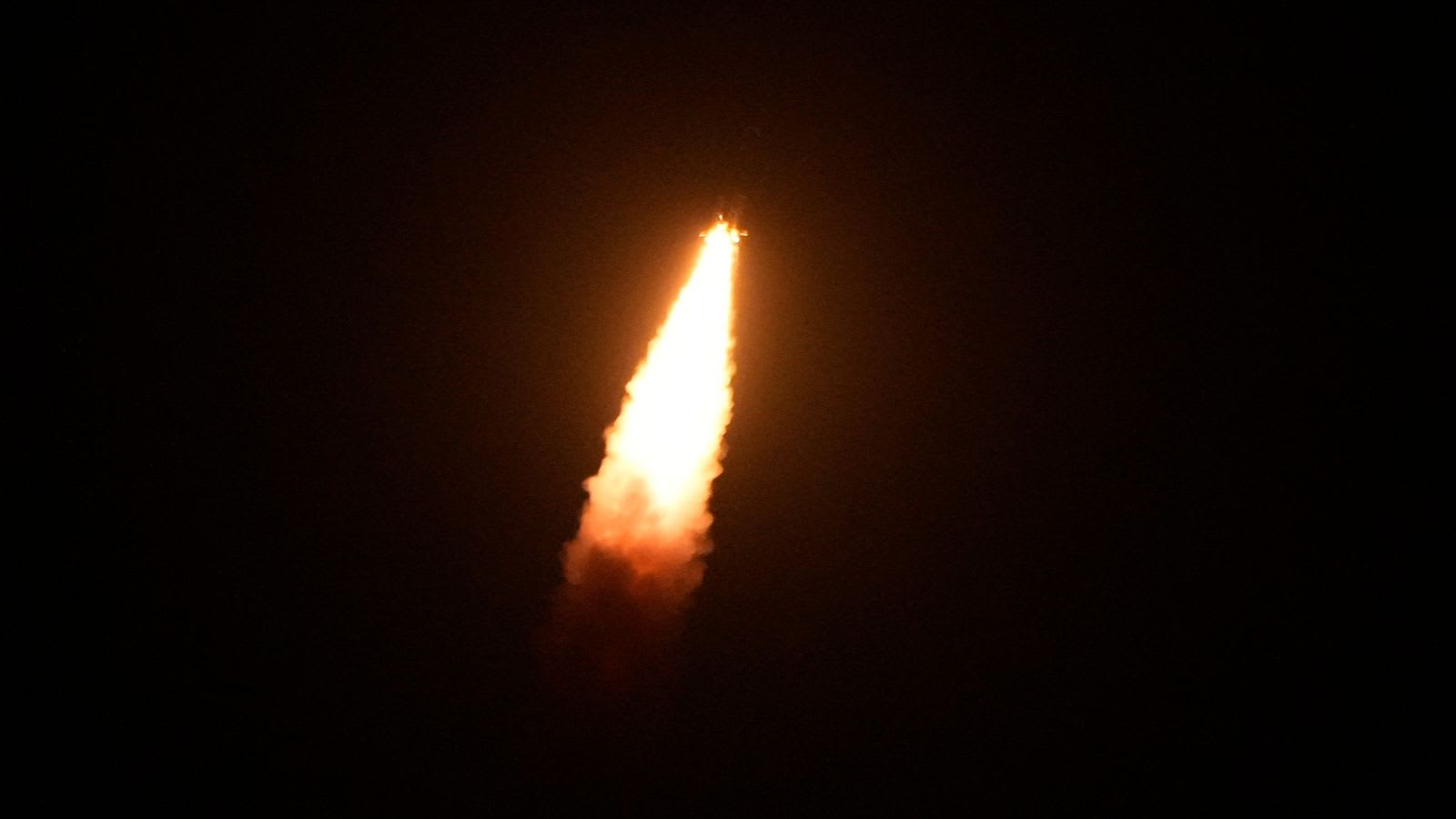
ISRO is set to launch the NVS-03 satellite to bolster India's indigenous NavIC navigation system. The mission aims to address critical atomic clock failures and reduce reliance on foreign GPS services.
The Strategic Necessity of NavIC
The upcoming launch of the NVS-03 satellite by the Indian Space Research Organisation (ISRO) represents a pivotal moment for India’s technological sovereignty. Originating from a government-approved program in May 2006, the NavIC (Navigation with Indian Constellation) system was envisioned as an indigenous alternative to foreign global positioning systems. The impetus for this development was rooted in the 1999 Kargil War, during which India faced significant challenges due to restricted access to external GPS data. By establishing an independent satellite-based navigation system, India aims to secure its strategic interests over the Indian landmass and its surrounding regions.
The Critical Role of Atomic Clocks
At the heart of the NavIC system lies the requirement for extreme precision, facilitated by onboard atomic clocks. These instruments are not merely for location tracking; they provide the standardized time signals essential for the synchronization of critical infrastructure. Financial institutions, stock exchanges, and the armed forces rely on these precise time stamps to maintain operational integrity. Any discrepancy in timekeeping can lead to significant systemic failures, making the reliability of these clocks a matter of national security.
Overcoming Technical Setbacks
The NavIC constellation has faced significant hurdles that have threatened its operational efficiency. Recent years have seen the system weakened by repeated failures of the atomic clocks aboard existing satellites, compounded by the unsuccessful placement of the NVS-02 satellite into its intended orbit. The NVS-03 mission is therefore critical, serving as a corrective measure to restore the functionality and reliability of the constellation. By placing this next-generation satellite into a Geosynchronous Transfer Orbit, ISRO aims to revitalize the network's performance.
Transitioning to Indigenous Timekeeping
Beyond navigation, India is making a concerted effort to decentralize its reliance on GPS for timekeeping. In June 2025, the government announced a transition toward using five indigenous atomic clock installations located in Guwahati, Bengaluru, Ahmedabad, Faridabad, and Bhubaneswar. This initiative to establish a sovereign source for Indian Standard Time is a major step toward technological self-reliance. Once fully operational, banks and businesses will be mandated to integrate with this domestic system, further insulating the Indian economy from external dependencies.
Future Trends and Strategic Implications
The launch of NVS-03 is more than a technical upgrade; it is a signal of India’s maturing space program. As ISRO continues to refine its 'Swadeshi' (indigenous) navigation capabilities, the nation is positioning itself to be less susceptible to the geopolitical vulnerabilities associated with foreign-controlled positioning systems. Looking ahead, the success of this mission will likely dictate the pace at which the government enforces the migration of commercial and military sectors to the NavIC framework, ensuring that India’s digital and physical infrastructure is anchored to a secure, domestic foundation.
Multiple Citing Sources