An Italian Farmer Found Some Unknown Seeds in His Attic and Planted Them
Source Entity
Hacker News
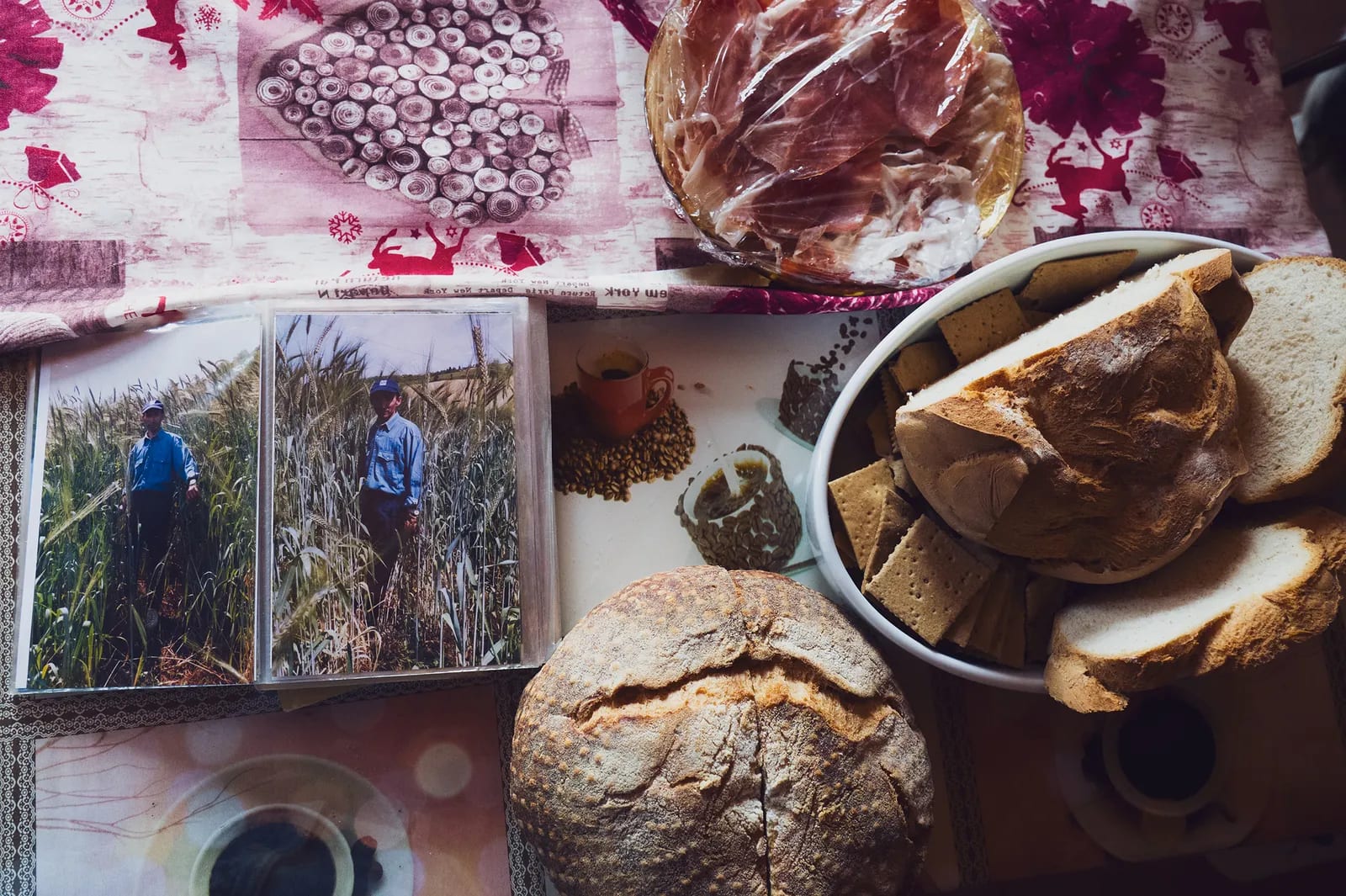
An Italian farmer named Claudio Grossi discovered heirloom seeds in his attic that had been stored for decades. Planting these seeds yielded a unique seven-eared grain stem, sparking interest in the potential of ancient crops to address modern agricultural challenges.
The Attic Discovery: Unearthing Agricultural History
In the early 1990s, Claudio Grossi, a farmer based in the Parma region of northern Italy, made an accidental discovery that would bridge a century of agricultural history. While cleaning his attic, Grossi found an unidentified sack of seeds left behind by his great-grandfather, who had established the family farmstead around 1915. With no clear identification of the contents, Grossi took the pragmatic step of planting them, an act that would eventually reveal a biological anomaly.
A Botanical Miracle: The Seven-Eared Stem
Upon germination, the crop displayed a highly unusual characteristic: a single stem bearing seven ears of grain. This phenomenon, which appeared almost biblical in its scale and structure, stood in stark contrast to modern, commercially bred wheat varieties that typically focus on singular, high-yield spikes. This discovery suggests that Grossi had inadvertently preserved a rare, perhaps forgotten, landrace variety of grain that had been cultivated on his family's land during the early 20th century.
The Importance of Heirloom Preservation
This incident highlights the critical value of seed banking and the preservation of heirloom varieties. Modern industrial agriculture has historically prioritized uniformity and high-input yields, often at the expense of the genetic diversity found in older, locally adapted landraces. By keeping these seeds dormant in his attic for decades, Grossi’s great-grandfather acted as an unintentional steward of genetic material that might have otherwise been lost to the homogenization of the global food supply.
Addressing Modern Agricultural Challenges
In the context of modern farming, where climate change and soil degradation pose existential threats to food security, the return of ancient grains is timely. Varieties that were successful in the early 1900s often possess hardier traits, including better drought resistance and resilience against regional pests, without the heavy reliance on synthetic fertilizers and pesticides that characterize contemporary monoculture. Grossi's experiment serves as a practical demonstration of how ancient genetic assets can provide solutions to modern sustainability issues.
Future Implications for Biodiversity
As researchers and agriculturists look toward the future, the integration of such rediscovered grains into current farming systems could prove vital. By cross-breeding or simply re-cultivating these ancient varieties, farmers may be able to diversify their crops, thereby reducing the vulnerability of the food system to single-pathogen outbreaks or climate-related failures. The 'seven-eared' grain is more than a curiosity; it is a potential blueprint for a more resilient and biologically diverse agricultural future.
Conclusion
The story of Claudio Grossi’s attic seeds serves as a poignant reminder that the answers to future agricultural crises may well be hidden in our own history. By preserving traditional seeds, farmers ensure that the genetic diversity of the past remains available to meet the unpredictable needs of the future. This accidental discovery in Parma is a testament to the enduring power of heritage crops to surprise, inspire, and potentially transform the way we approach sustainable cultivation.