Jadavpur University students use ex-PM Vajpayee’s remark to justify ‘Free Palestine’ graffiti
Source Entity
India Latest News: Top National Headlines Today & Breaking News | The Hindu
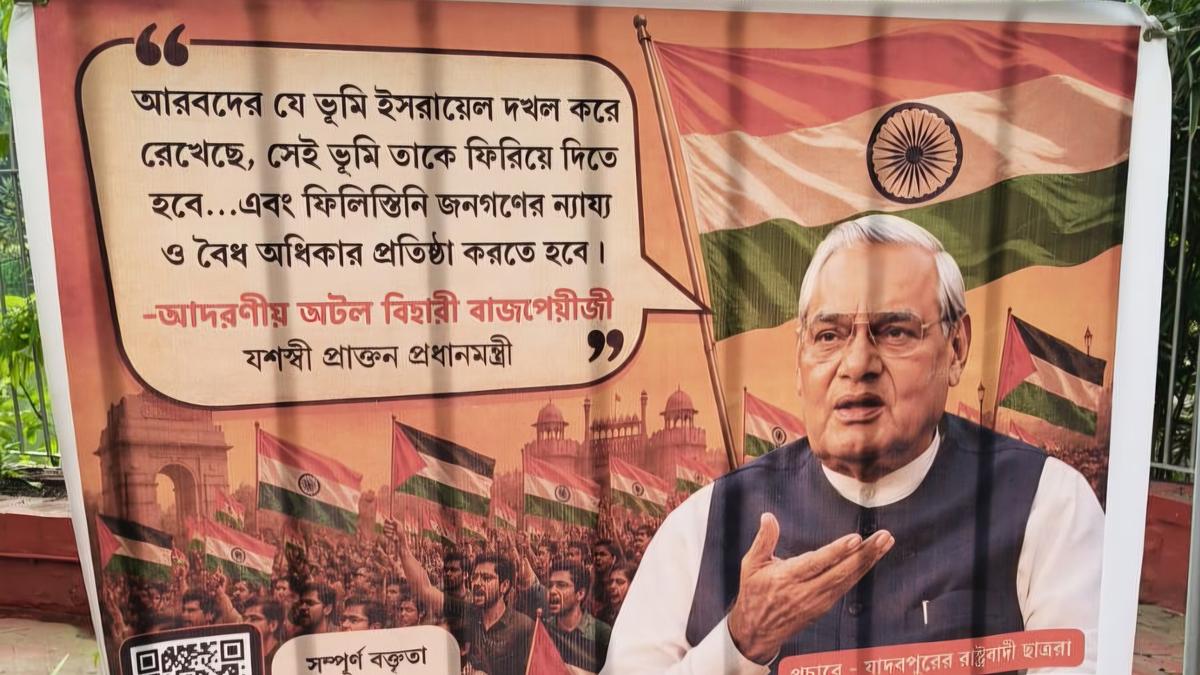
Jadavpur University students displayed a quote from former PM Atal Bihari Vajpayee supporting Palestinian rights to protest the removal of campus graffiti. This follows a directive from Chief Minister Suvendu Adhikari to clear the university walls of slogans deemed anti-national.
Campus Protests and the Legacy of Atal Bihari Vajpayee
Recent developments at Jadavpur University have ignited a significant debate regarding the intersection of historical political discourse and modern campus activism. On September 3, 2026, students utilized a direct quote from former Prime Minister Atal Bihari Vajpayee to defend their stance on Palestinian statehood. By highlighting Vajpayee’s historical assertion that Israel must vacate occupied Arab lands and restore the lawful rights of Palestinians, the students have strategically anchored their protest in the established foreign policy rhetoric of a foundational leader of the Bharatiya Janata Party.
The Context of Campus Censorship
This incident follows an aggressive administrative intervention on the Jadavpur University campus. Only a day prior to the students' action, university authorities conducted a mass removal of graffiti from campus walls. This sanitation effort was executed under direct orders from Chief Minister Suvendu Adhikari, who characterized the existing murals—which included slogans regarding Palestine, Kashmir, and anti-fascist sentiments—as 'anti-national.' The removal of these works represents a broader tension between administrative directives for campus decorum and the tradition of student-led political expression.
Reclaiming Political Narratives
By invoking the words of a former Prime Minister, the students are engaging in a sophisticated form of political defiance. By utilizing Vajpayee’s own words, the protesters challenge the 'anti-national' label applied to their advocacy for Palestine. This tactic forces observers to reconcile the current government’s branding of such slogans with the historical stance of one of their most celebrated icons. It effectively shifts the discourse from a debate about 'nationalism' to one about consistency in India's long-standing diplomatic principles.
The Role of Graffiti in Student Activism
Graffiti has long served as a vital medium for student movements in India, particularly at institutions like Jadavpur University that have a rich history of ideological debate. The administration's decision to whitewash these walls indicates a shift toward a more controlled campus environment. However, the students' rapid response—replacing paint with the authority of a former Prime Minister’s voice—demonstrates the resilience of campus dissent and the creative ways in which students navigate restrictive administrative environments.
Future Implications for Institutional Autonomy
As the administration continues to grapple with the directive from the Chief Minister, the event highlights a deepening divide between state political agendas and university autonomy. The use of Vajpayee’s quote serves as a litmus test for how the current administration will handle dissent that is framed within the party's own intellectual history. Moving forward, observers should expect continued friction as students find new ways to challenge directives that seek to limit the scope of political discourse on public university grounds.
Verification Required?