‘These kids have courage’: Parents rally behind students at Jantar Mantar
Source Entity
Tabshir Shams
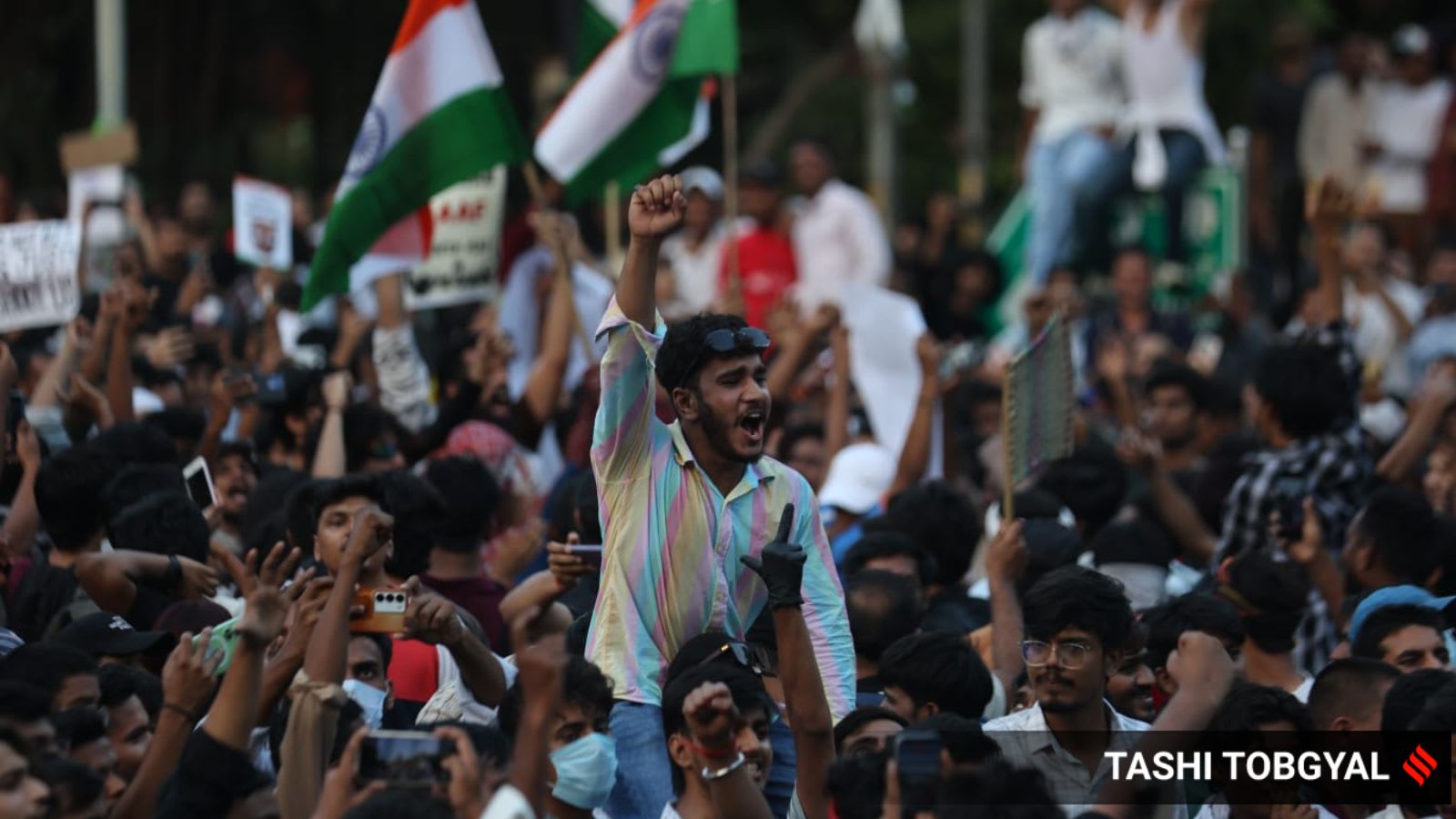
A large-scale, youth-led protest at Jantar Mantar continues to grow, demanding the resignation of Union Education Minister Dharmendra Pradhan. Despite ongoing negotiations between the Cockroach Janta Party and the government, protesters maintain a defiant stance amid widespread anxiety over unemployment.
The Jantar Mantar Stand-off: A Growing Tide of Dissent
The protest site at Jantar Mantar, New Delhi, has transformed into a focal point of national attention as thousands continue to gather in a display of persistent defiance. Despite the conclusion of activist Sonam Wangchuk’s hunger strike and a second round of negotiations between the Cockroach Janta Party (CJP) and the central government on July 24, 2026, the movement has shown no signs of dissipating. Instead, the crowds have swelled to such an extent that queues for the protest site stretched to the Janpath metro station, marking this as one of the most significant youth-led demonstrations in recent memory.
The Catalyst: Accountability and Education
At the heart of the agitation is a singular, focused demand: the resignation of Union Education Minister Dharmendra Pradhan. The movement has transcended a single demographic, drawing in a diverse coalition of lawyers, NGO workers, farmer unions, and concerned citizens from neighboring states like Madhya Pradesh. The presence of individuals like Satish Deshpande, who traveled long distances to ensure his voice was heard, underscores a deepening frustration with the current state of educational and employment policy in India.
The Gen Z Factor and Employment Anxiety
For many participants, the protest is not merely political but deeply personal. The narrative of 21-year-old engineering student Shivam, who attended the protest with his mother, highlights the pervasive anxiety gripping India’s youth. With engineering graduates finding themselves in precarious employment—often resorting to gig economy roles like delivery services—the fear of a bleak professional future has become a primary driver for mobilization. This economic insecurity is fueling a palpable anger that transcends traditional political party lines.
The Constitutional Framework of Dissent
As the agitation enters its second month, the discourse surrounding the protest has shifted toward the nature of democratic dissent. Intellectual and political commentary, including perspectives from figures like Ram Madhav, has emphasized that while the youth have a constitutional right to protest under Article 19(1)(a), this right is balanced by the need for discipline. This debate highlights the tension between the government’s expectation of order and the protesters' urgent need to be heard in a system that often feels unresponsive to the grassroots.
Future Trends and Political Implications
The momentum of the Jantar Mantar protest suggests a potential shift in how civil society engages with the state. By maintaining a critical mass of diverse stakeholders, the movement has forced the government into multiple rounds of talks, signaling that the administration cannot easily dismiss the grievances presented. Moving forward, the success of this protest will likely depend on whether the government addresses the core issues of educational accountability and job creation or if the CJP and its allies continue to escalate their tactics to maintain national pressure.
Conclusion
The current situation at Jantar Mantar is a complex interplay of systemic economic anxiety and the exercise of democratic rights. As the protest maintains its firm stance, the outcome will serve as a bellwether for the government's ability to manage youth dissatisfaction and its capacity to engage with legitimate, large-scale public dissent in the coming months.
Multiple Citing Sources