Stiffer jail terms, task forces, faster trials: The changes paper-leak bill would introduce & state laws it could join
Source Entity
Latest News: Todays Latest News Headlines from India & World | Hindustan Times | Hindustan Times
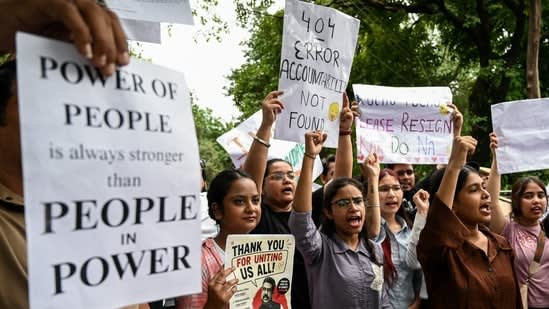
The Monsoon Session of Parliament faced immediate disruption on its opening day due to massive nationwide protests over the NEET paper leak and Ayodhya temple donation theft. While police used force to contain thousands of protesters in New Delhi, legislative work was largely stalled except for the introduction of a bill to expand the Supreme Court.
Parliament Monsoon Session Paralyzed by Protests and NEET Controversy
The Monsoon Session of the Indian Parliament commenced on a volatile note this Monday, July 20, 2026, as the legislative agenda was effectively sidelined by widespread unrest. Both the Lok Sabha and the Rajya Sabha witnessed repeated adjournments, signaling a challenging session ahead for the government. The primary triggers for this parliamentary gridlock were the alleged NEET paper leak and reports of donation theft at the Ram Temple in Ayodhya, issues that galvanized the Opposition and brought legislative proceedings to a grinding halt.
Escalation in the Capital
Outside the hallowed halls of Parliament, the situation was equally intense. Tens of thousands of protesters, largely mobilized by the Cockroach Janta Party (CJP), descended upon Lutyens’s Delhi to demand the resignation of Union Education Minister Dharmendra Pradhan. The scale of the demonstration, estimated at over 50,000 participants, overwhelmed security cordons at multiple locations, including Ashoka Road and Janpath. The ensuing clashes between security forces and protesters—involving lathicharges, tear gas, and water cannons—underscored the depth of public anger regarding the integrity of national examination processes.
Opposition Strategy and Legislative Stasis
Inside the Lok Sabha, the floor was dominated by members of the Congress, SP, and Trinamool Congress, who trooped into the Well of the House to register their dissent. The parliamentary atmosphere was further complicated by fragmented Opposition interests; for instance, the DMK chose to prioritize the Mekedatu water dispute, opting to skip meetings convened by the Congress. This lack of a unified Opposition front, despite shared disruption tactics, highlights the complex political landscape where regional concerns often compete with national narratives.
The Sole Legislative Outcome
Amid the chaos, the government managed a singular, albeit significant, legislative action. Union Law Minister Arjun Ram Meghwal successfully introduced a Bill in the Lok Sabha aimed at replacing an existing Ordinance. This legislation seeks to increase the total strength of the Supreme Court of India from 34 to 38 judges, including the Chief Justice. This move, intended to address mounting judicial vacancies and case backlogs, stood in stark contrast to the surrounding political turbulence.
Broader Implications and Future Trends
The events of the first day suggest that the Monsoon Session will be defined by a high-stakes standoff between the executive and the Opposition. The focus on the NEET controversy indicates that educational reform and the transparency of competitive exams will remain central themes in national discourse. Furthermore, the government’s attempt to push through judicial reforms while under fire from protesters suggests a strategy of prioritizing administrative continuity despite political pushback.
Conclusion
As the session progresses, the ability of the government to balance its legislative agenda—such as the Supreme Court expansion bill—against the escalating demands for ministerial accountability will be critical. The combination of intense street protests and parliamentary paralysis sets a difficult precedent for the coming weeks, suggesting that the government will struggle to maintain normalcy without addressing the specific grievances raised by the student bodies and the Opposition coalition.
Multiple Citing Sources
Verification Required?