Holding babies, raising placards: The parents behind Jantar Mantar’s biggest lesson
Source Entity
Ishika Roy
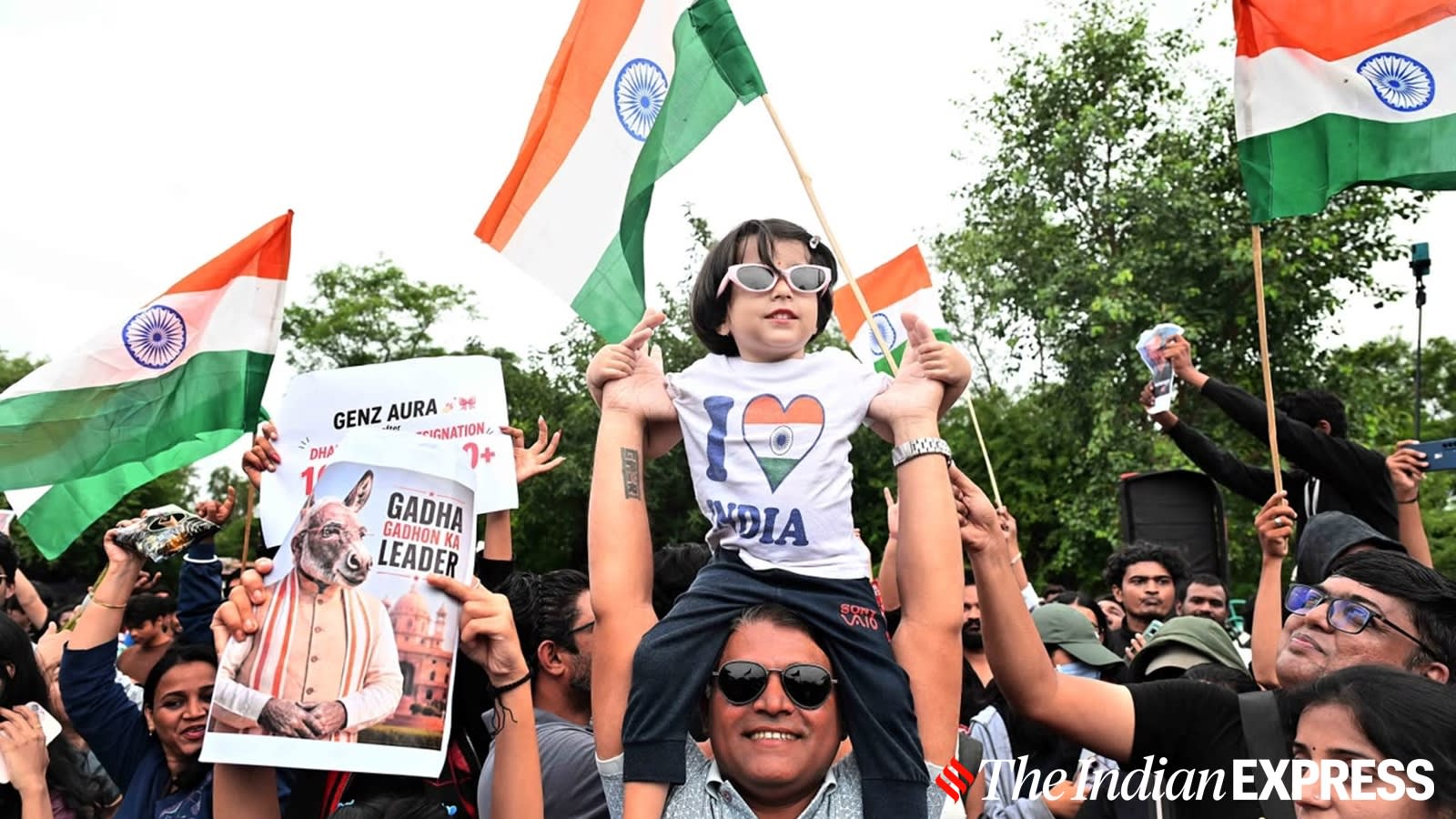
Following reports of Dharmendra Pradhan's resignation, protesters gathered at Jantar Mantar to celebrate the development. Parents, including professionals from Gurgaon, joined the demonstration to support the cause for their children's future.
A Shift at Jantar Mantar: Analyzing the Public Response
On a recent Saturday afternoon, the political landscape in India appeared to shift abruptly as news notifications alerted citizens to the resignation of Dharmendra Pradhan. The reaction was immediate and visceral, transforming the atmosphere at Jantar Mantar from a site of persistent protest into one of jubilant celebration. The scene was characterized by a 'sea of protesters' whose collective energy was palpable, reaching as far as Kerala House, signaling the significant impact this ministerial departure had on the agitators.
The Human Element: Parents at the Forefront
Among the crowd were individuals who had traveled from as far as Gurgaon to participate in the demonstration. Notably, the presence of young families added a poignant layer to the event. Shivani and Deb, professionals in the multinational corporate sector, were seen with their toddler, Rudranil, illustrating that this movement was not merely a political dispute but a matter of perceived generational consequence. Their decision to join the celebration suggests a deep-seated belief that the resignation directly influences the future trajectory for the next generation.
Contextualizing the Protest Dynamics
Jantar Mantar has long served as the crucible for democratic dissent in India, acting as a barometer for public sentiment regarding government policy. The act of bringing children to a protest site, while holding placards, highlights the high stakes perceived by these parents. By physically manifesting their support for the change, these citizens are signaling that their engagement is driven by a desire to secure specific outcomes that they believe were previously stymied by the incumbent leadership.
Broader Implications of the Resignation
While the resignation of a high-profile figure like Dharmendra Pradhan naturally invites speculation regarding cabinet reshuffles and policy pivots, the crowd's reaction underscores the personalization of politics. For the protesters, the resignation was not just a bureaucratic update but a victory to be celebrated in the streets. This event demonstrates the power of digital notifications in mobilizing physical crowds, as the news alert acted as the immediate catalyst for the detour to the protest site.
Future Trends in Civic Engagement
As we look forward, the trend of professional, urban families engaging in protracted protest suggests an evolving demographic of political activism in India. The integration of family life with political participation indicates that these issues are being viewed through the lens of long-term societal health rather than temporary political cycles. Future governance will likely need to account for this highly informed and motivated constituency that views ministerial shifts as direct markers of their children's future welfare.
Conclusion
The events at Jantar Mantar serve as a reminder of the volatile intersection between top-down political decisions and bottom-up public reaction. As the crowds celebrated the departure of a key official, the presence of families reinforced the idea that political accountability remains a foundational concern for the Indian public. Whether this resignation leads to systemic change or remains a singular event, the mobilized energy of the protesters highlights a citizenry that is increasingly attentive to the shifts within the corridors of power.