JD Vance says chat with engineer revealed America's real economic crisis
Source Entity
TOI TECH DESK
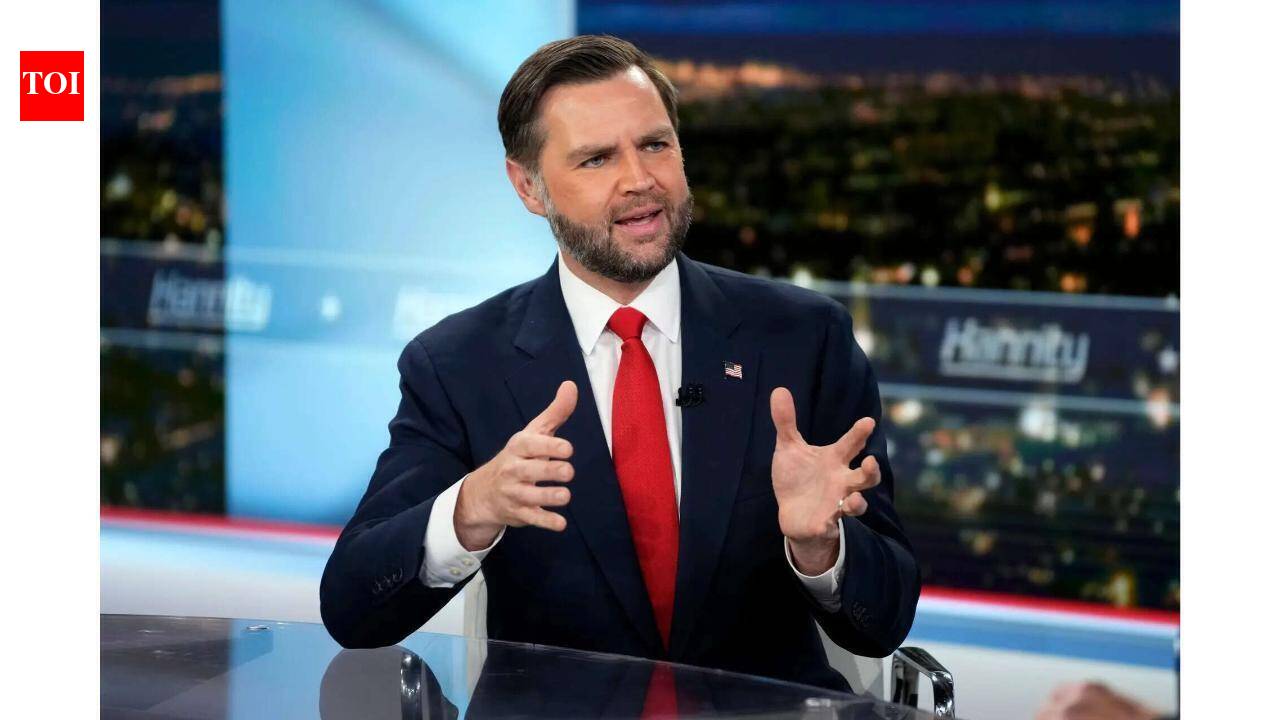
Vice President JD Vance highlights a growing disconnect between traditional economic metrics and the lived reality of Americans struggling with affordability. The analysis suggests that policy-driven inflation and structural housing market failures are creating significant barriers to middle-class stability.
The Hidden Crisis: Reevaluating American Economic Prosperity
Recent statements by U.S. Vice President JD Vance have brought a critical perspective to the forefront of American economic discourse. By sharing a conversation with a young engineer, Vance has highlighted a growing sentiment that traditional economic indicators—such as low unemployment rates and nominal wage growth—fail to capture the true struggles of the American workforce. This narrative shift suggests that the 'real' economic crisis is not merely about the availability of jobs, but the diminishing purchasing power and the fundamental loss of the American Dream regarding asset ownership.
Beyond Wages: The Affordability Trap
The core of this economic anxiety lies in the decoupling of wages from the cost of essential goods and services. While the labor market has remained resilient by historical standards, the cost of living has surged, creating a 'hidden' inflation that erodes the gains made by high-earning professionals. When even individuals in technically skilled, high-salary positions like engineering struggle to secure homeownership, it signals a systemic failure in the wealth-building mechanisms that have historically defined the American middle class.
Policy Choices as the Architect of Inflation
Economist Mark Zandi’s warnings regarding persistent inflation reinforce the perspective that these economic hurdles are not merely market accidents but are rooted in specific policy decisions. The convergence of supply-chain disruptions, fiscal stimulus, and monetary tightening has created an environment where the cost of capital and the price of housing remain elevated. This analysis posits that the current economic landscape is a direct byproduct of long-term policy choices, which have favored certain market outcomes while neglecting the inflationary pressures that weigh heavily on the average citizen.
Structural Barriers to Homeownership
Homeownership has long been the primary vehicle for intergenerational wealth in the United States. However, the current intersection of high interest rates and limited housing inventory has created a barrier to entry that is increasingly insurmountable for younger generations. This reflects a broader trend of asset-price inflation that outpaces wage growth, effectively locking out potential buyers. This structural inequality is reshaping the American economy, forcing a re-evaluation of what constitutes 'economic success' in a post-pandemic world.
Future Implications and Economic Strategy
The discourse introduced by Vance and echoed by experts like Zandi suggests that future economic policy must shift its focus from aggregate growth figures to the granular reality of household affordability. If the current trajectory continues, the political and social consequences could be significant, as voters increasingly prioritize cost-of-living issues over traditional macroeconomic benchmarks. Moving forward, the challenge for policymakers will be to reconcile the need for fiscal responsibility with the urgent requirement to stabilize the housing market and curb persistent inflation to restore a sense of economic mobility for all Americans.