Jensen Huang's staggering $4 trillion bet shifts Nvidia
Source Entity
Yahoo Finance
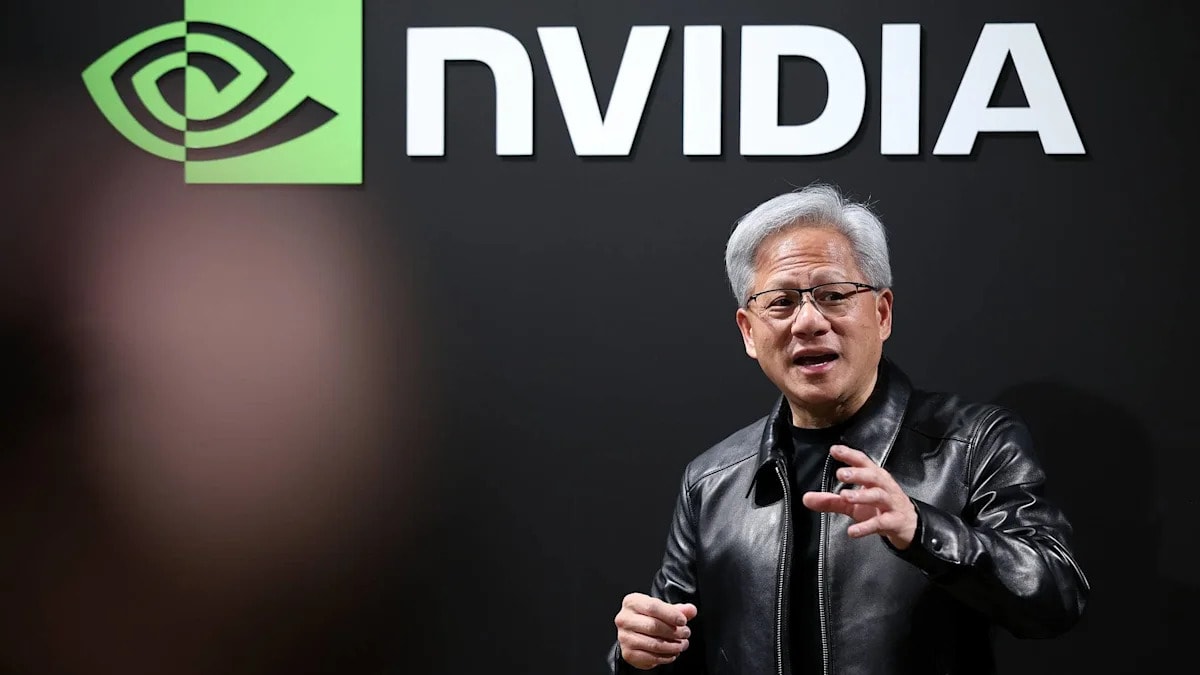
Nvidia CEO Jensen Huang projects that global annual data-center capital expenditure will reach $3 trillion to $4 trillion by the end of the decade. This massive investment surge highlights the escalating energy and infrastructure demands driven by the rapid expansion of artificial intelligence.
The Trillion-Dollar AI Infrastructure Shift
Nvidia CEO Jensen Huang has articulated a vision for the future of global computing that is nothing short of transformative. By projecting that annual capital expenditure for data centers will climb to between $3 trillion and $4 trillion by the end of the decade, Huang has signaled a fundamental shift in how the global economy allocates resources. This forecast, confirmed by CFO Colette Kress during Nvidia's first-quarter FY27 earnings call, suggests that we are currently witnessing only the beginning of a massive industrial transition toward AI-centric infrastructure.
The Mechanics of Massive Scale
The infrastructure required to support generative AI and large language models is unprecedented in its appetite for hardware and power. As warehouses of computer servers continue to expand at an exponential rate, the physical and financial requirements are beginning to ripple through the broader economy. These facilities are no longer just storage units for data; they are the high-performance engines of modern technological advancement, requiring constant upgrades in processing power that only companies like Nvidia can currently provide at scale.
Economic and Household Implications
One of the most profound aspects of this shift is its impact on energy consumption. The sheer electricity appetite of these massive server farms is already exerting pressure on local power grids, which in turn is beginning to influence household budgets. As energy demand skyrockets to accommodate AI growth, the competition for reliable power sources between residential consumers and industrial technology giants creates a complex policy and economic challenge that will likely define the latter half of this decade.
Sustaining the AI Boom
Huang’s $4 trillion target serves as a benchmark for the level of investment required to build out the 'AI factory' of the future. This capital expenditure is expected to be funneled into specialized hardware, cooling systems, and massive electrical infrastructure. For investors and industry stakeholders, this projection underscores a long-term commitment to AI that moves beyond speculative hype and into the realm of permanent, large-scale industrial capital deployment.
Future Trends and Strategic Outlook
Looking ahead, the trajectory suggested by Nvidia's leadership points toward an era where artificial intelligence infrastructure becomes a primary pillar of national and global economic health. If these spending levels are met, we can expect to see a profound acceleration in technological capabilities, accompanied by a permanent increase in global electricity demand. This transition will require significant innovation in energy efficiency and grid management to ensure that the rapid expansion of AI does not outpace the sustainable capacity of the power systems that fuel it.
Conclusion
In summary, Jensen Huang’s forecast represents a pivotal moment in the trajectory of the tech sector. By framing the AI expansion in terms of trillions of dollars in capital expenditure, Nvidia is highlighting the immense scale of the shift toward advanced computing. As the industry moves toward the end of the decade, the ability to balance this voracious need for power and hardware with economic sustainability will determine the ultimate success of the AI revolution.