As Jharkhand protests still simmer, why faultlines deepen between student groups
Source Entity
Shubham Tigga
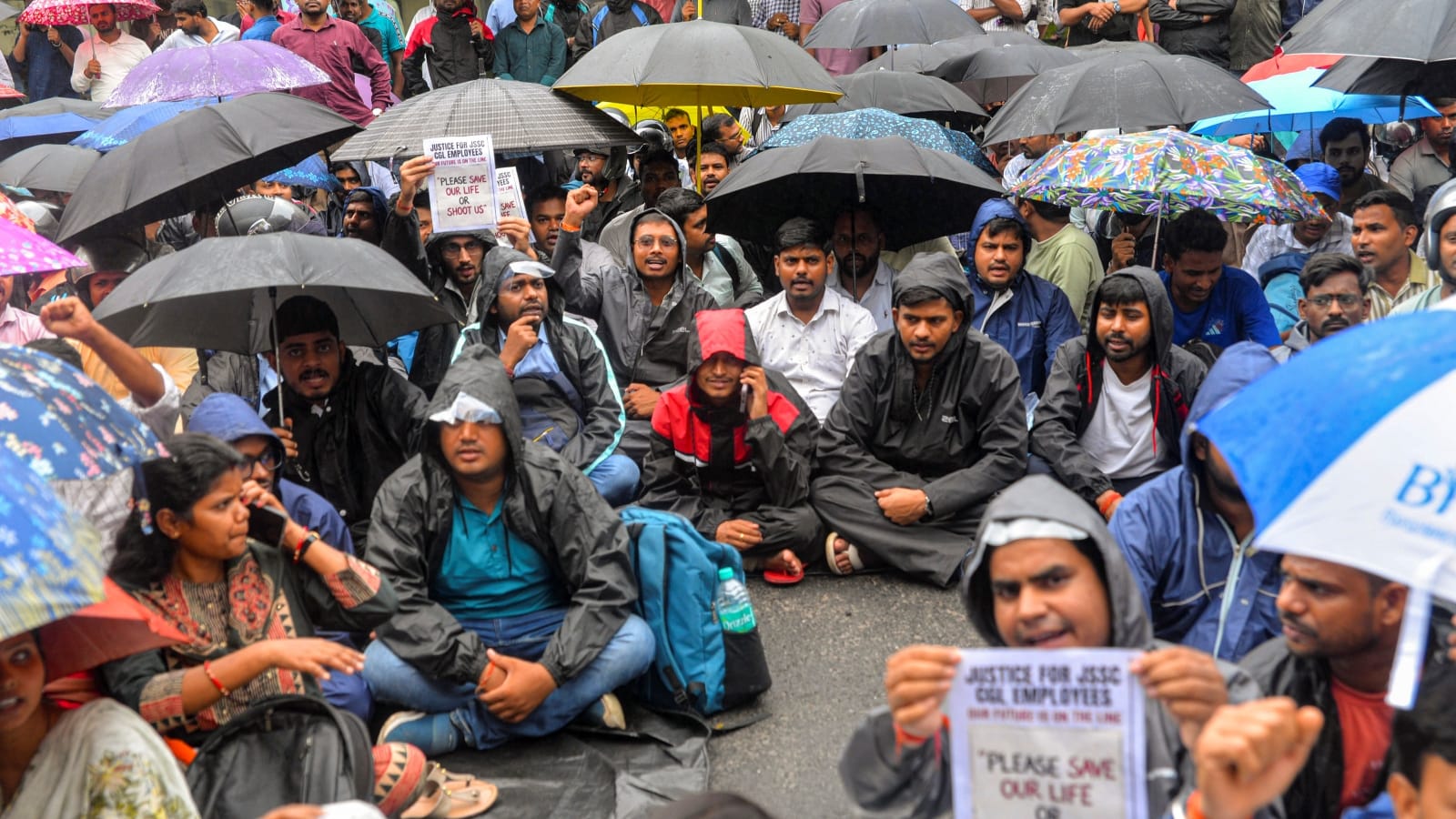
The Jharkhand government's attempt to cancel recruitment exams amid protests has triggered a complex legal and political standoff. While the state sought to ease public pressure, judicial intervention has complicated the resolution, leaving student groups and current appointees in limbo.
The Jharkhand Recruitment Crisis: A Political and Judicial Impasse
The Anatomy of the Protest
The recent wave of unrest in Jharkhand, which lasted for 25 days, highlights the volatile intersection of governance and youth aspiration. The state government, led by Chief Minister Hemant Soren and the JMM-Congress alliance, faced immense pressure as students took to the streets to voice grievances regarding the recruitment process. The decision to cancel these examinations was a strategic, albeit reactive, attempt by the administration to quell the rising tide of public discontent and maintain political stability.
Navigating Political Faultlines
By opting for the cancellation of recruitment exams, the government inadvertently transformed a socio-economic issue into a broader political battleground. In the context of Jharkhand’s complex political landscape, the JMM-Congress coalition is constantly balancing regional sentiments against administrative efficacy. The student leaders, who have emerged as the central figures in this movement, represent a growing demographic that is increasingly skeptical of bureaucratic transparency and employment equity.
Judicial Intervention and Legal Complexity
The situation reached a critical juncture when current government employees, whose positions were jeopardized by the cancellation, sought recourse through the Jharkhand High Court. The court’s decision to stay the government’s cancellation order provides a reprieve for those already appointed, effectively freezing the status quo. This judicial intervention underscores the difficulty of reversing administrative actions once they have reached the implementation phase, regardless of the political intent behind such reversals.
Broader Implications for Governance
This standoff raises significant questions about the government’s decision-making process. When public policy is dictated by the pressure of ongoing protests, it often leads to hasty administrative decisions that are later challenged in court. This creates a cycle of uncertainty that affects not only the aspirants waiting for new opportunities but also the current workforce whose job security is tethered to these shifting policies.
Looking Toward Future Trends
Moving forward, the Jharkhand government faces the daunting task of reconciling the demands of protesting students with the legal rights of those already employed. The persistence of these faultlines suggests that recruitment reform will remain a central theme in state politics. Unless the administration can establish a more transparent and legally robust framework for government hiring, similar cycles of protest and litigation are likely to repeat, further complicating the state's administrative stability.