Kalshi traders see low likelihood of major crypto bill becoming law this year
Source Entity
US Top News and Analysis
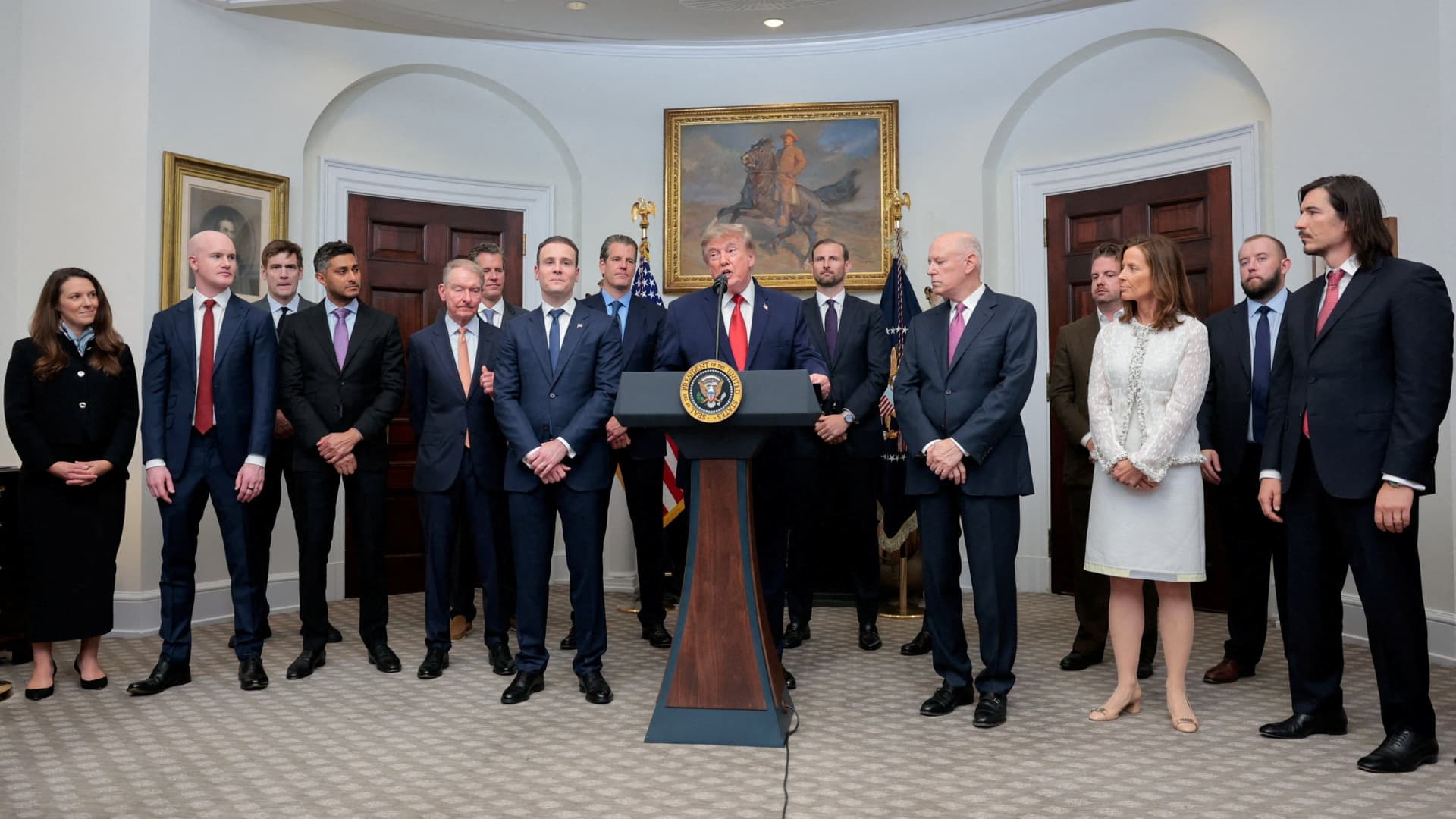
Kalshi traders are expressing skepticism that the Digital Asset Market Clarity Act will pass into law before the end of 2026. Despite active White House advocacy and high-level meetings, legislative momentum remains uncertain heading into the Senate's procedural vote.
The Legislative Standoff: Crypto Regulation in 2026
The landscape of digital asset regulation in the United States remains fraught with uncertainty as the year progresses. Despite a flurry of activity at the White House—marked by President Donald Trump’s high-profile meeting with key financial regulators and industry titans like Coinbase and Ripple—market sentiment remains bearish regarding the immediate passage of the Digital Asset Market Clarity Act.
The Role of Market Prediction Markets
Kalshi traders, who leverage predictive modeling and market data to forecast legislative outcomes, have signaled a low probability of the bill becoming law before the end of 2026. This skepticism highlights a disconnect between the visible political theater in Washington D.C. and the mechanical reality of the Senate’s legislative calendar. While traders are often influenced by immediate news cycles, their consensus suggests that the procedural hurdles remaining are more substantial than the current public optimism implies.
The Bipartisan Foundation and Senate Hurdles
The legislation in question, the Digital Asset Market Clarity Act, initially demonstrated significant political viability when it passed the House of Representatives with bipartisan support in July 2025. This historical backing provided a strong foundation for the industry, which has long sought regulatory certainty to spur innovation. However, the move toward a Senate procedural vote scheduled for September 15, 2026, serves as a critical litmus test for whether that consensus can survive the pressures of an election-adjacent legislative cycle.
Executive Pressure vs. Legislative Reality
President Trump’s recent engagement with SEC Chairman Paul Atkins and CFTC Chairman Michael Selig underscores an executive branch attempting to prioritize digital asset oversight. By convening leaders from Nasdaq and firms like Andreessen Horowitz, the administration is clearly signaling that crypto is a core component of the national economic strategy. Yet, the White House's efforts to “turn up the heat” on lawmakers often clash with the slow-moving nature of the Senate, where procedural delays and competing legislative priorities can derail even high-priority bills.
Long-Term Implications for Crypto Markets
Should the bill fail to cross the finish line before 2027, the industry will likely face continued ambiguity regarding the jurisdictional boundaries between the SEC and the CFTC. This regulatory gray area has historically stifled long-term institutional investment. The current market outlook, as reflected by Kalshi traders, suggests that investors should prepare for a prolonged period of status quo, where the absence of a comprehensive framework continues to influence company strategy and capital allocation.
Conclusion
Ultimately, the fate of the Digital Asset Market Clarity Act remains a complex dance between executive ambition and legislative inertia. While the presence of major industry players at the White House indicates that the bill is a priority, the cautious outlook from prediction markets serves as a sobering reminder of the structural barriers within the U.S. government. Whether the upcoming September vote acts as a catalyst for movement or a symbol of gridlock will define the trajectory of the crypto industry for the foreseeable future.