Watch: Gangajal in hand, UP councillors 'swear oath' to share bribes equally
Source Entity
SHREEDHAR RATHI
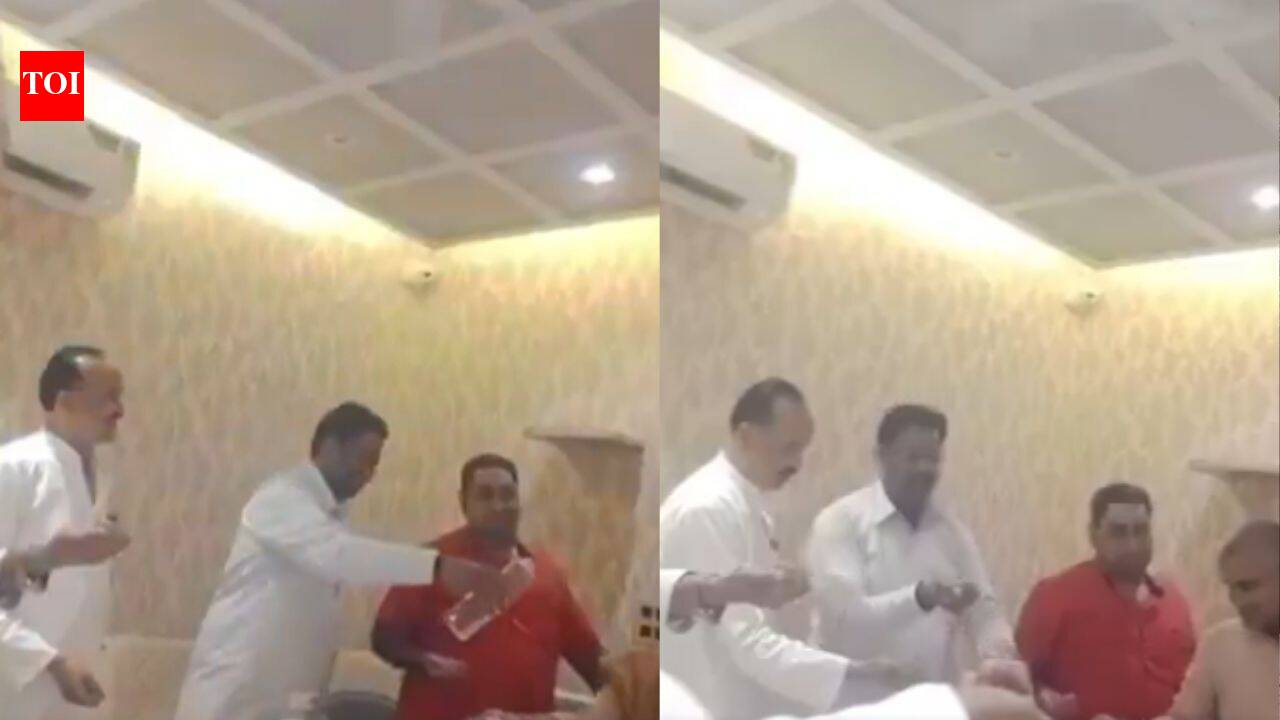
A viral video showing Shahjahanpur Municipal Corporation councillors swearing to share bribe proceeds has triggered an official inquiry. The footage depicts the group holding Gangajal while pledging to divide illicit income equally among 60 members.
The Shahjahanpur Oath Controversy: A Deep Dive
The Incident and Public Outcry
A disturbing incident has emerged from the Shahjahanpur Municipal Corporation, where a viral video depicts local councillors purportedly swearing an oath to engage in systemic corruption. In the footage, a group of individuals, identified as civic representatives, is seen holding vessels of Gangajal—a symbol of sacred purity in Indian culture—while pledging to distribute bribe money equally among sixty members. This blatant display of organized graft has sparked widespread public indignation and raised serious questions regarding the ethical standards governing local administrative bodies.
The Administrative Response
In response to the viral nature of the footage, the Shahjahanpur Municipal Corporation has officially initiated an inquiry to verify the authenticity of the video and identify the participants involved. This administrative move is a crucial first step in maintaining public trust. The inquiry is tasked with determining whether the oath was a genuine admission of criminal intent or a staged event, though the gravity of the allegations necessitates a rigorous and transparent investigation to ensure accountability within the local governance structure.
The Intersection of Religion and Corruption
The use of Gangajal during the oath-taking ceremony adds a layer of cultural complexity to the scandal. By invoking a sacred element to validate an illicit pact, the participants have drawn significant criticism for the perceived desecration of a religious symbol to facilitate unethical behavior. This juxtaposition of spiritual ritual and administrative malfeasance highlights a profound disconnect between the expected moral responsibilities of public servants and their reported conduct.
Broader Implications for Local Governance
This incident serves as a stark reminder of the challenges surrounding institutional integrity at the municipal level. When elected officials are accused of forming cartels to distribute bribe proceeds, it undermines the foundational principles of democracy and efficient public service delivery. Such practices directly impact the quality of civic infrastructure and the allocation of funds meant for public welfare, suggesting that corruption might be deeply embedded in the local bureaucratic machinery.
Historical Context and Future Trends
Historically, local municipal bodies in India have often struggled with allegations of corruption, yet the brazen nature of this recorded oath suggests a shift toward overt normalization of illicit activities. If the inquiry confirms the veracity of the video, it could set a critical precedent for how municipal bodies handle internal corruption. Future trends in local governance may require stricter oversight mechanisms, such as mandatory integrity pledges and enhanced digital auditing of funds, to prevent such egregious abuses of power from becoming systemic.
Conclusion
The Shahjahanpur incident is a significant case study in the struggle against local-level corruption. As the inquiry progresses, the focus must remain on ensuring that those who have breached the public trust are held accountable under the law. The outcome of this investigation will likely influence the public's perception of the municipal corporation and serve as a litmus test for the effectiveness of local anti-corruption measures in the region.