Why Jimothy the raccoon has become a mega meme online
Source Entity
BBC News
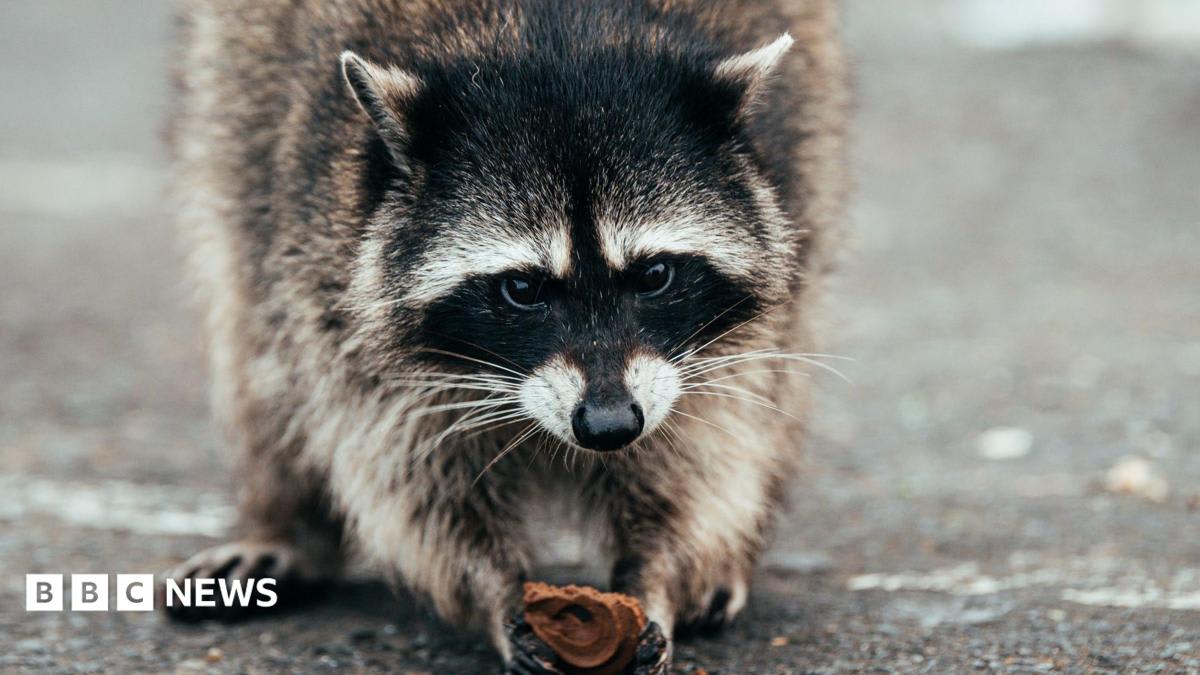
A viral Instagram video of a raccoon named 'Jimothy' has captured global attention due to the animal's unique physical appearance. The clip, filmed by Seattle resident Kiana Hall, has garnered over eight million views and sparked widespread online discourse regarding the creature's health.
The Viral Phenomenon of Jimothy the Raccoon
The internet has once again demonstrated its capacity to transform a seemingly mundane, local occurrence into a global cultural moment. The recent viral sensation surrounding 'Jimothy,' a raccoon spotted in Seattle, began with a simple video captured by local resident Kiana Hall. What started as an innocuous observation on Instagram quickly transcended its regional roots, captivating millions and cementing its status as a notable digital phenomenon.
Origins of the Viral Clip
Kiana Hall’s original video captured the creature as it moved rapidly across pavement and up a set of stairs. The visual contrast between the raccoon’s peculiar posture and its swift movement prompted immediate curiosity. Hall’s own audible reaction—asking what she was witnessing—mirrored the confusion and fascination felt by the millions who would eventually view the clip. The video’s authenticity and its raw, unscripted nature were key drivers in its rapid ascent across social media algorithms.
The 'Short Spine Syndrome' Hypothesis
Central to the narrative is the label provided by Hall: "Jimothy the raccoon with short spine syndrome." While this medical diagnosis remains speculative and unconfirmed by veterinary professionals, the term has become inextricably linked to the raccoon’s identity. The public’s inclination to assign a specific medical condition to the animal highlights a broader trend of online audiences seeking to categorize and explain the unusual, often turning to crowdsourced medical theories to make sense of viral imagery.
Cultural Impact and Digital Folklore
As the video surpassed eight million views, Jimothy evolved from a mere animal sighting into a piece of digital folklore. The comments section of the original post serves as a testament to this shift, with users weaving narratives about the creature, such as the humorous warning that "Jimothy would find me." This type of engagement transforms a passive viewing experience into an interactive, community-driven event, where the animal becomes a character within a collective online story.
The Intersection of Nature and Social Media
This event underscores the power of personal storytelling in the digital age. Unlike professionally produced content, the candid nature of Hall's footage allowed for an authentic connection with viewers. The fascination with Jimothy reveals a persistent human interest in the unusual aspects of the natural world, particularly when those aspects are framed within the accessible, bite-sized format of short-form video platforms like Instagram.
Conclusion: A Lasting Digital Footprint
Whether or not Jimothy truly suffers from short spine syndrome may remain a mystery, but the raccoon’s impact on digital culture is undeniable. The story of Jimothy demonstrates how a single, chance encounter can resonate globally, creating a shared experience among millions. As the video continues to circulate, it remains a prime example of how modern platforms amplify local wildlife sightings into widespread cultural touchstones.