1 Dead, Vehicles Swept Away As Flash Floods Hit J&K's Rajouri
Source Entity
NDTV News Search Records Found 1000
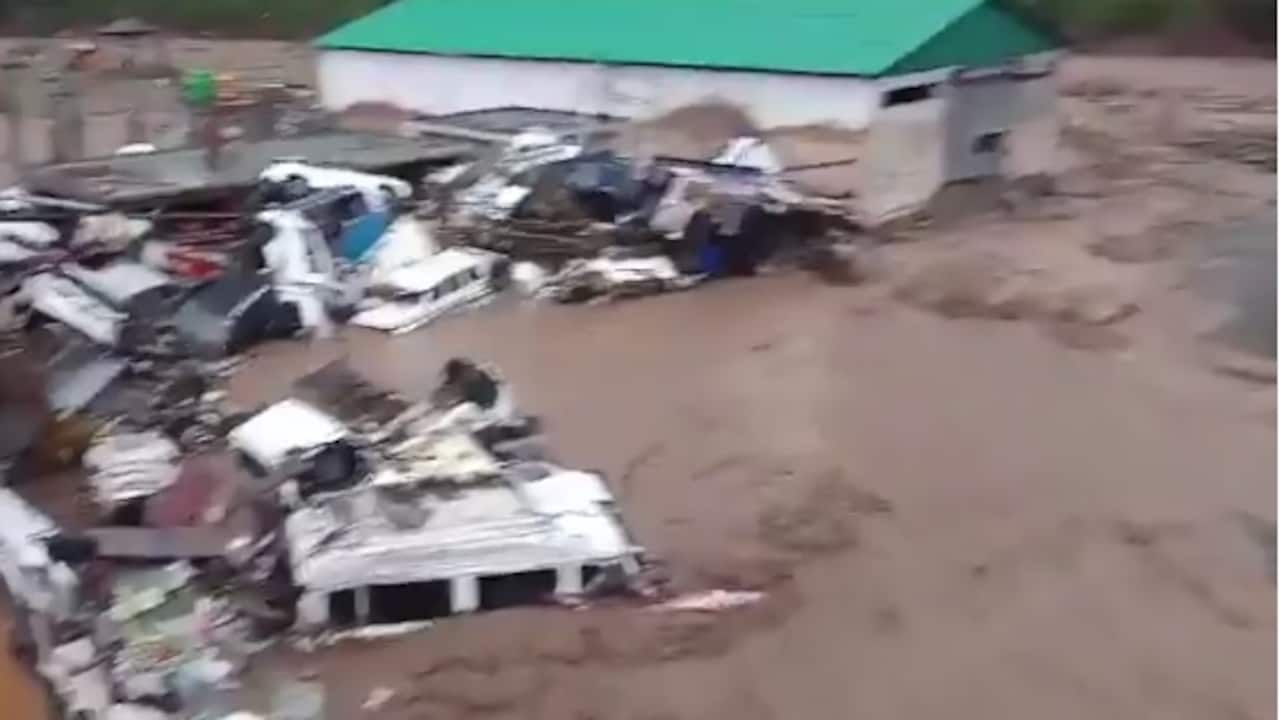
Heavy overnight rainfall triggered devastating flash floods in Jammu and Kashmir's Rajouri and Poonch districts, leaving four people dead and hundreds displaced. The disaster caused massive infrastructure damage and led to the temporary suspension of the Amarnath and Vaishno Devi Yatras.
Devastating Flash Floods Strike Jammu and Kashmir: A Comprehensive Analysis
On Sunday, July 19, 2026, the Rajouri and Poonch districts of Jammu and Kashmir were struck by catastrophic flash floods following a period of incessant overnight rainfall. The sudden surge of water, driven by the overflowing of rivers and subsequent landslides, has created a humanitarian and infrastructural crisis in the region. The scale of the disaster is evident not only in the loss of life but also in the widespread displacement of residents and the total standstill of urban activity in key towns.
Urban Paralysis in Rajouri Town
In Rajouri, the flooding was primarily driven by the Dharhal River breaching its banks. The resulting inundation focused heavily on low-lying areas, with the new bus stand becoming a focal point of the flooding. The impact on transportation was severe, as dozens of vehicles were either submerged or swept away by the current, effectively paralyzing local transit. The disaster disproportionately affected residential settlements near the Abdullah Bridge, where more than 50 families were forced to flee their homes, and the areas surrounding Tariq Bridge, where police had to intervene to rescue residents from the rising riverbanks. Local Congress MLA Iftkhar Ahmad has highlighted the extensive damage to both public and private property, suggesting a long road to economic recovery for the town's residents.
Human Tragedy in Poonch District
The situation in the Poonch district proved even more lethal, with flash floods and landslides resulting in at least four confirmed deaths. The Surankote tehsil bore the brunt of the meteorological onslaught, recording all four fatalities. Among the victims was 28-year-old Nazia Kousar, who perished when her home in Noonabandi village collapsed under the pressure of the rain and shifting earth. With several others still reported missing, rescue teams have fanned out across the worst-hit sectors to clear debris and locate survivors, emphasizing the extreme vulnerability of rural housing in the face of such volatile weather events.
Regional Disruptions and Strategic Implications
Beyond the immediate localized damage, the rainfall has had significant broader implications for the region's religious and tourist infrastructure. The Lieutenant Governor (LG) has been actively reviewing the situation as authorities took the critical decision to temporarily suspend the Amarnath and Vaishno Devi Yatras. These pilgrimages are not only of immense spiritual importance but are also vital economic drivers for the region. The suspension indicates that the weather conditions were deemed too hazardous for travel, reflecting a cautious approach to prevent further casualties on the treacherous mountain paths known for landslide susceptibility during heavy rains.
Meteorological Context and Future Risks
The floods in Jammu and Kashmir did not occur in isolation but appear to be part of a larger regional weather pattern, evidenced by the simultaneous 'Red Alert' issued in neighboring Himachal Pradesh. This suggests a massive atmospheric disturbance affecting the wider Himalayan belt. The recurrence of such events underscores the ongoing challenge of managing urban drainage and riverbank stability in hilly terrains. As climate patterns become more erratic, the frequency of 'cloudburst-like' events—where intense rain falls over a short period—poses a persistent threat to the fragile geography of J&K.
Conclusion and Recovery Outlook
In summary, the flash floods of July 2026 have left a trail of destruction across Rajouri and Poonch, characterized by the loss of life in Surankote and the total disruption of Rajouri town. While the immediate focus remains on rescue and relief operations conducted by the district administration and specialized teams, the event highlights a critical need for improved early warning systems and resilient infrastructure. The temporary halt of major yatras serves as a reminder of how environmental volatility can instantly disrupt the social and economic fabric of the region.
Multiple Citing Sources
Verification Required?