Heavy rainfall batters J&K: 4 killed in Poonch flash floods; Rajouri, Reasi on alert
Source Entity
TOI NEWS DESK
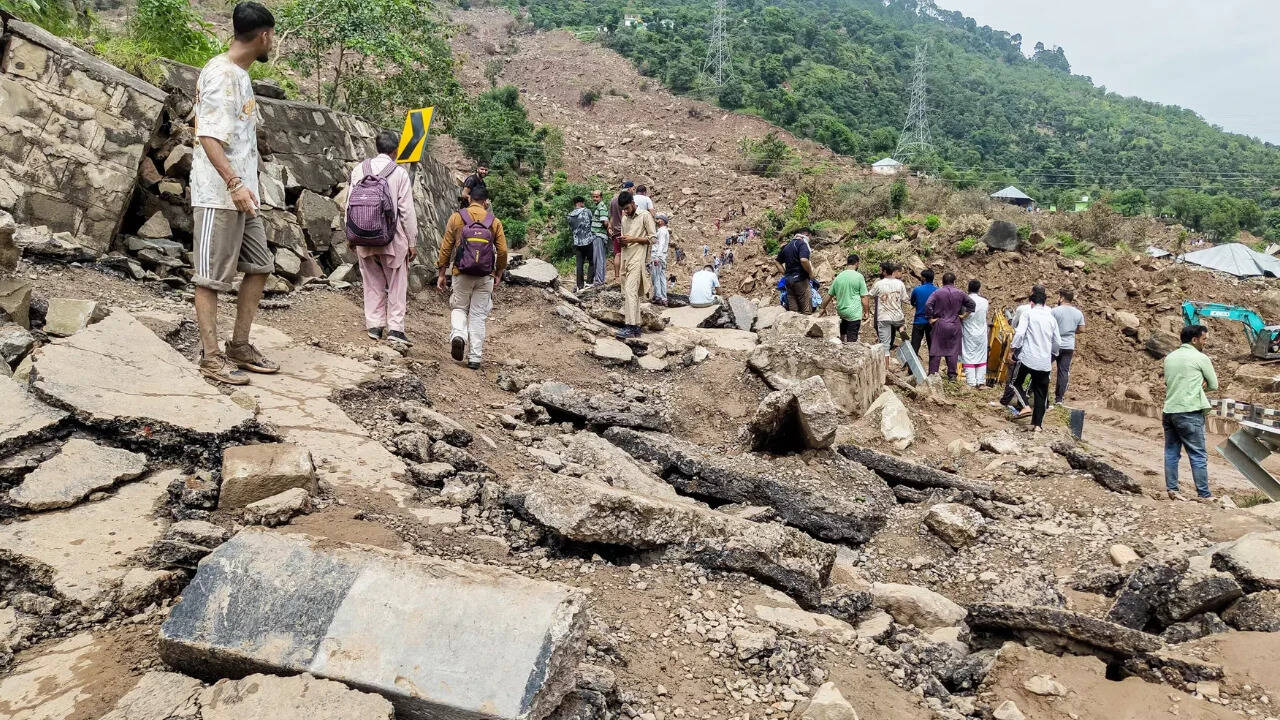
Heavy rainfall triggered devastating flash floods in J&K's Rajouri and Poonch districts, resulting in four deaths and widespread infrastructure damage. Hundreds of residents were evacuated, and major pilgrimages, including the Amarnath and Vaishno Devi Yatras, have been temporarily suspended.
Devastation in the Hills: Analyzing the J&K Flash Floods of July 2026
On Sunday, July 19, 2026, the Jammu and Kashmir region experienced a catastrophic weather event as incessant overnight rainfall triggered severe flash floods and landslides. The impact was most acutely felt in the Rajouri and Poonch districts, where the rapid swelling of rivers and the collapse of residential structures led to significant loss of life and property. This event underscores the extreme vulnerability of the Himalayan foothills to erratic monsoon patterns and the immediate danger posed by overflowing river systems to low-lying urban and rural settlements.
The Inundation of Rajouri Town
In Rajouri, the situation reached a critical point when the Dharhal River breached its banks, sending floodwaters surging into the heart of the town. The flooding was not limited to the riverbanks but penetrated deep into low-lying areas, notably inundating the new bus stand and paralyzing local transportation. The scale of the disruption was evident as dozens of vehicles were either submerged or swept away by the current. The human toll in Rajouri was marked by mass displacement; over 50 families near the Abdullah Bridge were forced to flee their homes, while residents near the Tariq Bridge required urgent police intervention to evacuate to safer ground. Local Congress MLA Iftkhar Ahmad highlighted the severity of the crisis, noting extensive damage to both public and private property, reflecting a total systemic failure of local drainage and flood defenses.
Human Tragedy in Poonch District
The situation in the neighboring Poonch district was even more lethal, characterized by a combination of flash floods and landslides. The Surankote tehsil bore the brunt of the disaster, reporting at least four fatalities. Among the victims was 28-year-old Nazia Kousar, who perished when her home in Noonabandi village collapsed under the pressure of the rains. The tragedy in Poonch highlights the precarious nature of rural housing in landslide-prone zones, where heavy saturation of the soil can lead to sudden and total structural failure. Rescue teams continue to operate in these areas, searching for several individuals who remain missing, emphasizing the high-risk nature of these rescue operations amidst unstable terrain.
Regional Disruptions and Administrative Response
The environmental crisis extended beyond local residential damage, impacting the broader regional infrastructure and spiritual tourism. The administration took the drastic step of temporarily suspending the Amarnath and Vaishno Devi Yatras, recognizing that the heavy rainfall and landslides made the pilgrimage routes treacherous for thousands of devotees. The Lieutenant Governor (LG) has since reviewed the situation to coordinate relief efforts. Furthermore, the threat level remains high across the region, with Reasi placed on alert and a Red Alert issued for neighboring Himachal Pradesh, suggesting a larger atmospheric disturbance affecting the entire Western Himalayan belt.
Socio-Economic Implications and Recovery
The sentiment expressed by affected residents—"Everything is lost. Everything is gone"—points to a profound socio-economic blow to the local population. The loss of vehicles, livestock, and homes, coupled with the destruction of public infrastructure, will likely lead to a prolonged recovery period. The reliance on rescue and relief teams for basic evacuation indicates that the region's early warning systems may have been overwhelmed by the speed of the flash floods. The economic ripple effect of suspending major pilgrimages also suggests a temporary but sharp decline in local commerce and hospitality services that rely on the Yatra seasons.
Summary and Future Outlook
In summary, the flash floods of July 19, 2026, have left a trail of destruction across Rajouri and Poonch, resulting in four confirmed deaths and the displacement of hundreds. The event was characterized by the overflowing of the Dharhal River and catastrophic landslides in Surankote. While immediate rescue operations are underway, this event serves as a stark reminder of the need for enhanced urban planning in river-adjacent areas and the strengthening of residential structures in landslide-prone villages to prevent such recurring tragedies during the monsoon season.
Multiple Citing Sources