Deeply distressing to see ambulances stranded, students missing classes during convoy movement in Kashmir: Sakina Itoo
Source Entity
India Latest News: Top National Headlines Today & Breaking News | The Hindu
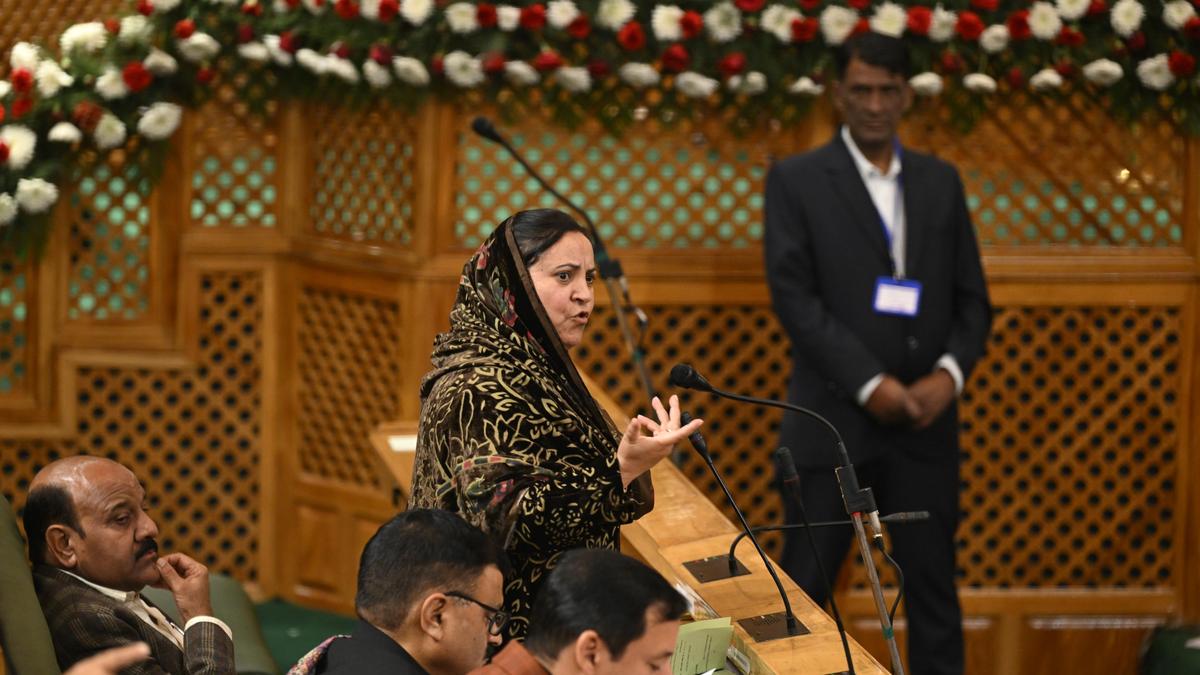
J&K Minister Sakina Itoo has urged Lieutenant Governor Manoj Sinha to relax stringent traffic restrictions imposed during security convoy movements. The appeal follows widespread public distress over ambulances being stranded and students missing classes on the Srinagar-Qazigund highway.
Addressing the Human Cost of Security Protocols in J&K
The Intersection of Security and Public Welfare
Recent developments in Jammu and Kashmir have brought the delicate balance between regional security and civilian mobility into sharp focus. On October 30, 2026, J&K Health and Medical Education Minister Sakina Itoo issued a public appeal to Lieutenant Governor Manoj Sinha, calling for a review of the traffic management protocols currently enforced during the movement of security force convoys. Ms. Itoo, representing the Kulgam constituency, characterized the current situation as "deeply distressing," citing the severe disruption caused to essential services and daily life.
Historical Context of Highway Restrictions
To understand the current friction, one must look at the operational shifts that occurred following the tragic 2019 Pulwama attack. In the aftermath of that security breach, authorities implemented rigorous traffic management systems, which include halting civilian traffic on both tubes of the national highway to ensure the safety of security convoys. While these measures were designed to mitigate threats and protect personnel, their long-term application has led to significant logistical bottlenecks along the vital Srinagar-Anantnag-Kulgam-Qazigund corridor.
The Impact on Essential Services
Minister Itoo’s critique highlights a critical failure in the current system: the inability to prioritize humanitarian movement amidst security drills. By detailing instances where ambulances are left stranded and students are prevented from reaching their educational institutions, she has underscored the socioeconomic cost of these delays. The wait times, which can range from 15 minutes to several hours, effectively paralyze the movement of the local population, creating a sense of alienation and hardship that complicates the relationship between the citizenry and the administration.
Administrative Hierarchies and Policy Hurdles
A significant layer to this issue is the governance structure of Jammu and Kashmir. Because security and law and order fall directly under the jurisdiction of the Union Home Ministry rather than the local cabinet, the ability of regional ministers to enact immediate change is constrained. Ms. Itoo’s appeal to the Lieutenant Governor represents a strategic move to leverage local administrative channels to influence federal security policy, emphasizing that while security is paramount, it should not come at the total expense of public well-being.
Future Trends and Potential Reforms
Looking forward, the administration faces the pressure of balancing the necessity of force protection with the growing demand for civilian-friendly protocols. The call for "practical traffic management measures" suggests a shift toward more nuanced, technology-driven, or time-sensitive solutions that could allow for the passage of emergency vehicles even during high-security movements. If the government chooses to adopt more flexible guidelines, it could serve as a vital step in reducing public resentment and ensuring that the security apparatus remains responsive to the humanitarian needs of the people it is intended to protect.
Multiple Citing Sources
Verification Required?