17 NC MLAs issue 15-day ultimatum to address ‘coterie culture’, other issues in party
Source Entity
India Latest News: Top National Headlines Today & Breaking News | The Hindu
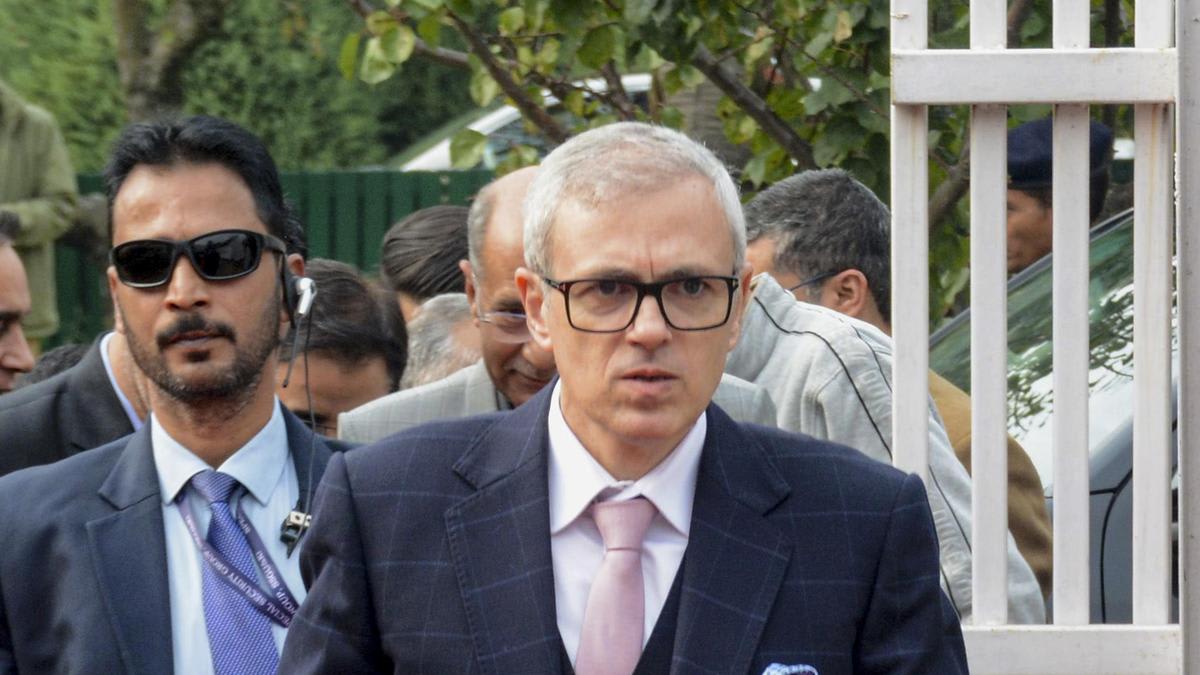
The National Conference is facing a significant internal crisis as 17 legislators issue an ultimatum over leadership concerns. Concurrently, Srinagar MP Aga Ruhullah Mehdi has announced his resignation, citing the party's failure to pursue the restoration of Article 370.
Internal Turmoil in the National Conference
The Jammu and Kashmir political landscape is currently undergoing a period of intense volatility as the ruling National Conference (NC) faces a multi-front internal rebellion. On October 30, 2026, a significant group of 17 legislators convened a four-hour meeting at the residence of Qaiser Jamsheed Lone in Srinagar. This gathering served as a formal venue to air grievances regarding the party’s internal governance, specifically targeting what they describe as a "coterie culture" and the tendency of the leadership to make "unilateral decisions."
The Catalyst: Cabinet Expansion and Discontent
The immediate spark for this legislative dissent appears to be the recent expansion of the Cabinet by J&K Chief Minister and NC vice-president Omar Abdullah. The exclusion of several senior leaders from ministerial berths has created a vacuum of influence, leading to visible friction. The presence of senior figures like Mubarak Gul, Nazir Gurezi, and Abdul Majeed Larmi at the meeting suggests that the dissatisfaction is not merely peripheral but touches the core of the party's legislative backbone.
The Resignation of Aga Ruhullah Mehdi
Compounding these legislative woes is the high-profile exit of Srinagar MP Aga Ruhullah Mehdi. His decision to resign, both from the party and his parliamentary seat, marks a significant departure from the NC’s traditional hierarchy. Mehdi’s criticisms are ideological and personal, focusing on the party's perceived failure to uphold its electoral commitment to fighting for the restoration of Article 370. His characterization of the party leadership as a "cabal" treating the region like a "family estate" signals a deep-seated frustration with the dynastic nature of the NC’s command structure.
Historical Context and Governance Implications
For the National Conference, this crisis is historical in its echoes. The party has long operated under the stewardship of the Abdullah family, but the current atmosphere suggests that the traditional methods of party management are losing their efficacy. The "coterie culture" mentioned by the 17 MLAs reflects a broader trend in regional politics where legislative representatives feel alienated by centralized decision-making processes that bypass internal democratic mechanisms.
Future Trends and Party Stability
While a government minister has publicly dismissed the impact of Mehdi’s exit, the combination of a 15-day ultimatum from 17 MLAs and the loss of a key parliamentarian presents a formidable challenge to Omar Abdullah’s administration. If the leadership fails to address these concerns within the stipulated timeframe, the NC risks further erosion of its legislative majority and public standing. The trajectory of this conflict will likely determine whether the party can consolidate its power or if it faces a prolonged period of fragmentation that could reshape the political landscape of Jammu and Kashmir.
Conclusion
The convergence of legislative rebellion and high-level resignations indicates that the National Conference is at a critical juncture. Whether the leadership chooses to reform its internal processes or double down on its current trajectory will define the stability of the J&K government in the coming months. The next 15 days will be pivotal in determining whether the party can reconcile these internal factions or if it faces a lasting decline in organizational cohesion.
Verification Required?