Rahul Gandhi vs Nirmala Sitharaman round 2, this time over IDBI Bank stake sale
Source Entity
TNN
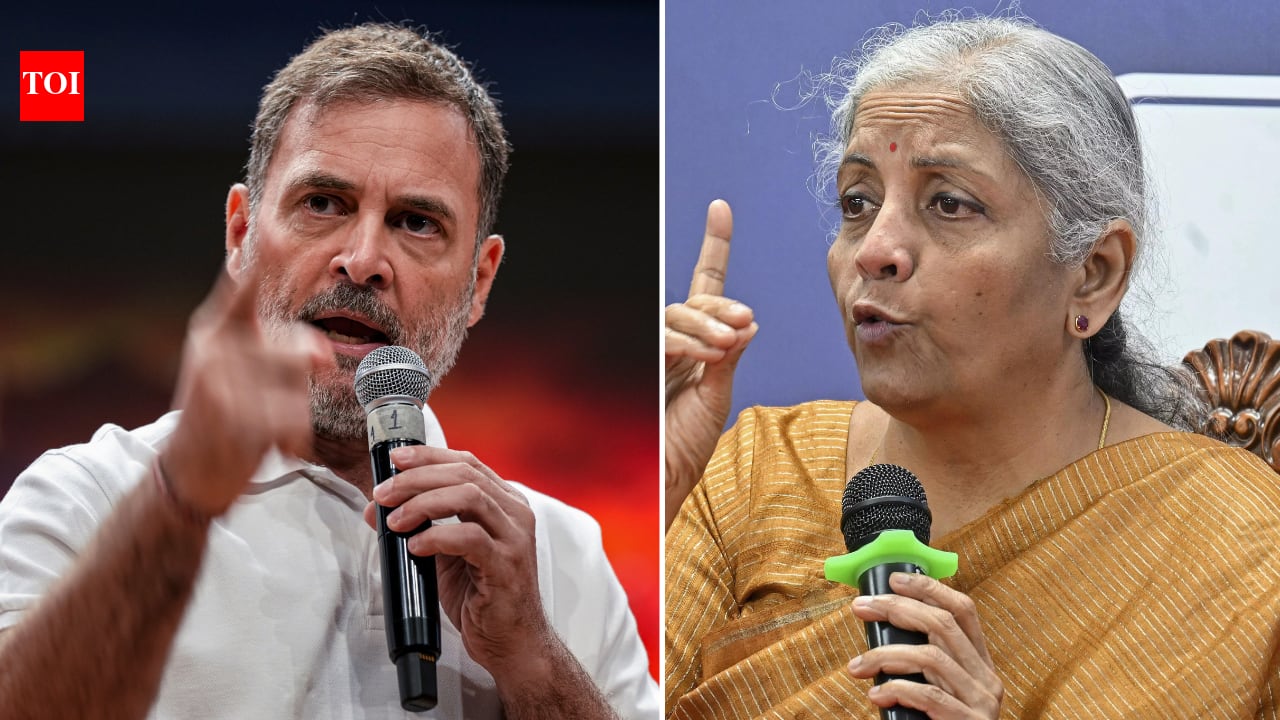
Rahul Gandhi and Finance Minister Nirmala Sitharaman are engaged in a public dispute regarding the government's plan to sell its stake in IDBI Bank. Gandhi has publicly supported protesting bank employees, highlighting a broader ideological clash over the state's role in the banking sector.
The Clash Over IDBI Divestment: A Political Tug-of-War
The ongoing debate concerning the disinvestment of IDBI Bank has escalated into a high-profile confrontation between Leader of the Opposition Rahul Gandhi and Union Finance Minister Nirmala Sitharaman. This dispute centers on the government's strategic decision to offload its stake in the institution, a move that has drawn sharp criticism from the Congress party and fervent opposition from bank staff unions.
The Historical Ideological Divide
At the heart of this conflict lies a fundamental disagreement over the role of public sector banks in India's development. Rahul Gandhi has framed the narrative by contrasting the current administration's privatization drive with the historical context of the Congress era, during which IDBI was established specifically to foster industrial growth and nation-building. By invoking this legacy, Gandhi is attempting to position the current government's divestment strategy as a departure from a developmental model that once prioritized state-led industrial support.
Labor Unrest and Political Support
Rahul Gandhi’s decision to communicate directly with "members of the IDBI bank family" serves as a strategic move to align the opposition with the labor force. By backing the ongoing strikes, Gandhi is not only challenging the fiscal policy of the finance ministry but is also positioning the Congress party as a defender of workers' rights and job security within the public sector. This creates a challenging political environment for the government, which must now balance its market-oriented reform agenda against the optics of labor unrest.
Government Policy vs. Opposition Rhetoric
Finance Minister Nirmala Sitharaman’s response represents the government's commitment to its broader economic reform agenda. The disinvestment of IDBI Bank is part of a larger, long-term strategy aimed at optimizing state assets and reducing the fiscal burden of maintaining underperforming or non-core public sector entities. The clash underscores a persistent tension in Indian politics: the struggle to modernize the financial sector through privatization while navigating the deep-seated cultural and political attachment to public sector employment.
Broader Economic Implications
The friction between these two political figures highlights the volatility surrounding the privatization of financial institutions. IDBI Bank acts as a microcosm for the wider debate on whether the state should continue to act as a principal stakeholder in commercial banking. As the government moves forward with its divestment plans, the ability to manage stakeholder expectations—ranging from international investors to domestic employees—will be a critical test for the finance ministry.
Future Trends in Banking Reform
Looking ahead, this confrontation suggests that future divestment initiatives will likely face rigorous scrutiny from the opposition. As the government continues its efforts to streamline the public sector, the role of bank employee unions as a political pressure point will grow. The outcome of this specific dispute will likely set a precedent for how future privatization efforts are negotiated, communicated, and contested in the public sphere, making it a pivotal moment in the current fiscal policy cycle.