‘Just because they belong to one religion?’: Bombay HC quashes SDPI workers’ externment as ‘totally illegal’
Source Entity
Omkar Gokhale
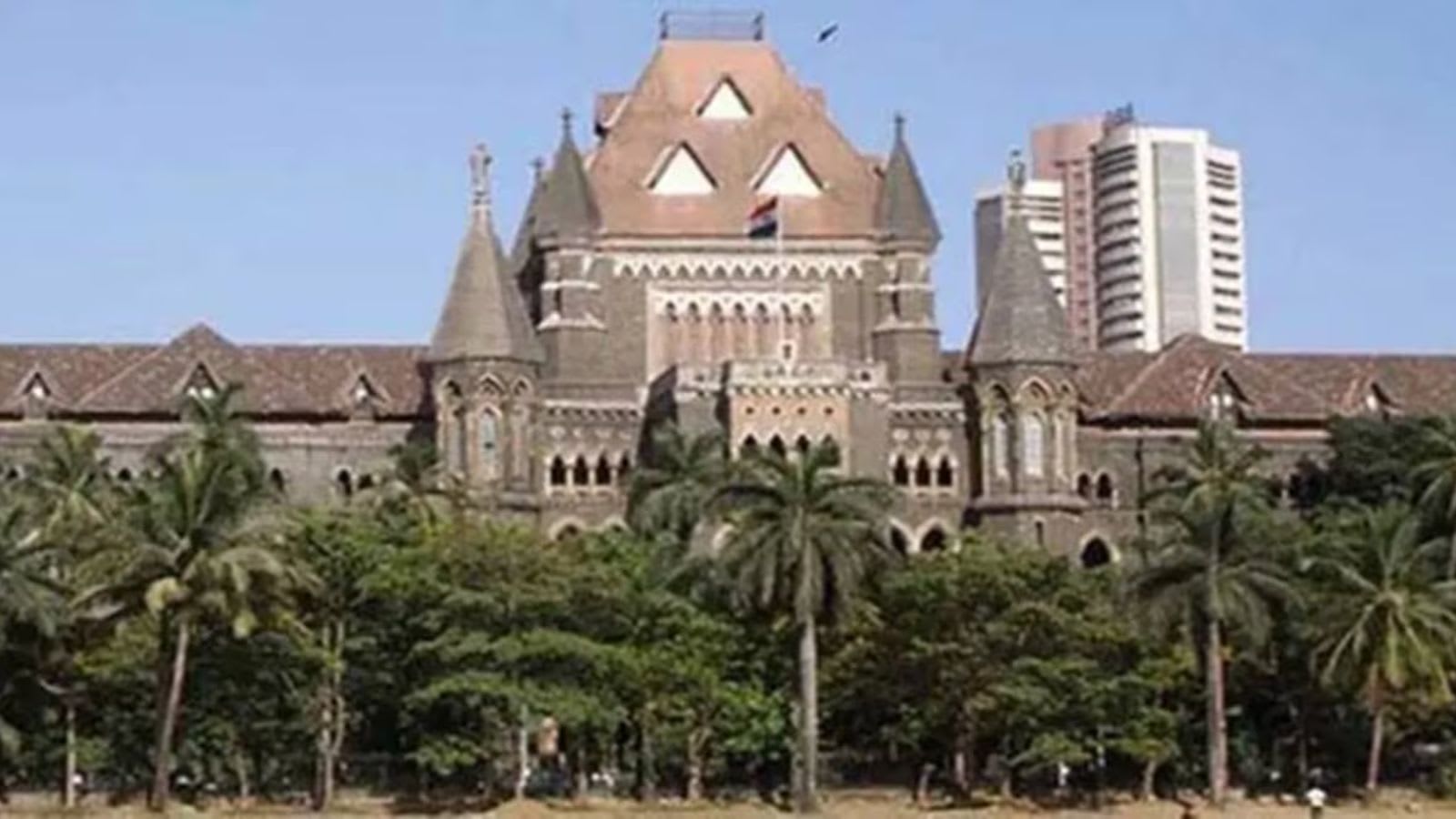
A Madhya Pradesh court acquitted 11 men in the 2022 Khargone violence case due to lack of evidence, while the Bombay High Court criticized the 'selective' externment of SDPI members. These rulings highlight significant judicial scrutiny over police procedures and evidentiary standards in cases involving communal tensions.
Judicial Scrutiny of Law Enforcement Actions
The recent legal developments in Madhya Pradesh and Maharashtra underscore a growing judicial trend of demanding higher evidentiary standards in cases involving communal unrest and political protest. In the Khargone case, the acquittal of 11 individuals highlights the fragility of prosecution cases when they rely heavily on eyewitness testimony that fails to materialize in court. The collapse of the state’s case, particularly regarding the alleged use of petrol bombs—which laboratory findings failed to verify—raises critical questions about the initial investigative rigor.
The Failure of Evidentiary Standards
The Khargone violence of April 2022, which resulted in the tragic death of Idris Khan and significant property damage, was a high-profile incident that drew national attention. However, when the prosecution’s case relies on 11 eyewitnesses and eight of them fail to identify the accused, the legal foundation effectively dissolves. This acquittal serves as a reminder that the judicial system requires concrete, forensic, and consistent testimony to uphold convictions, especially in the volatile context of communal clashes.
Questioning 'Selective' Administrative Actions
Parallel to the Khargone acquittal, the Bombay High Court’s intervention regarding the externment of Social Democratic Party of India (SDPI) workers points to a different, yet related, issue: the use of administrative power against political dissent. By labeling the Mumbai Police’s externment orders as “totally illegal” and “drastic,” the court challenged the state's justification for silencing individuals based on their political or religious affiliation. The judge’s pointed question—asking if the action was “selective” because of the individuals' religion—strikes at the heart of the debate over civil liberties versus state-mandated order.
The Role of Free Speech in Dissent
The Bombay High Court’s ruling specifically addressed the nature of protests, noting that holding a view against the demolition of the Babri Masjid is a matter of free speech. By asserting that such views cannot be categorized as "anti-national," the court reaffirmed the constitutional protections afforded to political expression. This sets a significant precedent, suggesting that FIRs linked to peaceful or ideological protests are insufficient grounds to justify the extreme measure of externment.
Broader Implications for Rule of Law
Both cases demonstrate a judicial pushback against aggressive policing that may bypass due process. Whether it is the failure to produce forensic evidence in a riot case or the imposition of bans on movement due to political participation, the courts are increasingly acting as a check on executive overreach. These rulings emphasize that the rule of law must remain impartial, ensuring that investigations are robust and administrative actions are not motivated by bias.
Future Trends in Judicial Oversight
Moving forward, we can expect higher courts to continue applying rigorous standards of review to cases stemming from communal and political unrest. As the judiciary continues to emphasize the need for objective proof over circumstantial or selective enforcement, law enforcement agencies may be forced to adopt more transparent and evidence-based investigative methodologies. The protection of constitutional rights, even in sensitive political climates, remains the central pillar of these recent judicial interventions.