Bengaluru’s four districts account for nearly half of total SIR exclusions in Karnataka
Source Entity
Latest News: Todays Latest News Headlines from India & World | Hindustan Times | Hindustan Times
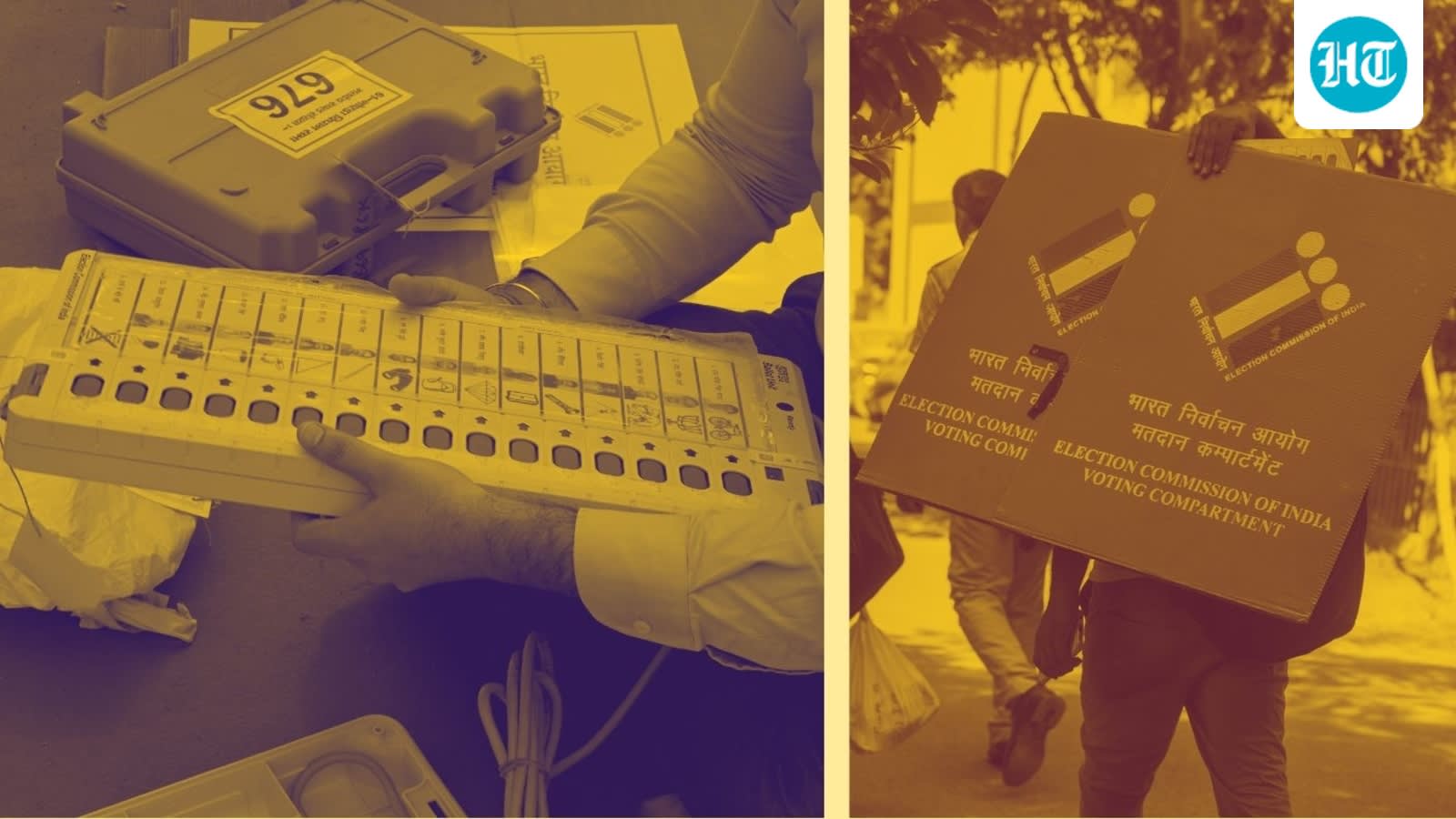
Karnataka and Delhi have recently undergone significant electoral roll revisions, resulting in mass deletions of voters categorized as absent, shifted, or deceased. While Karnataka saw a massive reduction of nearly 1 crore voters, Delhi witnessed a tepid response to final enrolment camps.
The Great Electoral Clean-up: Analyzing Voter Roll Revisions
The recent Special Intensive Revision (SIR) processes in Karnataka and Delhi have brought to light significant shifts in the management of electoral rolls in India. These exercises are critical for maintaining the integrity of democratic processes, ensuring that voter lists are accurate, up-to-date, and free from inaccuracies that could compromise the fairness of future elections.
Karnataka's Massive Electorate Adjustment
In Karnataka, the conclusion of the SIR on October 27 marked a substantial reduction in the state's electorate. From an initial figure of 5.5 crore voters recorded on June 16, the rolls were trimmed by 99.76 lakh, resulting in a finalized count of approximately 4.54 crore. This massive purge, largely attributed to the ASDDO (Absent, Shifted, Dead, Duplicate, and Others) categorization, highlights the dynamic nature of migration and administrative record-keeping in a rapidly urbanizing state.
Demographic Impact and Urban Clusters
Notably, the age demographic of 20-29 years was heavily impacted, with 86.56 lakh voters falling into this category during the revision. Furthermore, the concentration of exclusions in Bengaluru—where four districts accounted for nearly half of the state's ineligible electors—underscores the unique challenges of urban voter management. Areas like Bommanahalli, K.R. Pura, and Mahadevapura have emerged as focal points, suggesting that the high mobility of the IT-driven workforce significantly contributes to the high rate of 'permanently shifted' voters.
The Tepid Response in Delhi
Simultaneously, Delhi’s electoral authorities organized special camps at 15,000 polling stations to facilitate the inclusion of names, yet the turnout was remarkably low. With only 3,000 Form-6 applications submitted, it appears there is a disconnect between the administrative goal of updating rolls and public participation. Since August 31, Delhi has seen approximately 47.6 lakh deletions, mirroring the broader trend seen in Karnataka of cleaning up stale data.
Broader Implications for Democracy
These revisions serve as a double-edged sword. While they are essential for preventing electoral fraud and ensuring that the rolls reflect the current population, they also raise concerns regarding voter disenfranchisement. If eligible citizens are removed due to administrative errors or a lack of awareness regarding the re-enrollment process, it could lead to lower voter turnout in upcoming elections. The low response rate to the Delhi camps suggests that more aggressive public outreach may be required to ensure that legitimate voters are not inadvertently excluded.
Future Trends and Conclusion
Looking ahead, the reliance on intensive revision cycles will likely continue as a standard practice for the Election Commission of India. However, the data suggests that reliance on static lists is increasingly insufficient for modern, mobile populations. Future trends will likely favor more digitized, real-time updates to electoral rolls to better track migration patterns. The significant reduction in total voter counts in both Karnataka and Delhi serves as a reminder of the constant need for vigilance, administrative efficiency, and public engagement to sustain the health of the electoral process.
Multiple Citing Sources
Verification Required?