Karnataka Minister B Nagendra Offers To Resign Over Corruption Allegations
Source Entity
NDTV News Search Records Found 1000
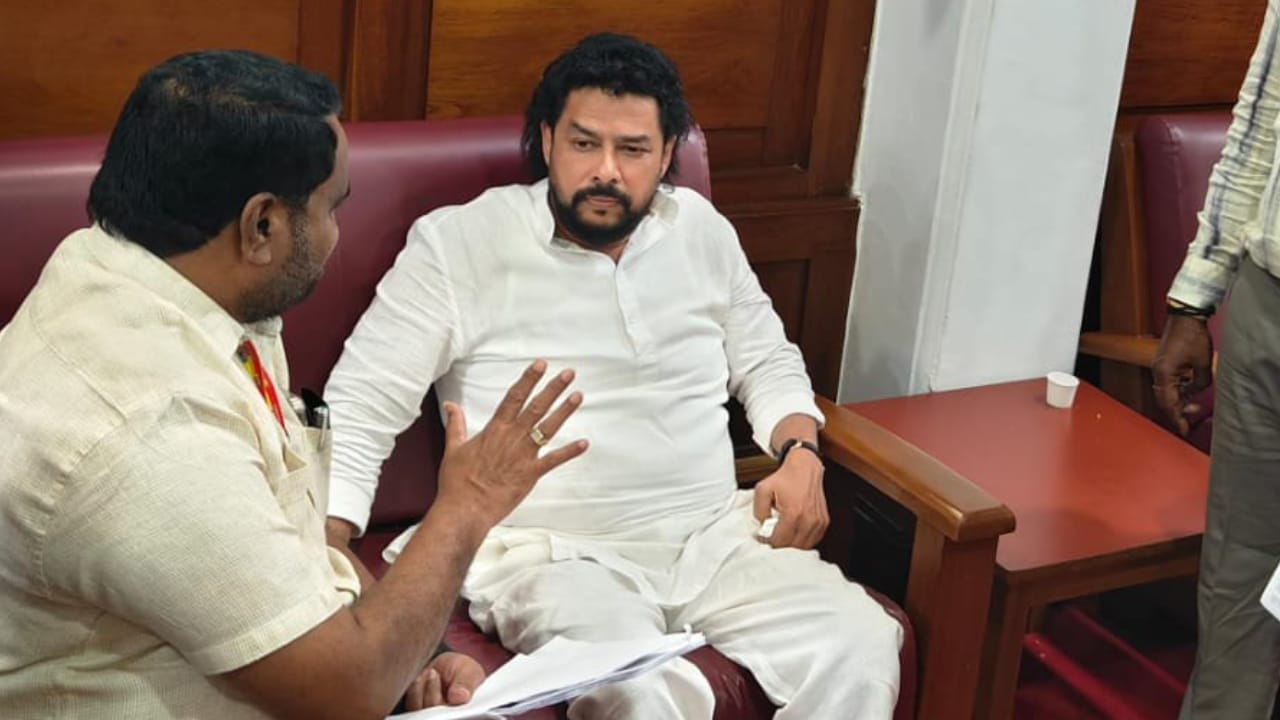
Karnataka Minister B Nagendra has offered to resign amid corruption allegations to preempt a BJP protest march. The Congress leadership is facilitating his exit to mitigate political damage and neutralize opposition pressure.
Political Turbulence in Karnataka: The Resignation of B Nagendra
The political landscape in Karnataka is currently witnessing a significant shift as Planning and Statistics Minister B Nagendra has offered his resignation from the state cabinet. This development comes amidst escalating corruption allegations that have placed the Congress-led government under intense scrutiny. By preemptively offering his resignation, Nagendra aims to navigate the brewing storm of political accountability that has threatened to destabilize the current administration.
The Catalyst: BJP’s Strategic Pressure
The primary driver behind this sudden political maneuver is the opposition Bharatiya Janata Party (BJP), which has launched a concerted effort to leverage the corruption probe against the minister. The BJP announced a 170-kilometer 'padayatra' (foot march) spanning from Raichur to Ballari, scheduled to commence on September 1. This protest is explicitly designed to demand Nagendra’s resignation, turning a legal matter into a high-stakes political spectacle that the Congress party is eager to avoid during the march.
Strategic Preemption by the Congress
In a calculated move to neutralize the BJP’s momentum, the Congress leadership has indicated it will accept the resignation. By acting before the padayatra begins, the government intends to rob the opposition of its primary rallying cry, thereby minimizing the potential for public unrest or further damage to the party's image. This strategy reflects a broader trend in Indian state politics, where parties often sacrifice individual ministers to protect the collective integrity of the cabinet during election cycles or periods of heightened public sensitivity.
The Role of Leadership and Party Discipline
Deputy Chief Minister D.K. Shivakumar’s response to the situation has been telling. By framing Nagendra as a "disciplined soldier" of the party, the leadership is attempting to control the narrative, ensuring that the resignation is viewed as a voluntary sacrifice for the "Congress's interest" rather than an admission of guilt. This rhetoric serves to maintain party unity and prevent internal fractures that could arise from the forced removal of a cabinet member.
Historical Context and Future Implications
This episode is particularly notable given that Nagendra had previously resigned from the Cabinet in 2024, only to be re-inducted shortly thereafter. This cycle of resignation and re-induction suggests a complex relationship between the minister and the party high command. Moving forward, the resignation will likely lead to a period of cabinet restructuring in Karnataka. The success of this move in de-escalating the BJP's protest will serve as a bellwether for how the Congress party handles future corruption allegations, potentially setting a precedent for how they balance internal loyalty with public optics.
Conclusion
The impending departure of B Nagendra is a tactical retreat designed to mitigate political fallout. As the CBI continues its probe into the alleged corruption case, the Congress party's decision to facilitate this exit signals a prioritization of political stability over individual cabinet retention. Whether this move effectively silences the opposition or merely serves as a temporary reprieve remains to be seen, but it underscores the volatility and high-pressure nature of Karnataka's current political climate.
Verification Required?