U.S. considers fresh round of tariffs on semiconductors, report says
Source Entity
US Top News and Analysis
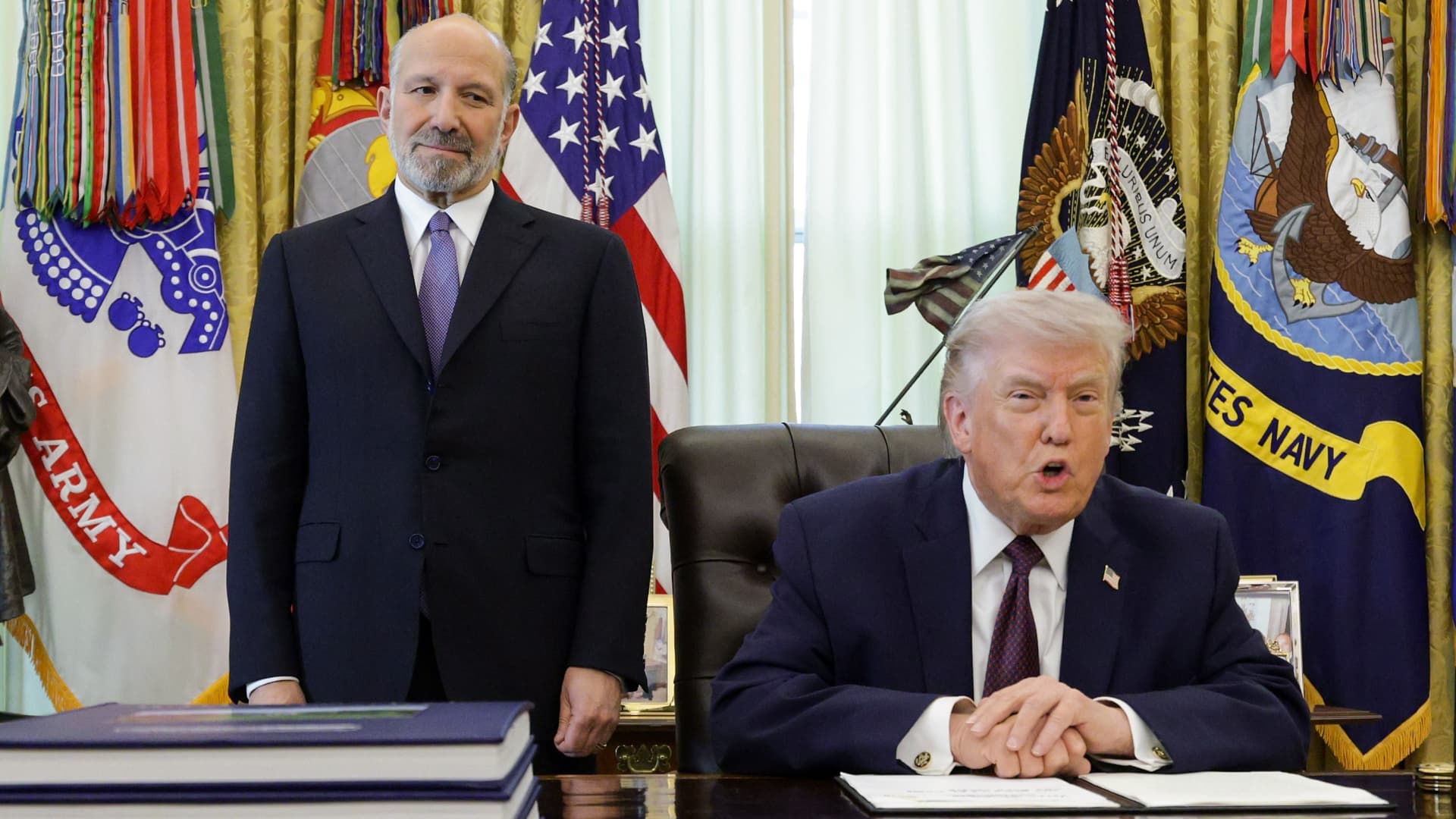
The Trump administration is considering broad tariffs on imported semiconductors and associated tech hardware to boost domestic manufacturing. Industry leaders warn these measures could stifle AI innovation and significantly increase costs for both businesses and consumers.
The Strategic Shift in U.S. Semiconductor Policy
The Trump administration is reportedly exploring a sweeping new framework of tariffs on imported semiconductors and derivative tech hardware. As the United States intensifies its competition with China in the critical race for artificial intelligence (AI) infrastructure, these proposed measures aim to force a pivot toward domestic manufacturing. However, the policy has ignited significant concern across the technology sector, where leaders argue that taxing the very components essential for AI development could prove counterproductive.
The Scope of Proposed Duties
According to reports involving multiple sources familiar with the administration's internal discussions, these potential duties will not be confined to raw silicon. Instead, the administration is considering a broad expansion that would include enterprise-grade data center servers, consumer laptops, and gaming hardware. By targeting these finished goods, the government appears to be attempting to secure the entire supply chain, rather than just the fabrication of individual chips.
The Role of Secretary Howard Lutnick
Central to this strategy is Commerce Secretary Howard Lutnick, who is reportedly backing a mechanism that ties potential tariff relief directly to foreign investment in U.S.-based semiconductor fabrication facilities. This approach seeks to incentivize global tech players to build infrastructure on American soil. By creating a conditional pathway for relief, the administration hopes to bolster national security and domestic technological sovereignty, though the efficacy of such a leverage-based strategy remains a subject of intense debate.
Industry Backlash and Economic Risks
Technology leaders have expressed profound skepticism regarding the timing and nature of these tariffs. Critics in the private sector have characterized the plan as a significant threat to U.S. AI innovation, suggesting that increasing the cost of data center hardware—the backbone of current AI scaling—could slow down domestic progress. Furthermore, there is a widespread concern that these costs will inevitably be passed down to consumers, leading to higher prices for everyday electronics and specialized computing equipment.
Implications for Global AI Competition
While the administration views these tariffs as a necessary tool to gain an edge in the AI race, the industry warns that it could inadvertently "doom" the very innovation it seeks to protect. The tension between national security objectives and the economic realities of a globalized supply chain creates a complex policy environment. As the administration moves through the early phases of this proposal, the final framework will be closely watched for potential adjustments that might mitigate the perceived negative impacts on the tech ecosystem.
Future Trends and Outlook
The staggered rollout period currently being discussed suggests that the administration is aware of the potential for market disruption. Looking ahead, the success of this policy will depend on whether the incentive for domestic investment can outweigh the increased operational costs for U.S. tech companies. If the government proceeds with these tariffs, the industry must prepare for a significant restructuring of supply chains, which could define the landscape of American technology for years to come.