SC Judge seeks transfer of Rajasthan HC Acting Chief Justice, asks why CJI has ‘ignored’ appeals despite clear evidence of favouritism
Source Entity
India Latest News: Top National Headlines Today & Breaking News | The Hindu
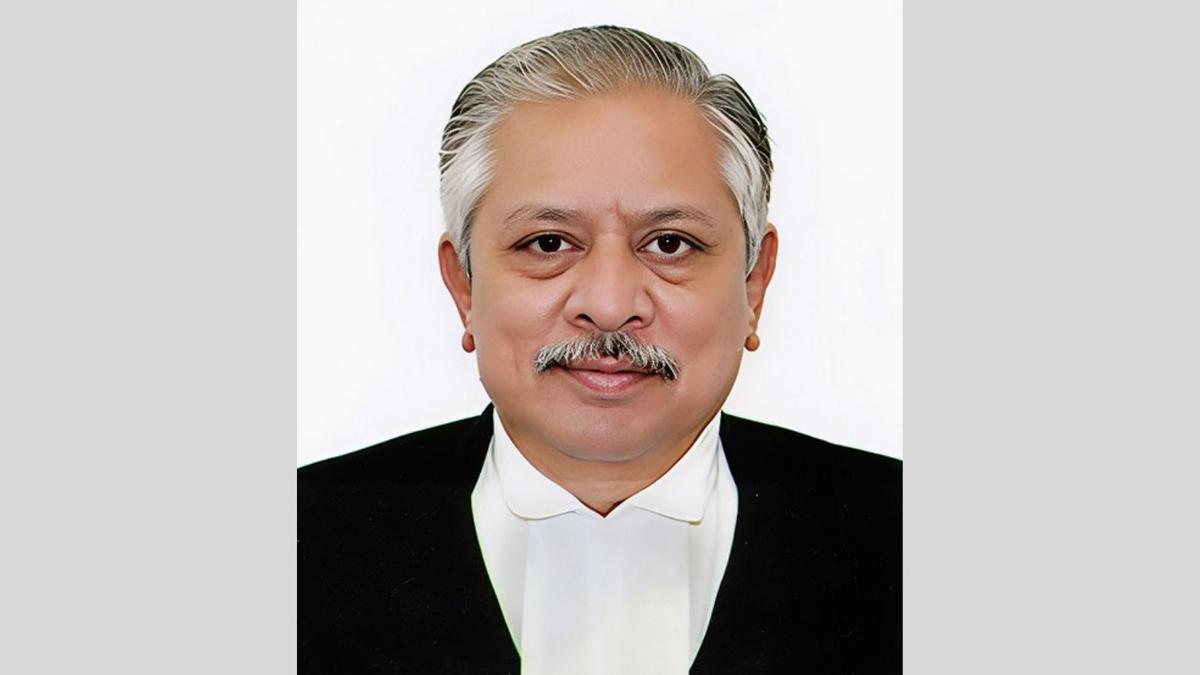
Supreme Court Justice Sandeep Mehta has written to the CJI urging the transfer of Rajasthan HC Acting Chief Justice S.P. Sharma over allegations of favoritism and integrity issues. Concurrently, the Himachal Pradesh HC has initiated contempt proceedings against a teacher for making unsubstantiated corruption allegations against a judge.
Internal Judicial Tensions: The Rajasthan High Court Controversy
In an unusual and significant development within the Indian judiciary, Supreme Court Justice Sandeep Mehta has authored three formal letters to Chief Justice of India (CJI) Surya Kant, demanding the immediate transfer of Rajasthan High Court Acting Chief Justice (ACJ) Sanjeev Prakash Sharma. Justice Mehta, who hails from the Rajasthan judiciary, has characterized the situation in his parent High Court as a "grim and disturbing scenario," citing a total lack of leadership and conduct unbecoming of a judicial leader.
Allegations of Misconduct and Favoritism
The core of the conflict rests on allegations of "clear evidence of favouritism" and "misuse of powers" attributed to ACJ Sharma. Justice Mehta’s correspondence, which was also shared with members of the Supreme Court Collegium, highlights that the concerns regarding Justice Sharma’s integrity are not merely personal grievances but represent a broader threat to the institutional reputation of the High Court. With ACJ Sharma slated to retire on September 26, the urgency expressed by Justice Mehta underscores the perceived damage being done to the judiciary's credibility during the final weeks of the ACJ's tenure.
The Role of the Collegium and Institutional Integrity
Justice Mehta’s letters serve as a pointed critique of the Collegium system’s perceived inaction. By asking why his "fervent appeals" have been "ignored," the Supreme Court judge is highlighting a potential friction point in administrative oversight. The request for the appointment of a regular Chief Justice from a different High Court suggests a belief that the current administrative vacuum or the specific leadership style of the ACJ is fundamentally incompatible with maintaining judicial standards.
Contempt and the Protection of Judicial Reputation
While the Rajasthan case focuses on internal administrative accountability, the broader theme of judicial reputation is reflected in a separate development in the Himachal Pradesh High Court. Justice Rakesh Kainthla recently paved the way for contempt proceedings against a teacher who made unsubstantiated corruption allegations against a judicial officer. This case serves as a legal counterpoint, emphasizing that while the judiciary must address internal misconduct, it simultaneously maintains a rigid stance against reckless, foundationless accusations from the public, which are deemed to "scandalise the judiciary."
Implications for Judicial Accountability
These two events, taken together, illustrate the delicate balance the Indian legal system must maintain. On one hand, there is a clear imperative for internal mechanisms to address legitimate concerns about the integrity of high-ranking judicial officers, as championed by Justice Mehta. On the other hand, there is a protective mechanism—criminal contempt—designed to insulate the institution from baseless attacks. The tension between these two realities highlights the ongoing struggle to define the boundaries of judicial accountability and the preservation of public trust in the courts.
Multiple Citing Sources
Verification Required?