'Wrong Message To Society': Kerala Court Denies Parole To Rape Convict
Source Entity
NDTV News Search Records Found 1000
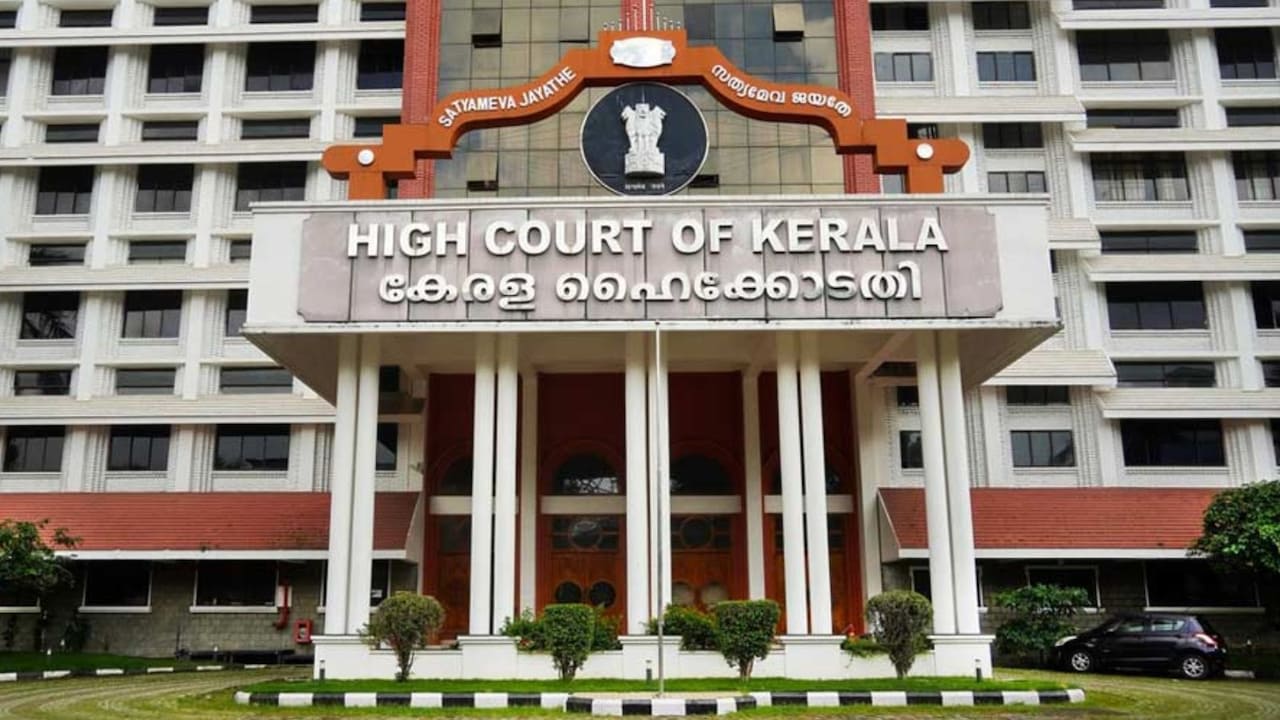
A Kerala court has denied parole to a rape convict, upholding the decision of the competent authority. The court emphasized that granting parole in such cases sends a wrong message to society.
Judicial Stance on Parole in Kerala
The recent decision by a Kerala court to deny parole to a convicted rapist marks a significant moment in the intersection of judicial discretion and public safety. By refusing to interfere with the competent authority’s initial denial of parole, the court has signaled a strict adherence to the principle that certain heinous crimes carry societal implications that supersede the individual's request for temporary release.
The 'Wrong Message' Doctrine
Central to the court's reasoning was the explicit statement that granting such a request would send a 'wrong message to society.' This reflects a growing judicial trend where courts are increasingly weighing the potential impact on public morale and victim safety against the procedural rights of the incarcerated. In the context of sexual violence, the judiciary is showing a heightened sensitivity toward the message that leniency might convey to the broader community.
Deference to Competent Authorities
Legal systems rely heavily on the assessments made by competent authorities—such as prison boards and parole committees—who have direct oversight of an inmate's behavior and potential risk to society. The court’s refusal to overturn this decision underscores a policy of judicial restraint, where judges defer to the administrative findings of experts tasked with evaluating the rehabilitation and recidivism risk of high-profile offenders.
Broader Implications for Criminal Justice
This ruling highlights the tension between the rehabilitative goals of the prison system and the punitive/deterrent objectives of the law. While parole is often viewed as a mechanism for reintegration, it is not an absolute right, particularly when the nature of the crime poses a substantial threat to public order. This case suggests that the threshold for parole in cases of sexual violence remains exceptionally high in Kerala’s legal landscape.
Historical and Future Context
Historically, Indian courts have often navigated the balance between human rights for prisoners and the protection of the public. As future legal challenges emerge, this decision will likely serve as a precedent for how courts handle parole requests for violent offenders. It reinforces the idea that the judiciary will act as a final gatekeeper to ensure that administrative decisions regarding early release are not only procedurally sound but also morally and socially defensible.
Verification Required?