How the mystery of dead animals dumped in villages led to a hidden world of illegal hunts
Source Entity
BBC News
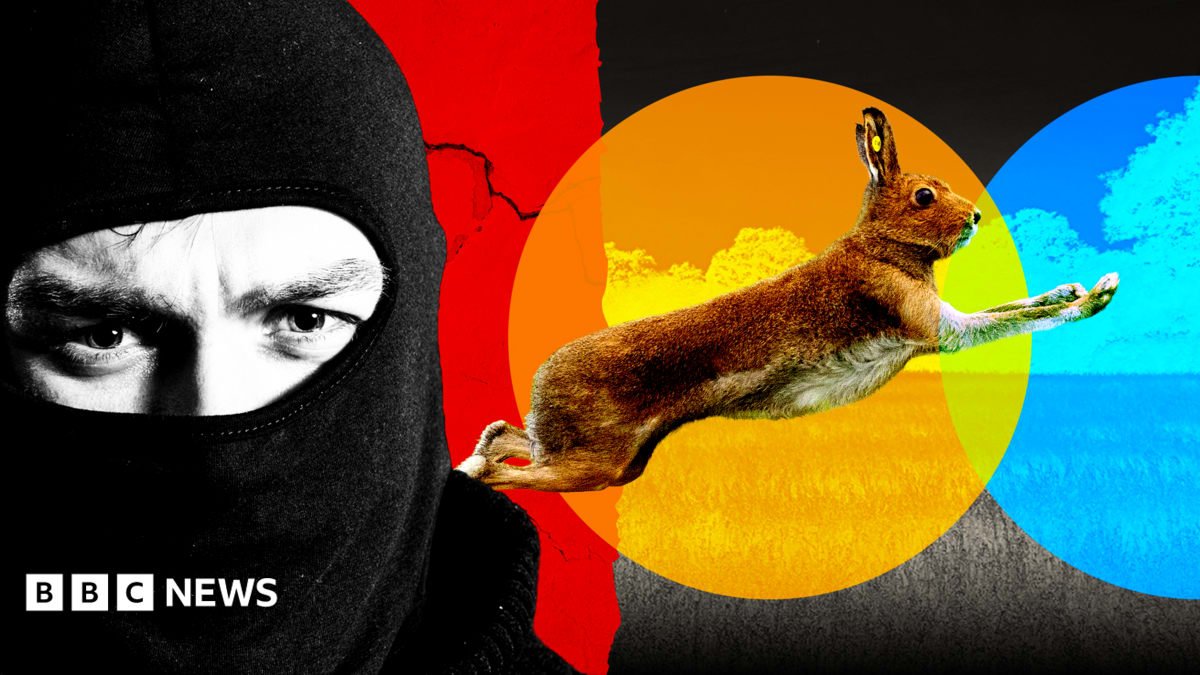
A rise in illegal hare coursing in rural areas has left farmers facing property damage and intimidation from armed, organized groups. Authorities have received nearly 9,000 reports, highlighting a growing crisis in rural security and wildlife protection.
The Escalation of Rural Crime: Investigating Illegal Hare Coursing
Recent reports have unveiled a disturbing surge in organized illegal hare coursing, a blood sport that has increasingly terrorized rural farming communities. As evidenced by the experience of Mathew Latta in Cambridgeshire, these incidents are no longer isolated acts of poaching but highly coordinated operations involving large convoys of 4x4 vehicles and dozens of participants. The sheer scale of these incursions—often involving forced entry through heavy-duty security measures like angle-ground gates—indicates a level of planning and audacity that challenges local law enforcement's capacity to respond.
The Anatomy of an Illegal Hunt
The methodology described by victims paints a picture of a paramilitary-style operation. Participants often arrive in large numbers, donning military-style fatigues and balaclavas, which serves the dual purpose of concealing identities and intimidating rural residents. When perpetrators arrive with music, cheering, and specialized hunting dogs, the intent is clearly to dominate the landscape, rendering the property owner powerless. The destruction of crops and private property is not merely collateral damage but a byproduct of the aggressive, high-speed nature of these hunts.
The Impact on Rural Livelihoods and Security
For farmers like Latta, the economic impact is significant. The physical destruction of fields and the compromise of perimeter security leave farms vulnerable and financially damaged. Beyond the monetary loss, there is a profound psychological toll; the peace of isolated rural life is shattered by the sound of loud exhausts and the presence of armed intruders. With nearly 9,000 reports of such activity, it is clear that this is a systemic issue, creating a climate of fear where farmers feel their land is no longer their own.
Challenges in Law Enforcement
The sheer volume of reports—reaching nearly 9,000—suggests that police forces are struggling to keep pace with the geographic breadth of these crimes. Because hare coursing often takes place in remote, sprawling fields, the time it takes for authorities to respond often allows the perpetrators to vanish before they can be apprehended. The use of binoculars and scouts indicates that these groups actively monitor their surroundings to avoid law enforcement intervention, highlighting the difficulty of policing vast, unmonitored rural stretches.
Broader Implications and Future Trends
The persistence of these illegal hunts raises serious questions about rural security policy. As criminal groups become more brazen, there is an urgent need for better coordination between rural communities and the police, potentially involving increased surveillance or faster response protocols. If left unchecked, the normalization of these incursions could lead to further escalation, as farmers may eventually feel compelled to take defensive measures into their own hands to protect their property and livestock.
Concluding Perspectives
In summary, the rise in illegal hare coursing is a multifaceted crisis that blends animal cruelty with organized criminal trespass. The evidence provided by recent reports highlights a desperate need for a more robust legislative and operational response. Protecting the sanctity of the countryside requires not just increased police presence, but a comprehensive strategy to dismantle the networks that facilitate these organized hunts, ensuring that rural residents are not left to face these sophisticated threats alone.