Not just welfare for elderly, Keralam needs silver economy
Source Entity
Muhammed Riyas
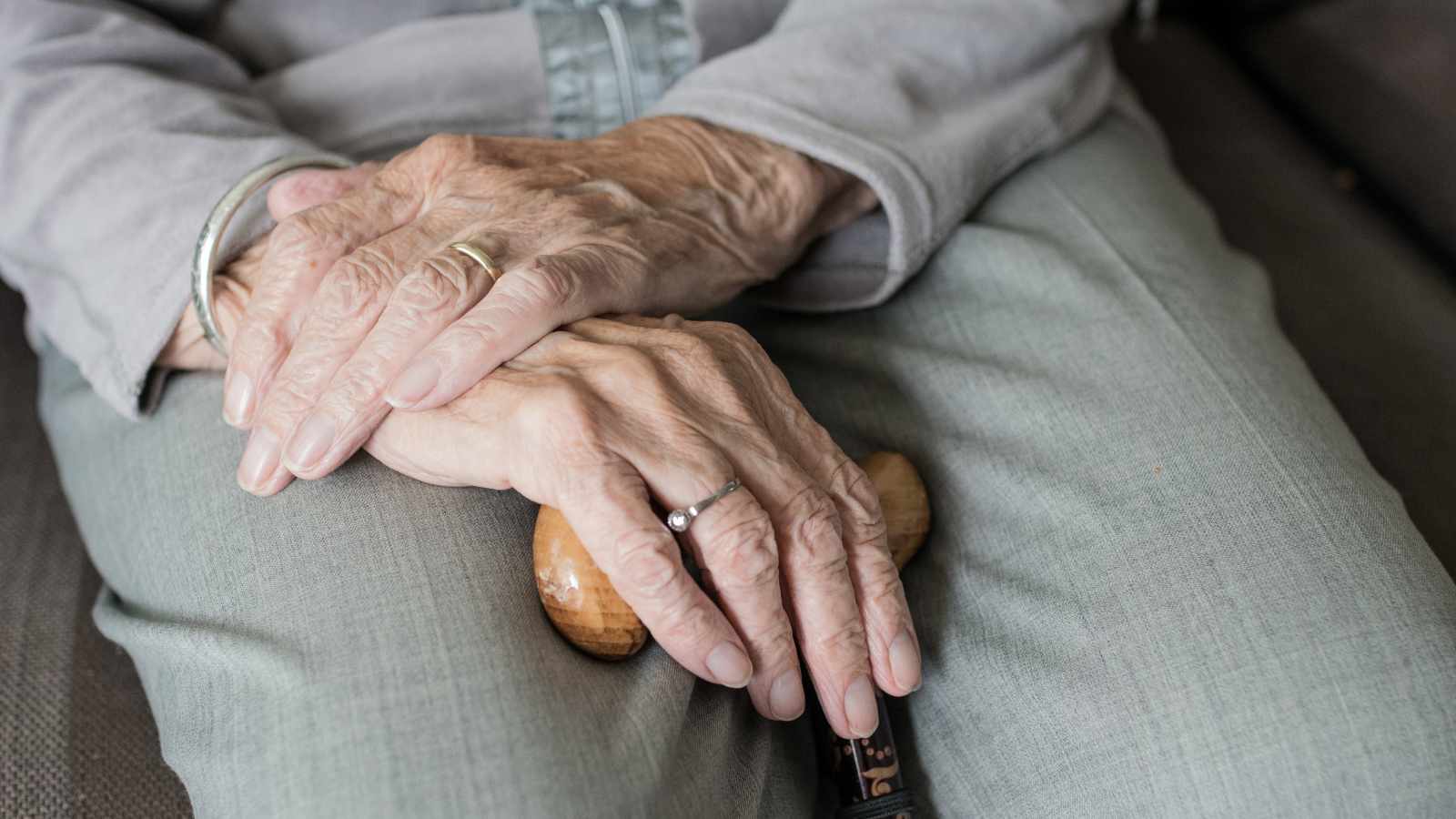
Kerala is transitioning towards a 'silver economy' as its elderly population is projected to double to 30% by 2051. The state assembly has passed the Senior Citizens’ (Care and Protection of Rights) Bill, 2026, to institutionalize care and ensure dignity for the aging demographic.
The Imperative of a Silver Economy in Kerala
Kerala is currently navigating a significant demographic shift that distinguishes it from much of the rest of India. With the proportion of citizens aged 60 and above expected to surge from 15 percent in 2021 to 30 percent by 2051, the state is facing a rapid aging process. According to the International Institute of Migration and Development, this transition is not merely a statistical curiosity but a fundamental change in the state's social fabric that necessitates a robust policy response.
Transitioning from Welfare to Empowerment
While increased life expectancy is a testament to Kerala’s successful social development and healthcare infrastructure, it brings inevitable pressures on public finances, pension systems, and elderly care services. The traditional view of elderly care as a welfare burden is becoming obsolete. Instead, the focus must shift toward a 'silver economy'—a framework that treats the elderly as active participants in the economy, ensuring their financial security while fostering environments where they can age with dignity and continued social contribution.
Legislative Action: The 2026 Bill
In a proactive move to address these looming challenges, the Kerala state Assembly unanimously passed the Keralam Senior Citizens’ (Care and Protection of Rights) Bill, 2026. This legislation represents a critical milestone in state policy, shifting the focus from ad-hoc support to a structured, rights-based approach. By mandating the regulation of care centers and formalizing the standards for caregivers, the state is attempting to professionalize a sector that has historically been informal and largely unregulated.
Protecting Vulnerable Populations
The new legislation is designed to ensure that the rapid increase in the elderly population does not lead to a degradation of quality of life. By providing a legal framework for the protection of rights, the Bill aims to safeguard senior citizens against neglect and exploitation. This is particularly vital in a state where migration patterns often leave elderly parents living alone, necessitating institutional support systems that can step in where traditional family support structures may be strained.
Future Trends and Economic Implications
The path forward for Kerala involves integrating the elderly into the broader economic discourse. A successful silver economy will require investments in geriatric healthcare, specialized housing, and technology-driven care solutions. As the state moves toward 2051, its ability to implement the 2026 Bill effectively will serve as a bellwether for other Indian states facing similar demographic trajectories. Ensuring meaningful participation for the elderly is not just a moral obligation but an economic necessity for sustainable growth in an aging society.