Cannot let pharma industry ‘run amok’ in name of free market: SC
Source Entity
AMIT ANAND CHOUDHARY
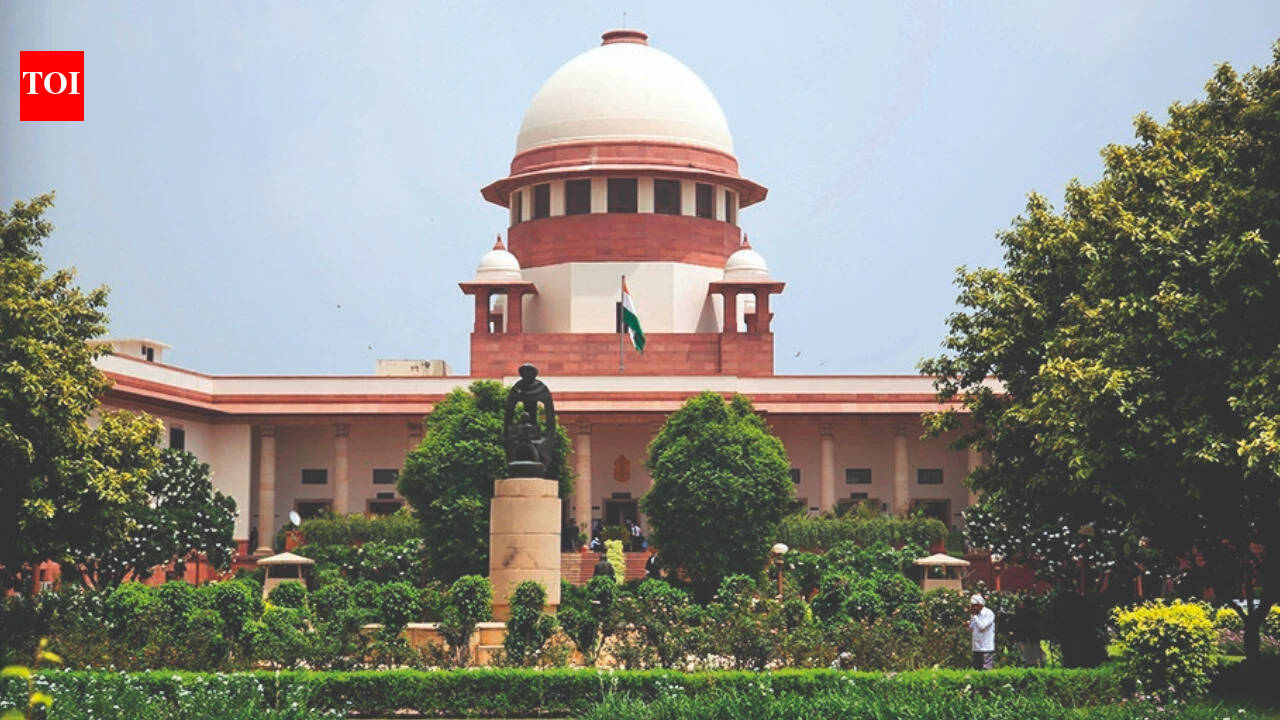
The Supreme Court of India has sharply criticized the Centre and the DCGI for allowing pharmaceutical companies to exploit pricing and maintain expired Covid-era drug approvals. The court questioned the lack of regulatory oversight over the past five years regarding the sale of drugs without proper clinical trials.
Regulatory Oversight Under Judicial Scrutiny
The Supreme Court of India has initiated a stern examination of the pharmaceutical industry’s operational practices, specifically targeting the pricing of essential medicines and the laxity of regulatory enforcement. The Court’s intervention centers on the revelation that pharmaceutical companies have been pricing certain medications at over 1,000% of their actual production cost. By asserting that the industry cannot "run amok" under the guise of free-market principles, the judiciary has signaled a shift toward prioritizing public welfare and affordability over unchecked corporate profit margins.
The Crisis of Expired Pandemic Approvals
A critical component of the Court’s dismay involves the continued manufacturing and distribution of Liposomal Amphotericin B, a vital antifungal medication, under emergency permissions that were intended only for the Covid-19 pandemic era. These authorizations have long since expired, yet the drugs continued to reach the market without undergoing the mandatory clinical trials or the rigorous regulatory scrutiny typically required for permanent approval. The Court’s inquiry into why these practices persisted for five years highlights a significant systemic failure within the Drug Controller General of India (DCGI) and the Union government.
The Accountability Gap
The Supreme Court’s direct questioning—asking if regulatory officers were "sleeping" during this five-year window—underscores a profound lack of accountability. While the government eventually initiated action against the involved companies earlier this year, this step was only taken following explicit intervention by the Supreme Court. This timeline suggests that regulatory bodies may have been hesitant or unwilling to exert their authority over the pharmaceutical sector until compelled by judicial oversight.
Implications for Public Health Policy
This development carries heavy implications for India's public health infrastructure. The reliance on temporary, pandemic-era authorizations for critical drugs poses a substantial risk to patient safety, as the absence of current clinical trials leaves the efficacy and long-term side effects of these medicines in question. Furthermore, the pricing discrepancy—markups exceeding 1,000%—demonstrates an urgent need for more robust price-capping mechanisms that prevent the exploitation of vulnerable patients in urgent need of life-saving treatments.
Moving Toward Stricter Governance
Looking ahead, this judicial intervention is likely to force a comprehensive audit of all temporary drug approvals granted during the public health crisis. The government will be under pressure to demonstrate a more proactive regulatory stance, moving away from reactive measures. This case serves as a precedent for how the judiciary may continue to scrutinize the nexus between pharmaceutical profitability and the state's duty to ensure safe, affordable healthcare for its citizens, potentially leading to stricter legislative reforms in the drug regulatory framework.