No planes, no problem: India's 'no 1 airport' Khajuraho has zero flights
Source Entity
RAMENDRA SINGH
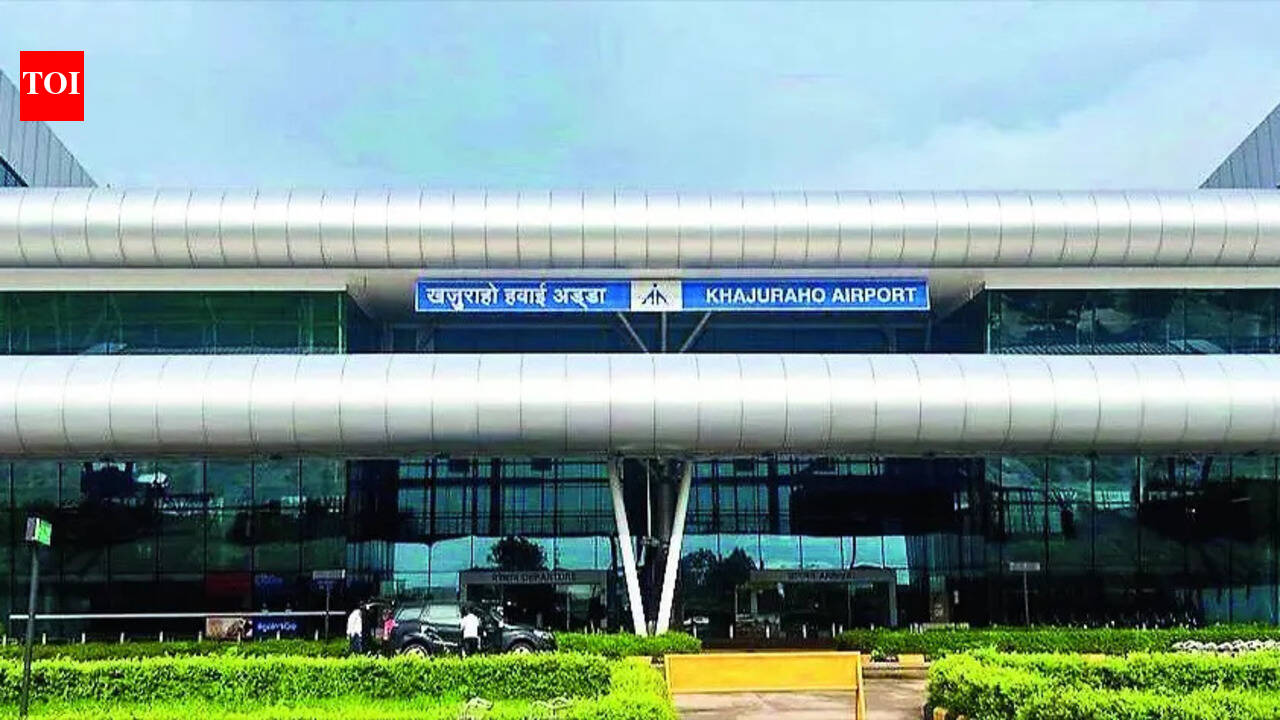
Khajuraho Airport has been ranked India's top airport for customer satisfaction despite having zero commercial flights. The facility currently faces a temporary suspension of services, with operations expected to resume in October.
The Khajuraho Paradox: Excellence Without Operations
In a development that has captured the attention of the aviation sector, Khajuraho Airport has achieved the top position in the Airports Authority of India's (AAI) Customer Satisfaction Index (CSI). This accolade is particularly striking given that the facility is currently experiencing a complete absence of commercial flight operations throughout July and August. The juxtaposition of high-ranking service quality against a total lack of air traffic highlights a unique anomaly in infrastructure management and performance assessment.
Analyzing the AAI Evaluation Criteria
The ranking has ignited a broader debate regarding the methodology utilized by the AAI to determine customer satisfaction. Critics and industry analysts are questioning how an airport can be evaluated as the 'number one' facility when it does not currently serve passengers in a functional capacity. This situation suggests that the AAI's CSI metrics may prioritize static indicators—such as facility maintenance, cleanliness, and staff conduct—over operational throughput and passenger volume, leading to a disconnect between perceived quality and real-world utility.
Infrastructure Amidst a Service Vacuum
Despite the absence of flights to Delhi and Varanasi, the airport has received commendations for its physical infrastructure and staff professionalism. By focusing on high standards of upkeep and service readiness even during dormant periods, the airport management has effectively maintained a positive passenger experience for the limited footfall or visitors who encounter the facility. This reflects a commitment to operational readiness, ensuring that the airport remains a pristine gateway for when commercial traffic inevitably returns.
Historical Context and Future Trends
Historically, Khajuraho Airport has operated with a very limited schedule, previously managing only two flights connecting to major tourism hubs like Delhi and Varanasi. The current suspension is a temporary operational hurdle, with the Airport Director confirming that services are slated to resume in October. This cyclical nature of operations is common in regional airports that depend heavily on seasonal tourism trends, where demand fluctuates significantly throughout the year.
Broader Implications for Regional Aviation
The case of Khajuraho serves as a case study for India's regional aviation policy. While the goal of the UDAN scheme and similar initiatives is to boost connectivity, maintaining high-quality infrastructure at lower-traffic airports remains a logistical challenge. The fact that Khajuraho has maintained top-tier status during a downtime period suggests that the AAI's focus on 'soft' infrastructure—cleanliness and staff behavior—is succeeding, even if 'hard' infrastructure metrics like flight frequency remain inconsistent. As the sector matures, the challenge will be to balance this high standard of facility management with consistent, year-round connectivity.