LGBTQ+ Community Should Not Be Isolated From Society: Mohan Bhagwat
Source Entity
NDTV News Search Records Found 1000
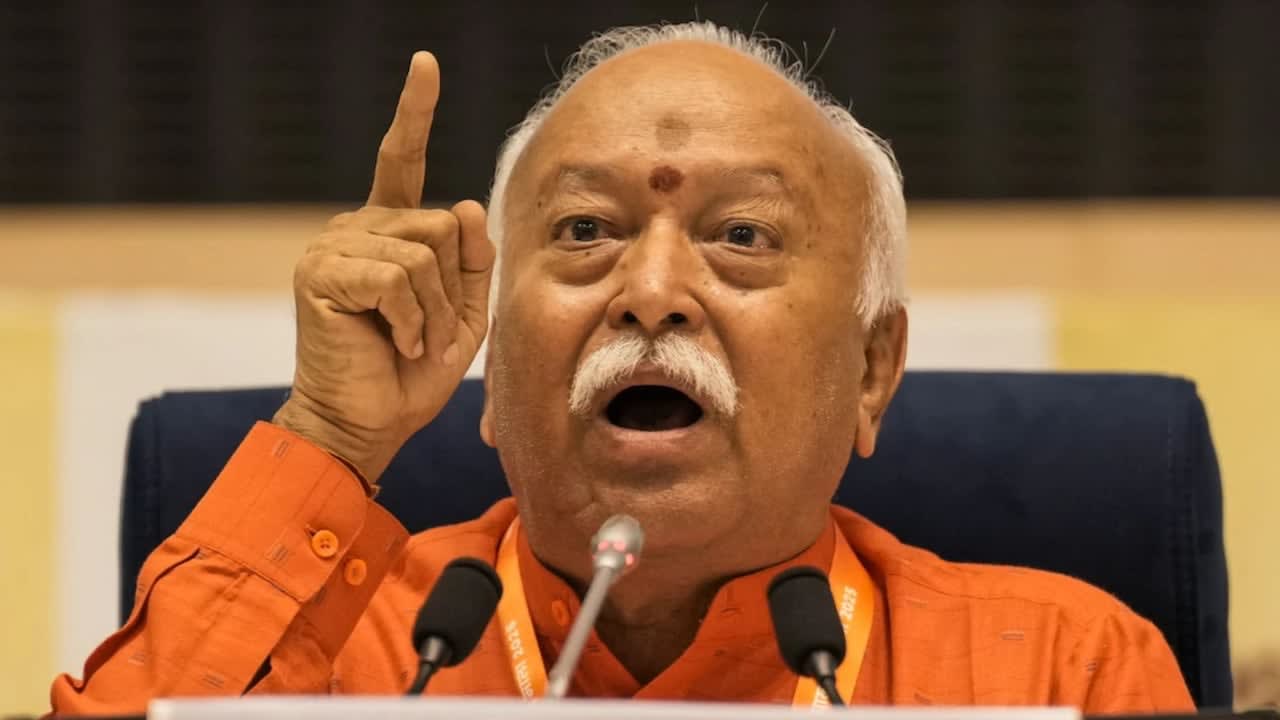
RSS Chief Mohan Bhagwat has publicly advocated for the inclusion and dignity of the LGBTQ+ community within Indian society. He emphasized that these individuals are an integral part of the social fabric and should not be isolated.
A Shift in Perspective: Mohan Bhagwat on LGBTQ+ Inclusion
In a notable development regarding social discourse in India, Rashtriya Swayamsevak Sangh (RSS) Chief Mohan Bhagwat has publicly stated that the LGBTQ+ community should not be isolated from mainstream society. By asserting that individuals within this community have always been an intrinsic part of the Indian social fabric, Bhagwat has signaled a recognition of their presence and their right to exist with dignity. This statement marks a significant moment in the ongoing conversation regarding identity and social integration in India.
The Historical Context of Social Integration
Historically, Indian society has often maintained traditional views on gender and sexuality, sometimes leading to the marginalization of those who do not conform to heteronormative standards. Bhagwat’s acknowledgment that LGBTQ+ individuals deserve their own space is a departure from historical exclusion. By framing the community as an inseparable part of society, the discourse shifts from one of 'othering' to one of coexistence, acknowledging that these individuals have lived alongside the broader population for generations.
Dignity as a Foundational Right
At the core of the RSS Chief’s message is the concept of 'dignity.' In a democratic framework, the right to dignity is paramount, regardless of sexual orientation or gender identity. Bhagwat’s emphasis suggests that the societal obligation is to ensure that all citizens, including the LGBTQ+ community, are afforded the respect and social acceptance necessary to lead lives free from discrimination. This recognition is a critical step in fostering a more inclusive environment where individuals are not forced into the shadows.
Broader Implications for Social Cohesion
The implications of such a statement are far-reaching. When influential public figures advocate for the inclusion of minority groups, it can influence public opinion and reduce the stigma associated with non-traditional identities. By rejecting the isolation of the LGBTQ+ community, the rhetoric promotes a vision of a unified society where diversity is acknowledged rather than suppressed. This could potentially pave the way for more nuanced discussions about rights, legal protections, and social acceptance in the coming years.
Future Trends and Societal Evolution
Looking forward, this development suggests a potential evolution in how traditional organizations engage with modern concepts of human rights and identity. As India continues to urbanize and modernize, the dialogue surrounding gender and sexuality is becoming increasingly prominent. If this sentiment of inclusion is adopted at a grassroots level, it could lead to a significant reduction in social friction, creating a more cohesive national narrative that respects individual identity while maintaining the broader social structure.
Conclusion
In summary, Mohan Bhagwat’s call for the dignity and inclusion of the LGBTQ+ community represents an important acknowledgment of their role in Indian society. By rejecting isolation and advocating for a rightful space for these individuals, the discourse moves toward a more compassionate and inclusive understanding of citizenship. While the practical implementation of these ideas remains to be seen, the public articulation of this stance is a meaningful contribution to the ongoing evolution of Indian social values.
Verification Required?